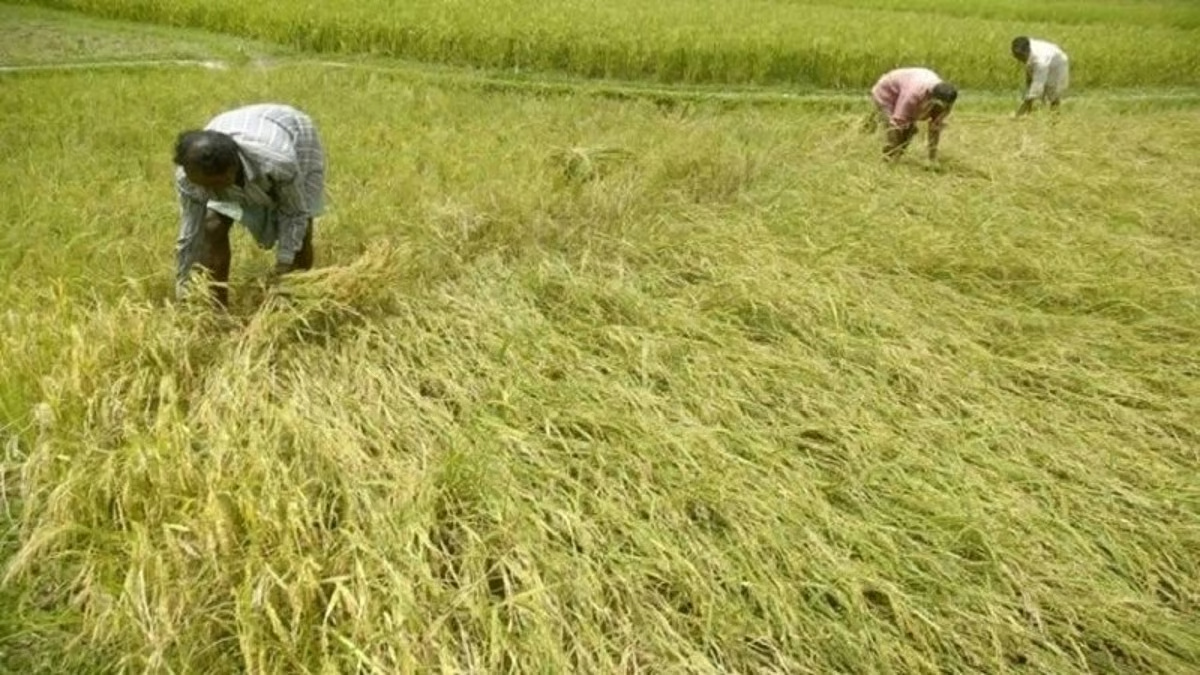
Farmers across parts of Palghar and Thane districts have begun receiving compensation linked to the construction of a high-capacity power transmission corridor, marking a critical step in balancing energy infrastructure expansion with rural livelihoods. The payments relate to land use permissions and agricultural losses arising from tower installations supporting a major electricity transmission project in northern Maharashtra.
Officials familiar with the process said compensation exceeding ₹4.5 crore has already been released to affected landholders across multiple talukas, including Bhiwandi, Wada, Jawhar and Vikramgad. The payouts are tied to the granting of Right of Use permissions, which allow transmission towers to be erected without permanent land acquisition, enabling continued agricultural activity beneath overhead lines. The compensation framework was finalised following consultations between state revenue authorities and district administrations. Rates were determined based on local land valuations and land-use patterns, ensuring region-specific assessment rather than uniform pricing. Officials said this approach aims to reduce long-standing conflicts between infrastructure agencies and farming communities by recognising economic disparities between talukas.
A significant share of the initial disbursement has gone to farmers in Wada taluka, where multiple tower alignments pass through cultivated land. Authorities clarified that the compensation structure includes staged payments, with a further tranche scheduled after tower erection and associated works are completed. This phased model is intended to address both immediate crop losses and longer-term land-use disruption. Of the total amount released so far, nearly half has been allocated for damage to standing crops and trees, while the remainder covers land-related compensation. Crop and tree assessments were conducted through joint inspections involving officials from revenue, horticulture and forest departments to ensure consistency with government norms. Compensation levels vary depending on crop type, seasonal impact and the extent of physical disturbance during construction.
Energy sector analysts note that such compensation mechanisms are increasingly central to India’s grid expansion strategy, particularly as renewable energy integration accelerates. Transmission corridors play a vital role in evacuating power from generation hubs to consumption centres, but their success depends on minimising social and economic disruption along their routes. Urban and regional planners point out that fair compensation and transparent processes help reduce project delays, litigation and community resistance, which often inflate infrastructure costs. By aligning land-use rights with livelihood protection, transmission projects can progress without undermining rural economic stability.
Officials indicated that compensation disbursement will continue in phases as construction advances across remaining stretches. As Maharashtra expands its electricity backbone to support industrial growth, urban demand and clean energy targets, the challenge will lie in maintaining this balance between infrastructure urgency and equitable development outcomes for rural communities.
Maharashtra Transmission Project Releases Farmer Compensation