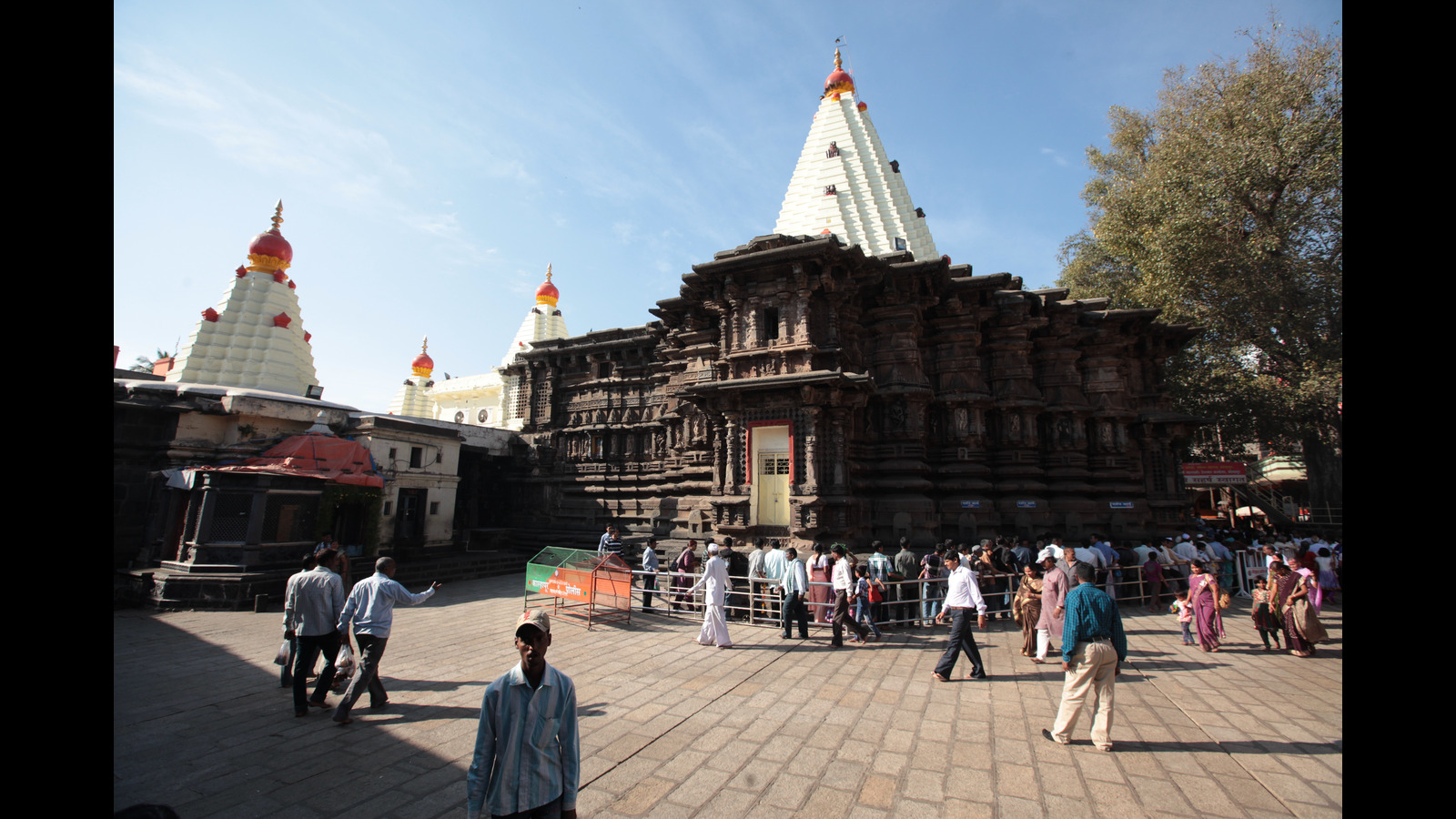
The Maharashtra government has initiated a comprehensive conservation plan targeting 500 temples, 60 state-protected forts, and 1,800 historic stepwells across the state. Spearheaded by the state archaeology department in collaboration with the Maharashtra Institution for Transformation (MITRA), the initiative aims to preserve heritage sites while boosting sustainable tourism and ensuring structured restoration across urban and rural landscapes.
The cultural affairs department has been tasked with drafting a strategic framework that will emphasise preservation, restoration, and tourism accessibility. The archaeology department will function as the nodal agency, overseeing expert assessments, project implementation, and long-term maintenance. Officials confirmed that the project will also integrate non-protected forts and state-protected monuments to provide a holistic conservation approach. This initiative complements a previously announced ₹5,000-crore project focused on restoring and developing seven major religious sites, including prominent temples in Kolhapur, Nashik, Nanded, and Dharashiv. The effort underlines a broader governmental vision of combining heritage preservation with infrastructure and tourism development, providing cultural and economic benefits to local communities.
“The state’s forts, temples, and stepwells are integral to Maharashtra’s historical identity,” said an official from the cultural affairs department. “We aim to establish a structured, time-bound approach that incorporates modern conservation methods, stakeholder engagement, and sustainable tourism strategies.” The government is exploring public-private partnerships (PPP) to ensure timely execution and quality control. “Adequate funding will be provided, but private participation is encouraged where it can enhance expertise and efficiency,” explained a senior archaeology official. A dedicated Project Implementation Unit (PIU) will be set up by mid-December to coordinate restoration, manage technical teams, and monitor progress.
Experts from architecture, archaeology, history, and heritage management fields will be engaged to maintain rigorous standards throughout the project. The plan will emphasise eco-sensitive development and low-impact tourism, aligning with the state’s larger goal of sustainable, gender-neutral, and inclusive urban and rural heritage development. This conservation drive reflects Maharashtra’s growing commitment to protecting its heritage amid rapid urbanisation. By preserving historical sites while facilitating responsible tourism, the state hopes to foster local economic growth and strengthen cultural identity. The initiative also includes a web portal for transparency, enabling the public to track restoration and conservation efforts across the state.
Through these measures, Maharashtra is positioning itself as a leader in heritage-driven sustainable development, ensuring that the state’s historic sites are not only preserved for future generations but also leveraged to support education, tourism, and equitable urban and rural growth.
Maharashtra to Draft Plan for 500 Temples 60 Forts 1800 Stepwells