


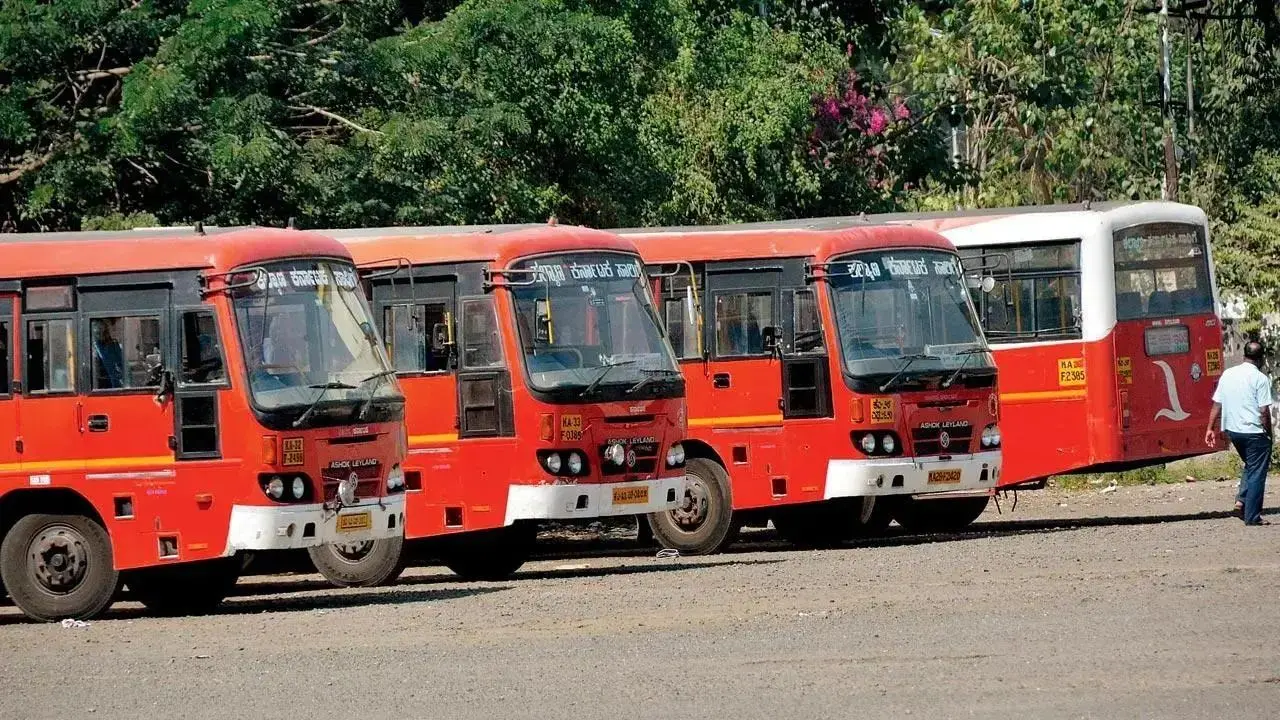
As the festive travel season approaches, the Maharashtra State Road Transport Corporation (MSRTC) has announced a temporary 10 per cent fare hike across most of its bus services, excluding the premium air-conditioned Shivneri and Shivai routes. The revised fares will come into effect from midnight on October 14 and remain in place until November 5, aimed at managing increased operational costs and heightened commuter demand during the Diwali period.
Officials clarified that passengers with advance bookings will be required to pay the fare difference at boarding. The exemption for Shivneri buses, primarily operating between Mumbai and Pune, and Shivai services on key intercity routes, ensures that essential business and long-distance travellers maintain consistent costs during the festive rush. The decision reflects the transport body’s attempt to balance operational sustainability with commuter convenience. MSRTC officials emphasised that the hike is temporary and fares will revert to normal levels from November 6, after the festive period. Experts in urban mobility note that such adjustments are necessary to ensure that state-run transport systems remain financially viable during peak travel periods while supporting increased passenger volumes.
In a parallel move aimed at environmental responsibility, the Maharashtra Transport Ministry has announced the strict enforcement of the ‘No PUC, No Fuel’ rule. Vehicles without a valid Pollution Under Control (PUC) certificate will be denied fuel across the state, a step designed to curb vehicular emissions and promote cleaner urban air quality. Transport authorities have stated that the implementation will be backed by digital verification systems at petrol stations. Each PUC certificate will carry a Unique Identity (UID), allowing automatic checks via CCTV and digital scanning. In cases of invalid certificates, fuel supply will be denied, and the certificate will be cancelled on the spot. Officials assert that this measure is crucial for long-term environmental management and aligns with broader goals of sustainable urban transport. “The policy ensures that motorists and transport operators take environmental compliance seriously, creating healthier urban conditions for future generations,” said senior transport officials. Experts highlight that integrating fiscal and regulatory measures, such as fare adjustments combined with emission checks, is increasingly vital in rapidly urbanising states like Maharashtra.
The dual initiatives—temporary fare revision and stringent PUC enforcement—illustrate the state’s approach to balancing commuter convenience, operational efficiency, and sustainable urban transport. Analysts expect that these measures will also indirectly encourage cleaner mobility choices, supporting broader climate-friendly policies in the metropolitan region. With Diwali travel expected to peak in mid-October, the combined effect of regulated fares and strict emission norms could reshape commuter behaviour, reducing congestion on major intercity routes while improving air quality. As Maharashtra strengthens enforcement mechanisms and monitors public response, the initiatives may serve as a model for other states seeking to integrate transport efficiency with sustainable urban development.
Also Read: Navi Mumbai Airport Gets DGCA Licence Ahead Of October Operations Launch
