Maharashtra SRA Tightens Rules To Secure Rehab Dues
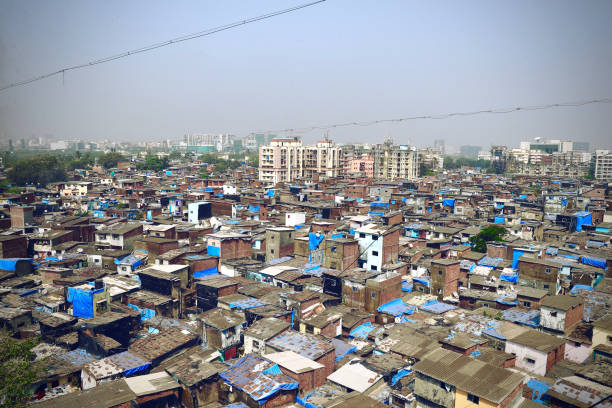
The Slum Rehabilitation Authority (SRA) in Maharashtra has introduced a set of stricter regulatory controls aimed at safeguarding critical obligations in slum redevelopment projects by mandating the early freezing of free‑sale flats until rehabilitation dues are fully met. The norm, issued in line with existing judicial and administrative priorities, reflects a recalibration of real‑estate policy that seeks to strengthen accountability among developers and protect the rights of slum dwellers in one of India’s largest urban markets.
Under the updated framework, developers must identify and designate specific units within a project as frozen inventory— typically lower‑floor sale flats — at the approval stage itself, such as when an Intimation of Approval (IOA) or Letter of Intent (LOI) is granted. These units are then ring‑fenced to secure financial obligations including transit rent and permanent alternate accommodation (PAP) commitments for eligible slum residents. Crucially, frozen flats cannot be sold, mortgaged, transferred or encumbered until all rehabilitation milestones are achieved and dues cleared. Urban policy experts view this move as a significant step in embedding social safeguards into land use and financing frameworks. Slum rehabilitation projects often hinge on a delicate balance between the “free sale” component — saleable units that subsidise the cost of rehabilitating eligible dwellers — and the delivery of statutory obligations. By locking a portion of saleable inventory until PAP and transit rent liabilities are fully discharged, the SRA aims to reduce risks that eligible beneficiaries are left uncompensated or displaced due to project defaults or liquidity shortfalls.
Developers will now be required to submit formal undertakings alongside approved building plans and ensure clear listing of frozen flats — including flat numbers, floor level and area — in official documentation. These details will also be notified to the Inspector General of Registration and the Maharashtra Real Estate Regulatory Authority (MahaRERA), ensuring that frozen units are neither marketed nor booked as part of the free‑sale inventory. De‑freezing of such units will only be permitted after comprehensive compliance, including completion of rehabilitation work and clearances from the SRA. Financial analysts and lenders are already assessing the implications. With a defined proportion of inventory unavailable for early sale, risk quantification and funding structures for SRA projects could shift. Lenders may revisit loan‑to‑value calculations, seek higher promoter equity, or tie disbursements more closely to rehabilitation progress rather than construction milestones alone. Project cash‑flow models will likely face enhanced scrutiny, signalling a more measured approach to financing these developments.
City planners argue that the revision brings slum rehabilitation closer to equitable urban development principles, by reducing the likelihood of project abandonment and ensuring that vulnerable populations gain secure housing outcomes. However, they also caution that the change must be complemented by clear enforcement mechanisms and capacity‑building among smaller developers to prevent unintended slowdowns in project progression.
The SRA’s policy shift aligns with broader efforts to strengthen governance in urban land markets and social housing programs, offering a potential template for integrating social accountability into property development policy nationwide. As the norm is operationalised, its impact on housing supply, project financing and rehabilitated communities will be closely watched by regulators, investors and urban advocates alike.