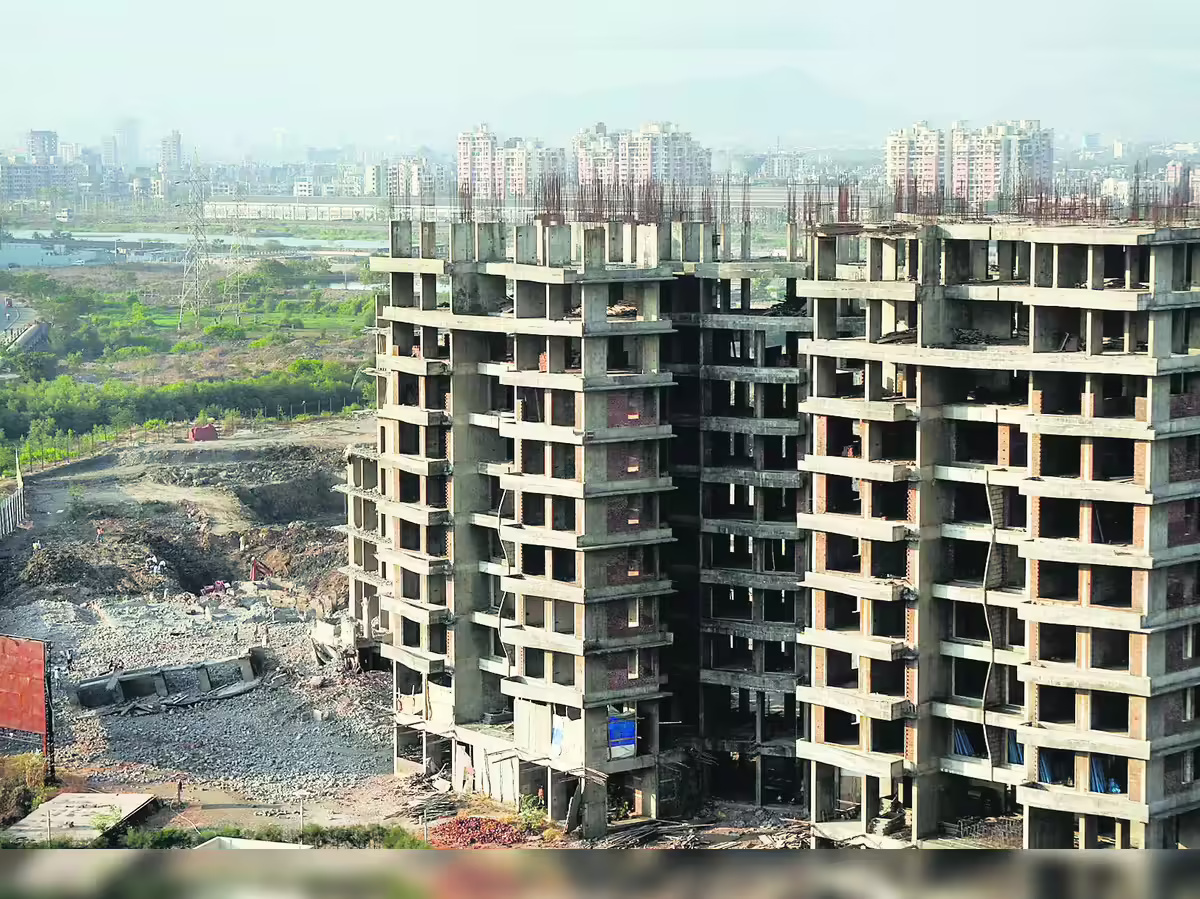
Maharashtra has moved to widen its infrastructure financing base by opening formal channels with a Canadian public financing institution for housing and large urban development projects across the state. The engagement signals a strategic shift towards diversified, long-term capital for infrastructure at a time when cities are under pressure to deliver affordable housing, transport networks, and climate-resilient public assets at scale.
The discussions, held at the state’s administrative headquarters, focused on structuring financial and technical cooperation for select housing and infrastructure projects currently at various stages of planning and execution. Senior state officials said the collaboration is intended to strengthen delivery capacity while reducing financial risks that often delay complex urban projects. Officials involved in the talks indicated that the partnership would initially focus on two pilot projects linked to housing and metropolitan infrastructure. These are expected to be drawn from large programmes implemented by state housing authorities and regional development agencies responsible for transport corridors, transit-oriented development, and urban renewal. If successful, the framework could be extended to additional projects across the Mumbai Metropolitan Region and other fast-growing urban centres.
From an urban governance perspective, Maharashtra infrastructure investment has increasingly relied on innovative funding models as traditional budgetary allocations struggle to keep pace with demand. Industry experts note that access to overseas institutional capital—particularly funding denominated in Indian rupees—can significantly lower currency risk and reduce the need for costly hedging mechanisms. This is especially relevant for long-gestation assets such as metro systems, mass housing, and arterial road networks. According to officials familiar with the proposal, the Canadian side has offered a structured financing ecosystem combining assured funding, long-term repayment tenures, and risk-mitigation instruments such as insurance-backed guarantees. A secure digital interface is also planned to align overseas capital providers with state systems, enabling transparency, monitoring, and faster decision-making.
Beyond financing, the cooperation includes technical inputs in project design, procurement, and execution. Urban planners say such knowledge-sharing can improve project efficiency, life-cycle costs, and sustainability outcomes—particularly for housing and transport infrastructure that must withstand climate stress, rising energy demand, and rapid population growth. For citizens, the implications could be significant. Housing projects supported through stable financing are more likely to meet delivery timelines, while metropolitan infrastructure with predictable funding can prioritise pedestrian access, safety, and integration with public transport. Analysts also point out that a stronger pipeline of well-funded projects can unlock employment across construction, engineering, and allied services.
As Maharashtra infrastructure investment continues to scale, the challenge will lie in ensuring that global capital aligns with local priorities—affordable housing, inclusive mobility, and low-carbon urban growth. The next phase will depend on how effectively pilot projects translate financial cooperation into on-ground outcomes that improve everyday urban life.
Maharashtra Secures Canadian Support for Housing and Urban Projects