


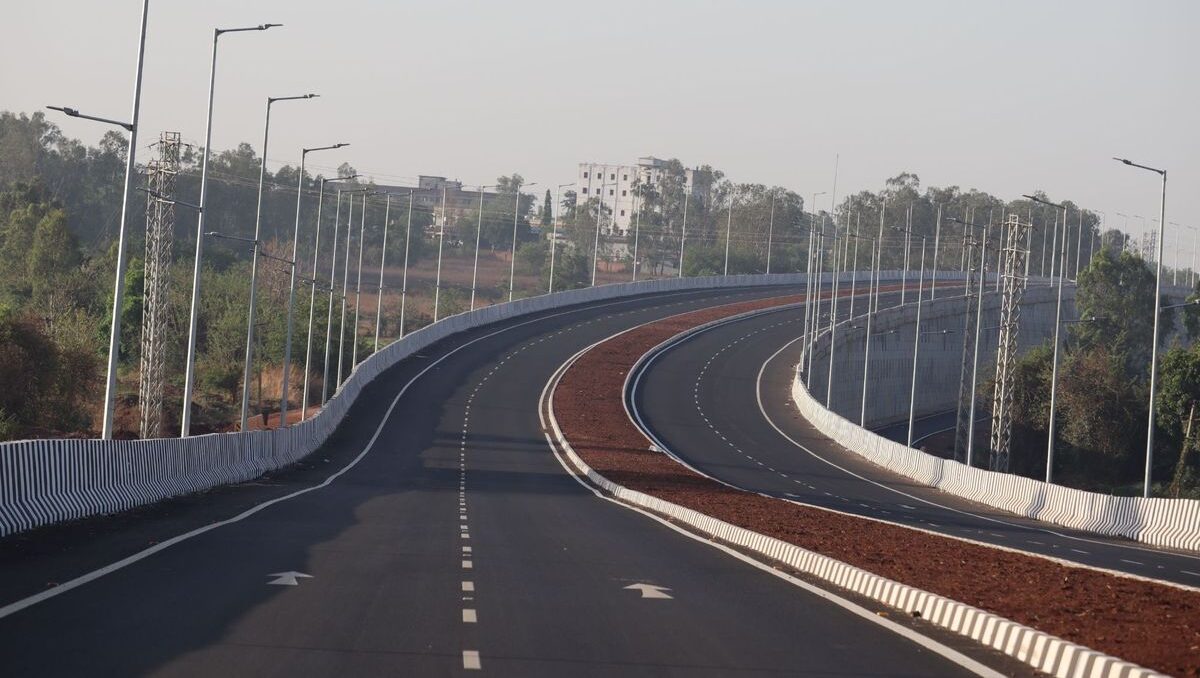
Maharashtra accelerates the construction of expansive ring road networks aimed at decongesting cities and boosting regional logistics, a growing section of society is being left behind—daily wage earners, gig workers, and low-income commuters who depend on affordable and reliable public transport.
In a state-backed infrastructure push, a ₹15,000 crore project is currently underway to develop a vast ring road corridor that connects regions across Maharashtra and neighbouring Karnataka, bypassing Goa to ease freight movement on national highways. Simultaneously, urban centres such as Pune are planning extensive circular routes with expectations of unlocking new economic zones, improving vehicular movement, and boosting land values.
On paper, these ring roads signal progress—wider roads, smoother commutes, and better connectivity. But in practice, they often marginalise those who need inclusive mobility the most. While private vehicle owners and logistics firms stand to gain from reduced travel times and improved cargo movement, the majority of the urban population, especially those in precarious employment or on the economic margins, remain underserved.Experts have long warned that major road projects like these often operate in silos—designed and executed with limited integration into broader urban mobility systems. Public buses, non-motorised transport, and last-mile connectivity remain afterthoughts in an infrastructure blueprint geared more toward industrial transport than citizen convenience.
The case of Pune illustrates this duality. The city’s proposed ring road is anticipated to open up 29 new growth centres around its periphery, potentially attracting investments in real estate, warehousing, and logistics. However, without accompanying investments in mass public transit and affordable housing, these developments could lead to gentrification and displacement. For many residents, especially those in informal settlements near proposed road corridors, the only visible outcome so far is uncertainty—of land loss, relocation, and exclusion.This is not just a Maharashtra issue. Across India, in states such as Uttar Pradesh and Andhra Pradesh, similar patterns are emerging. The Guntur Inner Ring Road project, for instance, resumed after years of delay, only after large-scale evictions of lower-income households were carried out under contentious compensation terms. Often, such forced relocations take place without adequate rehabilitation, leaving vulnerable families with few alternatives.
Infrastructure alone is not inherently unequal—but how it is planned and who it serves determines whether it fosters inclusion or exacerbates inequality. In Maharashtra’s case, the focus on high-speed mobility corridors prioritises economic growth while glossing over social equity. Ring roads may decongest cities, but they also tend to fragment communities and deepen mobility divides when not paired with inclusive urban policies.Urban planners argue that ring roads could play a transformative role if tied to comprehensive public transport systems. Integrated transit networks, pedestrian-friendly pathways, and mixed-use development can convert such corridors into lifelines of equity and sustainability. Yet, the current model continues to emphasise speed, logistics, and land monetisation—far removed from the everyday mobility needs of millions.
For the working poor—the delivery agent, the construction labourer, the domestic worker—these ring roads are less a pathway to opportunity and more a symbol of displacement. They live closest to the dust and disruption of construction, yet furthest from the benefits of finished infrastructure.
If Maharashtra is to build cities that are sustainable, inclusive, and people-centric, it must start by designing infrastructure with human needs at the core. Without a shift in planning priorities, the promise of ring roads will remain lopsided—cementing inequality as they carve through urban landscapes in the name of progress.
Also Read : Heavy Rains Cause Major Traffic Jams at Navale Bridge in Pune
