


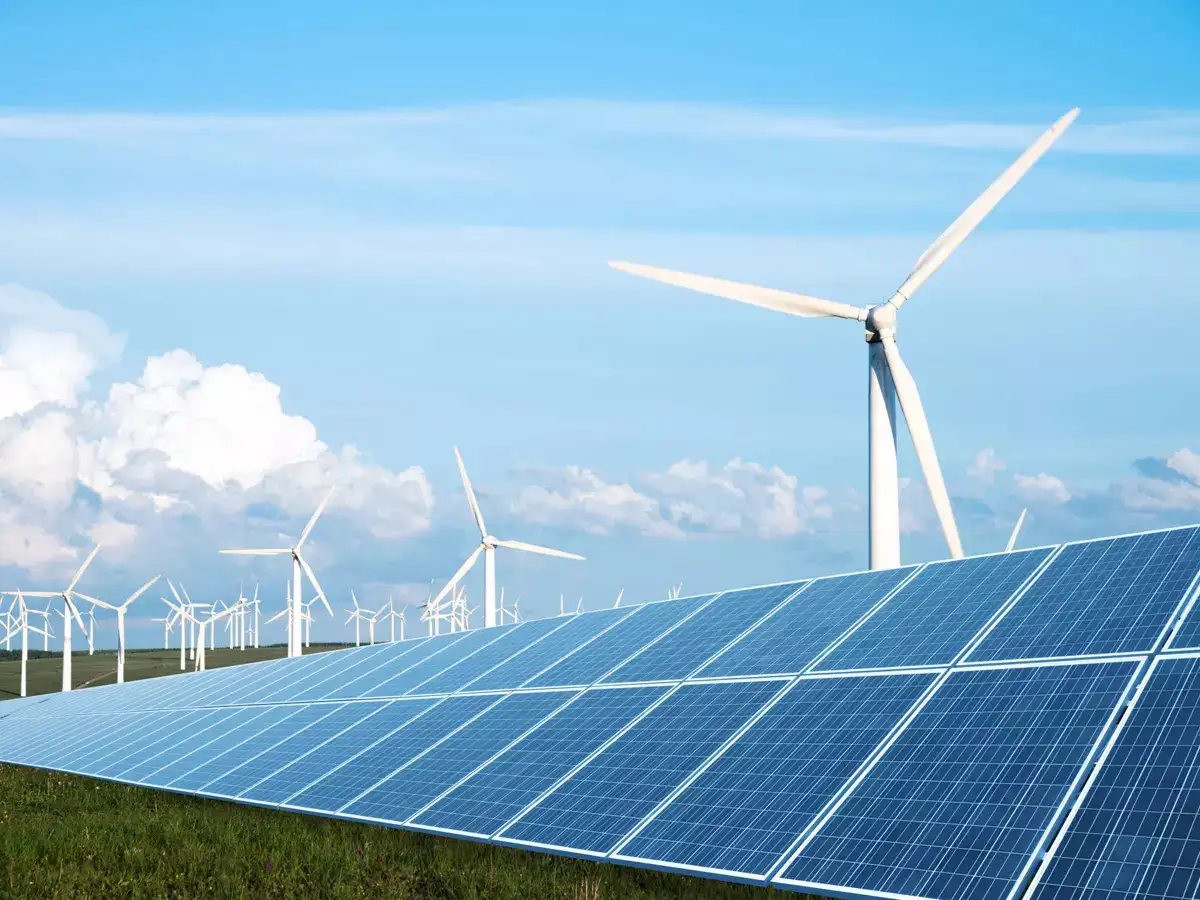
Recent changes to Maharashtra’s renewable energy framework are being positioned as a step towards easing regulatory constraints and accelerating clean energy deployment, with industry stakeholders calling for stronger incentives to support energy storage and improve implementation mechanisms. The developments signal a maturing policy environment as the state attempts to balance rapid renewable expansion with grid reliability and investor confidence. The updated policy approach is aimed at simplifying approvals and reducing procedural delays that have historically slowed project execution. By addressing these bottlenecks, authorities are seeking to attract greater private investment into renewable energy projects, particularly in solar and wind segments that form the backbone of the state’s decarbonisation strategy.
However, industry observers point out that regulatory streamlining alone may not be sufficient to ensure long-term success. One of the key concerns being raised is the need for targeted incentives for energy storage systems, which are critical for managing the intermittency of renewable sources. Without adequate storage capacity, integrating higher shares of renewable energy into the grid can create operational challenges and affect supply stability. The Maharashtra renewable policy is increasingly being viewed through the lens of system integration rather than just capacity addition. As renewable penetration rises, the focus is shifting towards ensuring that power generation, storage, and distribution systems function cohesively. This requires coordinated planning and investment across multiple segments of the energy ecosystem. Urban planners and energy experts note that cities stand to benefit significantly from a well-designed renewable energy framework. Cleaner power can contribute to improved air quality, reduced emissions, and more sustainable urban growth. However, the transition must be managed carefully to ensure that costs are distributed equitably and do not disproportionately affect consumers. Another aspect under discussion is the role of industry participation in policy implementation. Stakeholders are advocating for greater representation in decision-making processes, arguing that closer collaboration between government and industry can help identify practical challenges and improve execution efficiency. From an economic perspective, a more predictable and transparent policy environment can enhance investor confidence, leading to increased capital inflows and job creation in the renewable sector. This is particularly relevant as India seeks to scale up its clean energy capacity while maintaining competitiveness. At the same time, experts caution that policy effectiveness will ultimately depend on execution. Clear guidelines, timely approvals, and robust monitoring mechanisms are essential to translate policy intent into tangible outcomes.
The evolving Maharashtra renewable policy reflects the complexities of transitioning to a low-carbon energy system. As the state refines its approach, integrating storage solutions and strengthening institutional frameworks will be key to ensuring that renewable energy growth is both sustainable and reliable. Looking ahead, the focus is likely to remain on aligning regulatory reforms with technological advancements and market needs. The success of these efforts could shape how other states approach the next phase of India’s energy transition, particularly in balancing innovation with stability and inclusivity.
ALSO READ – Nagpur Hospitality Sector Hit By LPG Cost Surge
Maharashtra Renewable Policy Reforms Aim To Unlock Clean Investment
