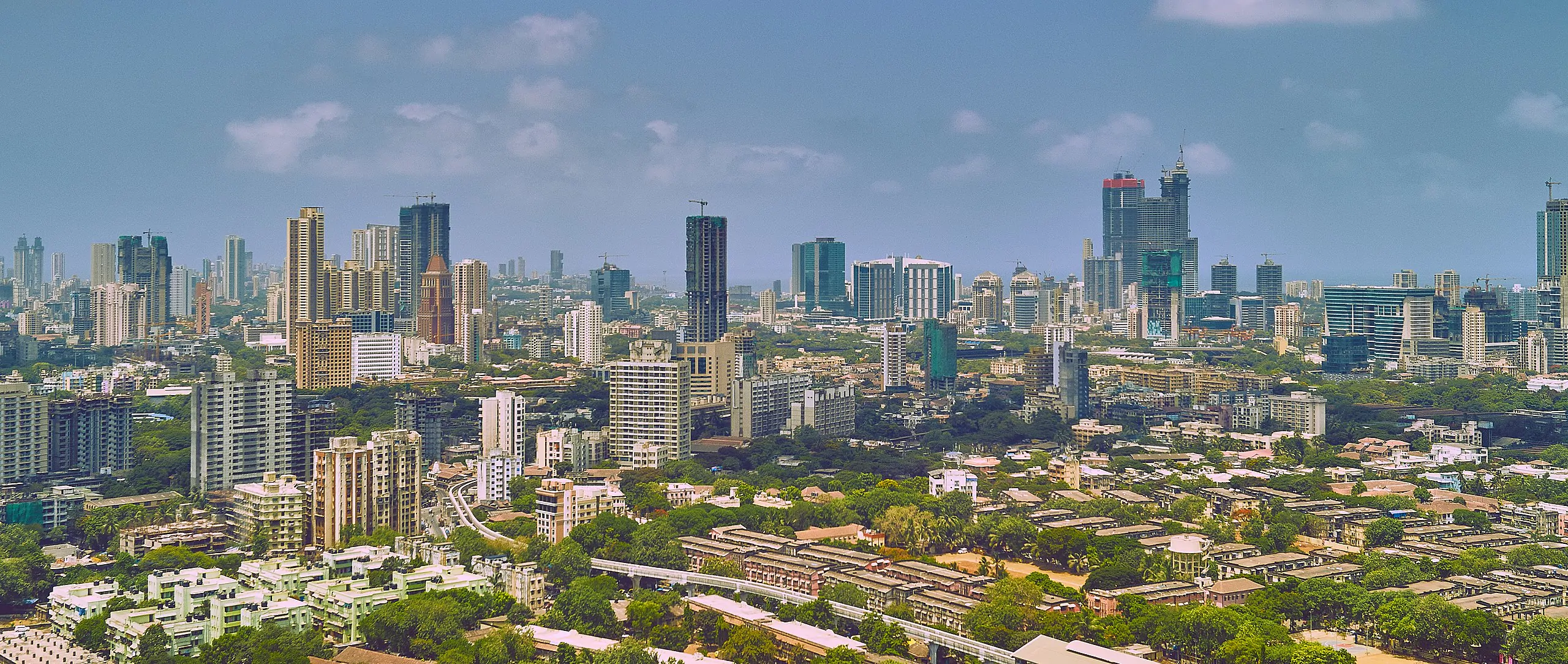
Maharashtra Real Estate Growth Expands Beyond Mumbai
A broad-based expansion of Maharashtra’s housing market is underway in 2026, with cities beyond Mumbai emerging as key investment destinations. Urban centres such as Pune, Nagpur and Nashik are witnessing sustained traction, driven by infrastructure upgrades, industrial expansion and relatively accessible property pricing signalling a structural shift in the state’s real estate growth pattern.
This transition reflects a growing appetite for Maharashtra real estate growth beyond saturated metro markets. As affordability pressures mount in Mumbai, both end-users and investors are redirecting attention to cities where land availability, planned infrastructure, and employment corridors are shaping more balanced urban ecosystems.Nagpur, strategically positioned in central India, is increasingly being viewed as a logistics and connectivity hub. Improved transport networks, including high-speed corridors linking it to major economic centres, have strengthened its role in freight movement and warehousing. Industry observers note that this has triggered residential demand, particularly among professionals linked to logistics, manufacturing and services. Lower entry prices continue to make the city attractive for long-term capital appreciation. Nashik’s growth trajectory, meanwhile, reflects a mix of industrial development and lifestyle-driven migration. With steady infrastructure investments and improved regional connectivity, the city has seen consistent appreciation in residential values over the past decade. Urban planners suggest that Nashik’s dual identity as an industrial base and a cultural-tourism centre has helped diversify its housing demand, attracting both investors and second-home buyers seeking lower-density living environments.
Pune remains a dominant force within this evolving landscape, underpinned by its established technology sector and strong employment pipeline. Key micro-markets linked to IT and business parks continue to draw both rental and ownership demand. However, the city’s expansion is also raising questions around infrastructure capacity, water resources and sustainable land use issues that urban policymakers are increasingly being pushed to address. Smaller cities such as Kolhapur, Aurangabad and Solapur are also entering the conversation, albeit at a different scale. Their appeal lies in affordability and the potential for incremental growth supported by local industries, tourism, and emerging infrastructure projects. For first-time buyers and smaller investors, these locations offer lower-risk entry points into the property market.
Experts tracking Maharashtra real estate growth emphasise that this decentralisation trend could ease pressure on overburdened metros while encouraging more equitable urban development. However, they caution that unplanned expansion in emerging cities could replicate the same challenges seen in larger metros ranging from congestion to environmental stress. As demand spreads geographically, the next phase of growth will likely depend on how effectively these cities integrate housing with transport, climate resilience and public services. For policymakers and developers alike, the focus is shifting from scale to sustainability, as Maharashtra’s urban future becomes increasingly multi-nodal.