


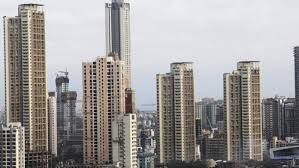
Maharashtra’s infrastructure expansion and housing pipeline will be central to India’s ambition of building a Rs 416 lakh crore economy, the Speaker of the State Legislature said at a real estate industry conclave in Mumbai this week. Addressing developers, investors and policy stakeholders, he linked large-scale transport projects and rising property demand to the country’s long-term growth trajectory.
India has already climbed to become the world’s fourth-largest economy and is targeting developed-nation status by 2047, when it marks a century of Independence. According to the Speaker, sustaining annual growth above 6.5 per cent will require sectors such as construction and real estate to maintain momentum, given their multiplier effect on employment, manufacturing, finance and urban services. In Maharashtra, marquee infrastructure projects are reshaping land economics across Mumbai and the wider Mumbai Metropolitan Region (MMR). The Atal Setu sea bridge, Coastal Road, and expanding Metro network are improving east–west and north–south connectivity, unlocking new residential and commercial corridors. Industry analysts note that travel-time compression has already begun to alter housing preferences, pushing development into previously underutilised zones. The Speaker emphasised that housing demand is broad-based, spanning luxury developments in prime districts, mid-income projects near transit nodes, and second-home investments in tier-two and tier-three cities. This diversification reflects demographic shifts, rising incomes and evolving work patterns.
Urban economists say infrastructure-led real estate growth has a cascading effect. Construction activity stimulates steel, cement and logistics sectors, while improved connectivity enhances labour mobility and productivity. However, they caution that rapid expansion must align with sustainable urban planning. Climate-resilient infrastructure, flood mitigation in coastal districts, and transit-oriented development will be critical to ensuring that growth does not deepen environmental vulnerabilities. In the MMR, where land is scarce and redevelopment dominates supply, policy support for affordable housing and rental frameworks remains equally important. Balanced growth, experts argue, requires that infrastructure investments translate into inclusive access to housing rather than purely speculative gains. The Rs 416 lakh crore economy vision, often framed within India’s broader five-trillion-dollar aspiration, places cities at the centre of transformation. Maharashtra, contributing a significant share to national GDP, is expected to lead this urban expansion cycle. As infrastructure corridors mature and capital flows into mixed-use, transit-linked projects, the real estate sector’s role in shaping economic outcomes will likely intensify.
The policy challenge ahead will be to couple speed with sustainability ensuring that new housing and commercial districts are energy-efficient, transit-connected and socially inclusive. With large projects nearing completion and new ones in the pipeline, Maharashtra’s development trajectory may serve as a template for how infrastructure and housing together anchor India’s next phase of economic growth.
Also Read: Mumbai Worli real estate gets global brand
Maharashtra real estate backs economy goal
