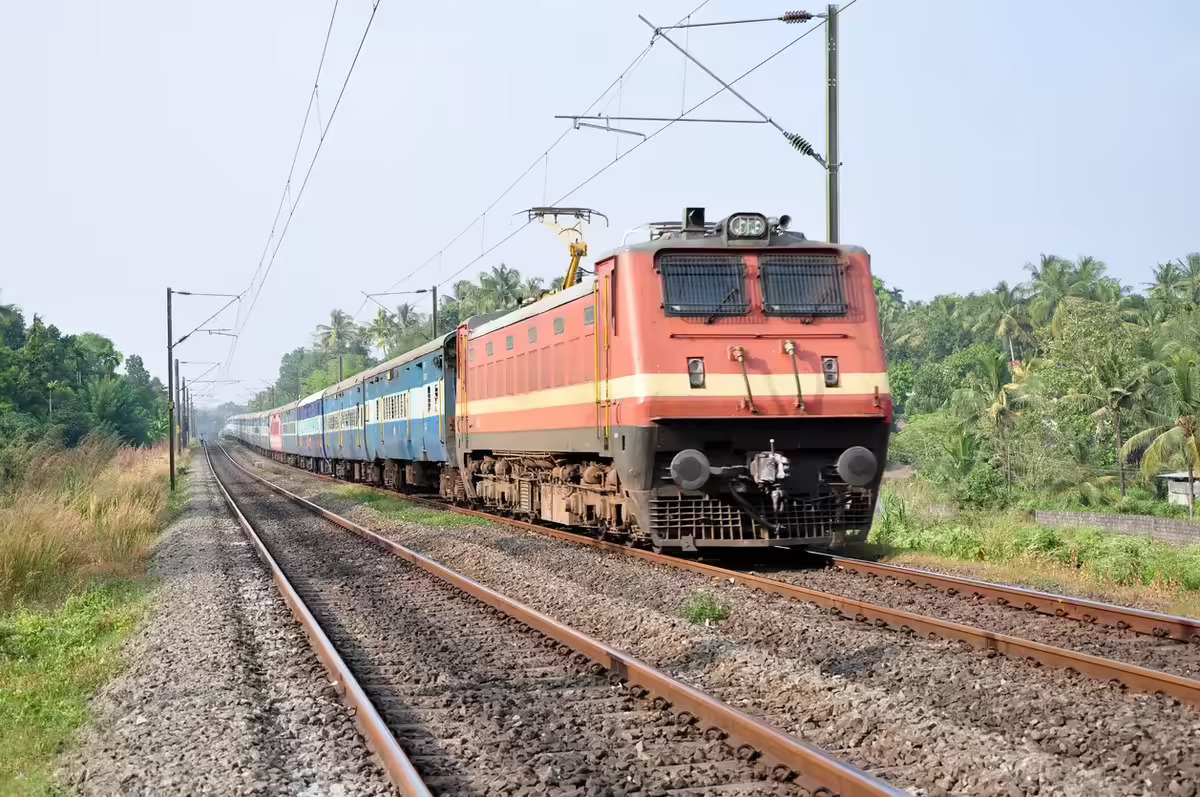
Maharashtra Railway Infrastructure Sees Rs 89,780 Crore Outlay for 38 New Projects
Maharashtra’s railway infrastructure is on the cusp of a major transformation, backed by a monumental capital infusion and a renewed focus on regional connectivity. A staggering 38 major rail projects, with a total sanctioned value of ₹89,780 crore, are currently in various stages of implementation across the state. This unprecedented investment is a direct outcome of a strategic shift in government policy, which has seen the annual railway budget allocation for Maharashtra grow nearly twenty-fold in recent years, reaching a record ₹23,778 crore for the current fiscal year. The goal is not merely to expand the network but to create a sustainable, high-capacity, and equitable transport ecosystem that can serve as the backbone for the state’s future economic growth, while also addressing environmental concerns by promoting low-carbon freight and passenger movement.
The new projects include a mix of 11 new lines, two gauge conversions, and 25 doubling works, collectively covering over 5,000 km. The impact of these efforts is already evident in the dramatic increase in the commissioning rate for new tracks, which has surged from a yearly average of just 58.4 km between 2009 and 2014 to over 208 km per year in the decade that followed. This rapid expansion is set to alleviate chronic congestion, improve logistics efficiency, and significantly reduce operational bottlenecks. The focus on multi-tracking projects, such as the Bhusawal–Khandwa 3rd and 4th lines, is designed to enhance line capacity and ensure the faster, more reliable movement of both passenger and freight traffic. This is a critical step towards building a resilient transport network that supports a zero-net carbon future by moving a greater volume of goods away from polluting road transport.
Beyond conventional rail, Maharashtra is also a central hub for two of the nation’s most ambitious infrastructure ventures: the high-speed bullet train project and the Western Dedicated Freight Corridor (DFC). The land acquisition for the bullet train corridor in the state is now fully complete, with construction work on key structures like bridges and viaducts progressing rapidly. This project holds the promise of not only slashing travel times but also stimulating high-end economic activity and fostering new urban development along its route. Simultaneously, the Western DFC, with 178 km running through Maharashtra, is already partially operational. Its connectivity to the Jawaharlal Nehru Port Trust (JNPT) is expected to revolutionise cargo and container movement, significantly boosting trade and enhancing the state’s position as a critical logistics gateway for the entire country.
These railway initiatives are designed to create a ripple effect throughout the economy, generating both direct and indirect job opportunities, boosting the tourism sector, and attracting industrial investment to previously underserved regions. Experts believe that by connecting industrial hubs to ports and urban centers, these projects will enable a more balanced and equitable distribution of economic benefits. With projects falling under the jurisdiction of five different railway zones—Central, South Central, South East Central, South Western, and Western Railway—the developments reflect a coordinated and holistic strategy. The ongoing work is a clear indication of a long-term commitment to modernising Maharashtra’s transport infrastructure, making it a model for sustainable, efficient, and inclusive urban and regional development.