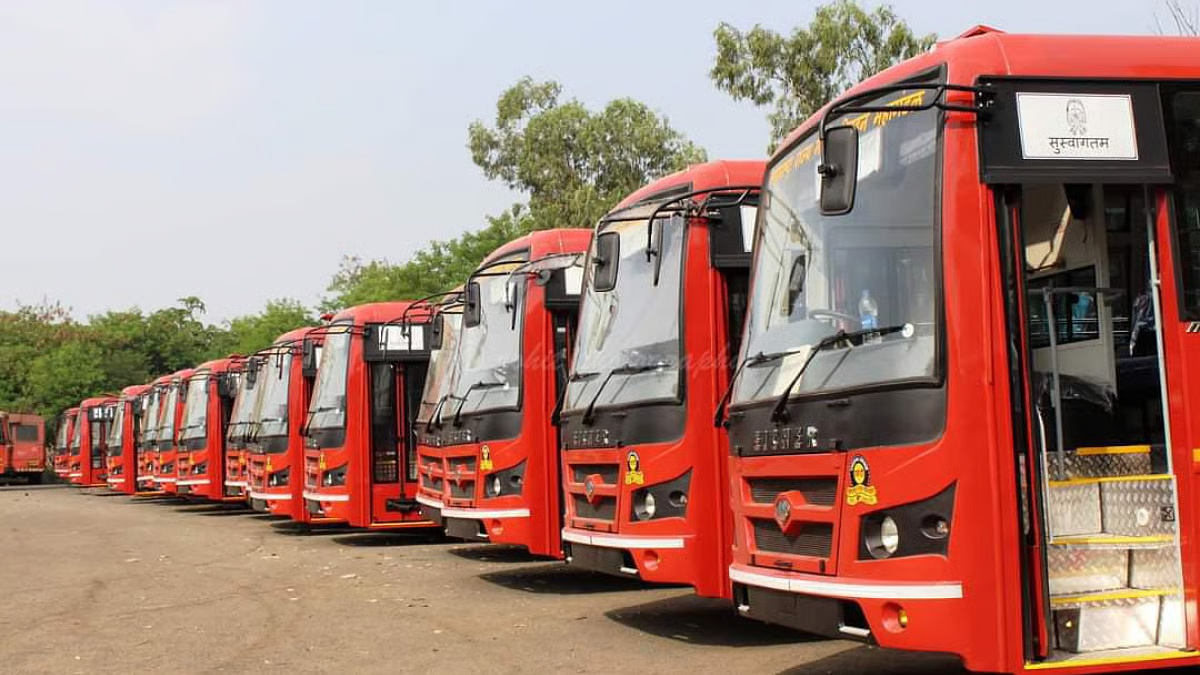
Despite India’s accelerating shift towards electric mobility, the Maharashtra State Road Transport Corporation (MSRTC) continues to operate a fleet heavily reliant on diesel, with nearly 90 per cent of buses still powered by conventional fuel. This reliance highlights the infrastructural and logistical challenges in electrifying one of the country’s largest public transport networks, particularly in rural regions.
A senior MSRTC official indicated that the corporation has initiated a phased adoption of electric buses, but the lack of widespread charging infrastructure remains a major impediment. “Deploying electric buses in areas extending to remote villages requires significant planning and staged infrastructure development,” the official said, underscoring the unique operational demands of a fleet serving more than 90 per cent of Maharashtra’s rural communities. The issue has gained renewed focus following directives from the Transport Minister and MSRTC Chairman to prioritise electric vehicle (EV) charging points at fuel pumps being developed on MSRTC premises under public–private partnerships. Officials noted that integrating charging stations alongside diesel and CNG facilities is expected to support the gradual transition of the fleet while creating additional revenue streams for the financially constrained corporation.
Industry observers point out that the MSRTC faces a complex balancing act: meeting state-wide connectivity obligations to rural populations while pursuing modernisation and sustainability goals. With extensive routes covering isolated regions, a sudden fleet-wide shift to electric buses is operationally challenging and may compromise service reliability if infrastructure gaps are not addressed. Experts further note that a phased electrification strategy, combined with strategically located charging stations, could enhance adoption without disrupting critical services. “The corporation’s move to install EV chargers at key depots and fuel stations reflects an incremental approach that aligns environmental objectives with service continuity,” an urban transport analyst said.
The reliance on diesel also has broader environmental implications. MSRTC’s fleet contributes significantly to vehicular emissions in both urban and semi-urban corridors, where traffic congestion and air quality concerns intersect. Transitioning to electric buses could reduce local air pollution, lower greenhouse gas emissions, and contribute to climate-resilient urban mobility across Maharashtra. Officials emphasise that while diesel will continue to dominate the fleet in the near term, procurement of electric buses will be prioritised in upcoming purchases. The government and MSRTC are now tasked with accelerating the rollout of charging infrastructure, ensuring reliable energy supply, and integrating EV adoption into long-term fleet planning.
The challenge underscores a key lesson for India’s public transport sector: scaling electric mobility in large, rural-connected networks requires not only vehicle procurement but also systemic infrastructure, policy support, and phased operational planning. MSRTC’s trajectory may serve as a blueprint for other state transport corporations navigating similar electrification challenges.
Maharashtra Public Transport Faces Slow Electric Shift