Maharashtra’s urban energy network is witnessing steady expansion, with piped natural gas connections crossing a significant milestone even as authorities maintain stable fuel supplies amid ongoing global geopolitical uncertainty. Data reviewed by Urban Acres indicates that PNG connectivity across the state has surpassed 25 lakh households and establishments, reflecting a growing shift towards cleaner and more efficient fuel alternatives in urban and peri-urban regions.
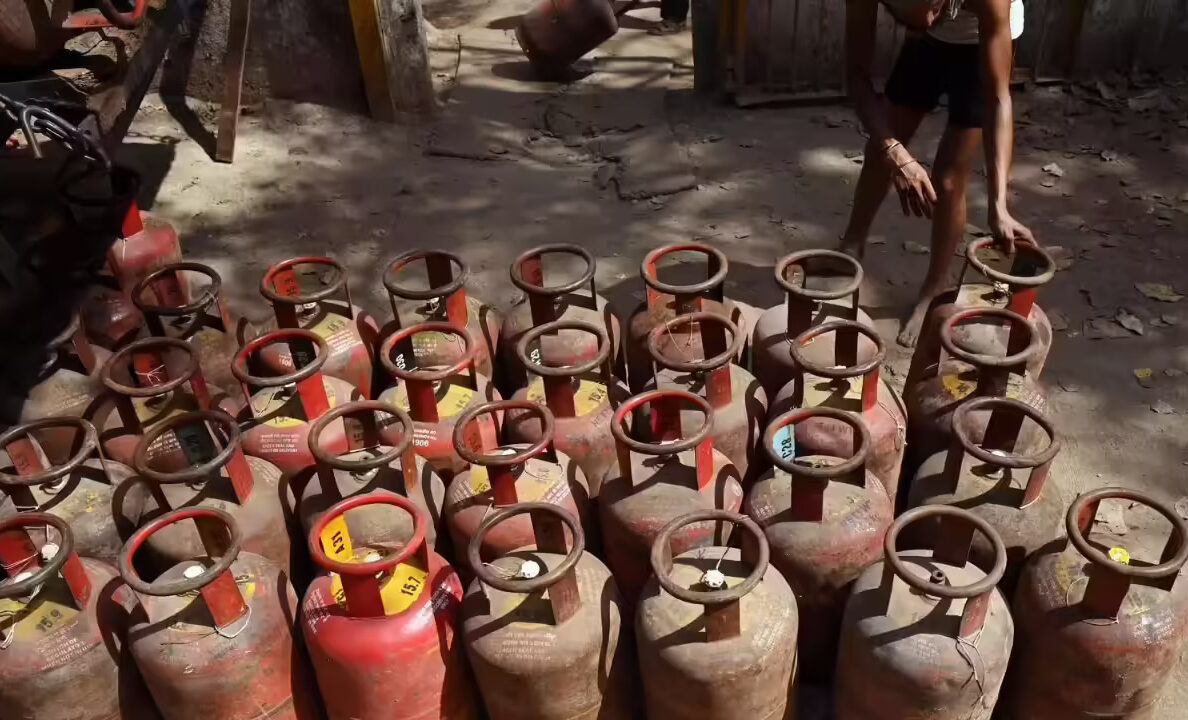
The expansion comes at a time when global energy markets remain volatile, underlining the importance of resilient domestic distribution systems. Officials overseeing the state’s fuel and consumer supply framework noted that policy measures aimed at simplifying approvals for gas pipeline infrastructure have accelerated rollout timelines. The move to allow streamlined permissions for city gas distribution networks is expected to further boost last-mile connectivity, particularly in high-density urban clusters. The Maharashtra PNG connections growth is also aligned with broader sustainability goals. Compared to traditional fuels, piped natural gas offers lower emissions and improved efficiency, making it a key component in the transition towards cleaner urban energy systems. Urban planners highlight that expanding PNG networks can help reduce reliance on cylinder-based fuels, easing logistics and improving safety standards in residential and commercial use.
Despite concerns over disruptions in global oil supply chains, authorities report that Maharashtra’s fuel distribution remains stable. Petrol, diesel and LPG supplies continue to meet demand across the state, supported by an extensive network of storage depots, retail outlets and bottling plants. Daily distribution volumes indicate consistent availability, with no major supply constraints observed in recent weeks. The Maharashtra PNG connections growth also complements efforts to modernise fuel delivery systems through digital integration. A significant share of LPG bookings and transactions has shifted to online platforms, improving transparency and reducing leakages. Authentication mechanisms for deliveries have been strengthened, ensuring that subsidies and supplies reach intended beneficiaries efficiently.
At the same time, enforcement agencies have intensified monitoring to curb irregularities in fuel distribution. Crackdowns on unauthorised diversion and black-market activities have been reported, with authorities emphasising strict compliance to maintain supply integrity. Control rooms and digital grievance channels have also been activated to address consumer concerns in real time. Energy experts suggest that the combined approach of expanding PNG infrastructure and strengthening conventional fuel supply chains reflects a dual strategy—ensuring immediate energy security while transitioning towards more sustainable systems. For rapidly urbanising regions, such integrated planning is essential to balance affordability, accessibility and environmental impact.
Looking ahead, officials indicate that PNG adoption may be further encouraged in areas where pipeline networks are already in place, while alternative fuel supply will continue in regions where connectivity is not yet viable. As Maharashtra’s cities grow, the pace and inclusivity of this energy transition will play a crucial role in shaping low-carbon, resilient urban ecosystems.
Maharashtra PNG Network Expands Amid Stable Fuel Supply