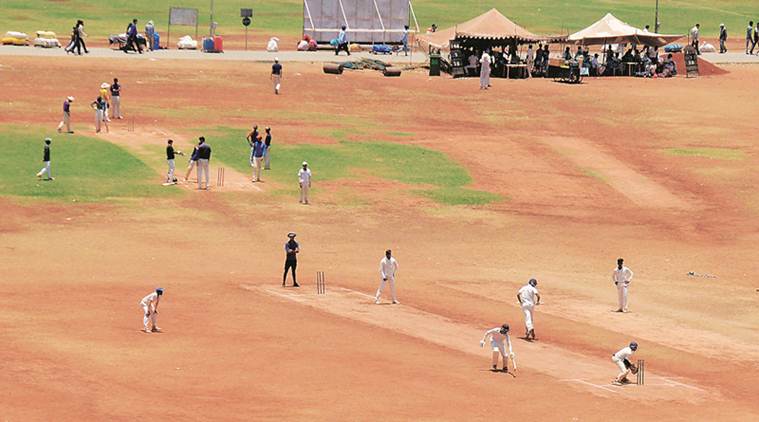
Maharashtra Orders Probe Into Public Sanitation Gaps At Mumbai Maidans
The Maharashtra government has convened a Special Investigative Team (SIT) to examine chronic shortages of toilet and changing-room facilities at three of Mumbai’s most frequented open grounds — Azad, Oval and Cross Maidans — highlighting a persistent urban sanitation gap with implications for public health, gender equity and the city’s sports ecosystem. The decision was announced by senior officials on 28 February 2026 after the issue was raised in the Legislative Council, prompting a formal inquiry into the scale of the deficit and the causes of stalled infrastructure delivery.
These historic maidans are not only central to Mumbai’s cricketing culture but also serve as multi-use public spaces where hundreds of residents, athletes and informal vendors converge daily. However, advocates and lawmakers have pointed out that the absence of adequate toilets — and particularly gender-inclusive facilities with changing rooms — strains the usability of these grounds, deterring participation by women athletes and undermining broader aspirations for inclusive community sport infrastructure.The SIT mandate will cover an audit of existing facilities, contractual commitments for construction or renovation, and coordination among civic agencies such as the Brihanmumbai Municipal Corporation (BMC) and the Maharashtra Urban Development Department. Officials have been instructed to map gaps, assess design compliance with accessibility norms, and evaluate the performance of previous sanitation projects — with a view to recommending corrective action and accountability where necessary.
Urban planners and public health experts see this move as part of a more pressing sanitation challenge across Mumbai, where demand for public toilets has often outpaced supply. Despite longstanding targets under the Swachh Bharat Mission, multiple assessments and citizen surveys have found that toilet access remains uneven, with some wards registering far lower seat-to-user ratios than recommended and community facilities in poor repair.In response to past sanitation shortfalls, the BMC has previously scoped large-scale toilet construction initiatives — including plans for tens of thousands of new seats across slum and public spaces — but implementation delays and maintenance issues have limited their effectiveness in some neighbourhoods. Systemic gaps such as irregular cleaning, inadequate water supply and structural neglect have meant that even facilities built in recent years are underutilised or inaccessible at critical times.
The SIT’s inquiry is also expected to consider gender and accessibility standards, which require separate toilets for women, adequate changing spaces, and provisions for persons with disabilities. These criteria are integral to international and national urban sanitation norms but have historically been overlooked at older public venues where designs predate contemporary regulatory frameworks.For user groups such as daily cricketers, joggers, children in informal academies and staff who work at these grounds, the lack of basic services has been a tangible constraint on participation and quality of life in the city’s open spaces. Equitable sanitation is increasingly recognised as an essential dimension of public infrastructure that enables active lifestyles and supports community wellbeing.
The SIT’s findings will be closely watched by civic bodies and urban planners as they weigh policy responses not only for the maidans under review but also for similar deficiencies in parks, transit hubs and under-served neighbourhoods. Addressing systemic sanitation shortfalls is likely to require coordinated funding, clear contractual accountability and sustained maintenance protocols — a challenge that cities like Mumbai face as they grow and diversify their public amenity portfolios.