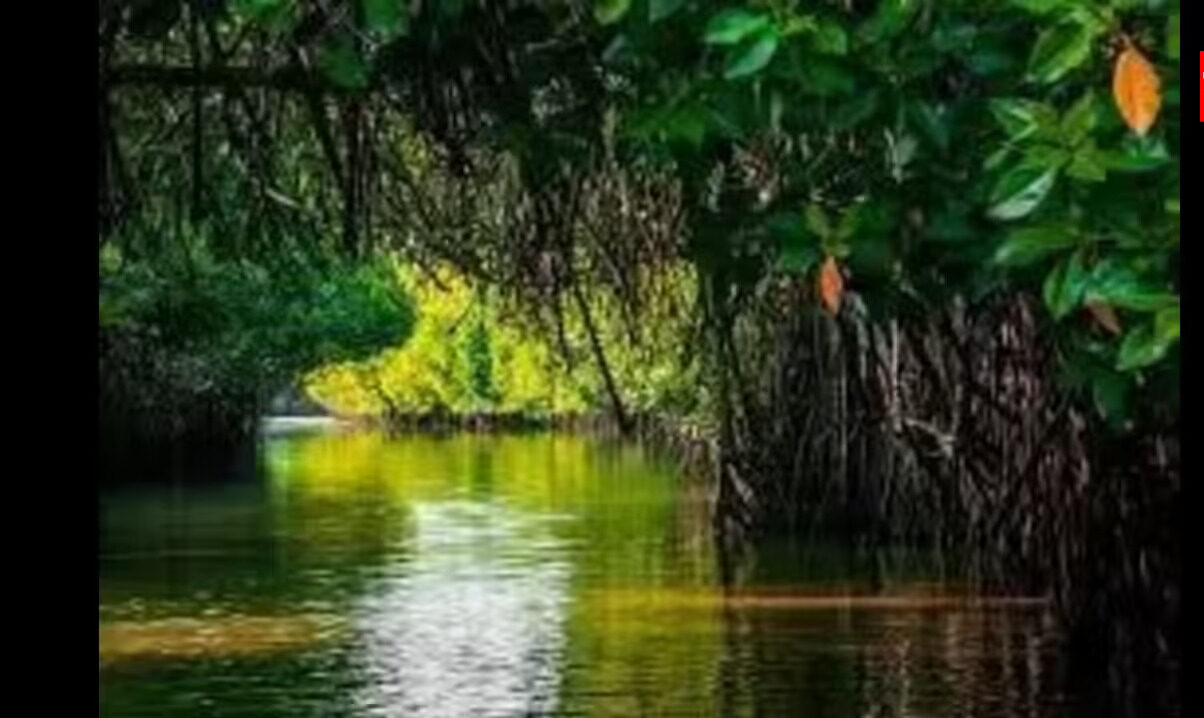
Authorities in Maharashtra have initiated enforcement measures against alleged violations affecting coastal vegetation in Mumbai’s Borivali area, signalling a renewed push to protect the city’s fragile mangrove ecosystems. State officials informed the legislative assembly that investigations and legal action are underway against entities involved in clearing or damaging mangroves, while parallel plans are being prepared to restore affected green buffers.
The crackdown follows concerns raised about accelerating Borivali mangrove encroachments across multiple locations in the western suburb. Urban environmental regulators say such violations include illegal construction activity, unauthorised land filling and the use of ecologically sensitive zones for storage and commercial purposes. Officials overseeing coastal conservation told lawmakers that enforcement teams have identified different categories of violations. These include encroachments within areas managed by the state’s mangrove protection authorities, activities taking place on privately owned land containing mangrove cover, and development within the legally restricted buffer zone surrounding these ecosystems.
Investigations have revealed instances where permanent residential structures, temporary sheds and warehouse-style storage facilities were constructed within or near mangrove areas. Authorities also reported cases where land was artificially filled using construction debris, metal materials and cement-related waste — activities that can severely disrupt tidal ecosystems and damage coastal vegetation. Environmental regulators confirmed that several cases linked to Borivali mangrove encroachments have been registered under national environmental protection laws. Officials say enforcement actions include removal of illegal structures, legal proceedings against responsible parties and site inspections aimed at preventing further damage.
Urban ecologists warn that mangrove destruction in coastal cities like Mumbai carries consequences that extend far beyond local environmental degradation. Mangrove forests act as natural barriers against storm surges, coastal flooding and erosion, making them critical climate resilience infrastructure in rapidly urbanising coastal regions. Mumbai’s western suburbs, including Borivali, have experienced significant real estate growth and urban expansion over the past decade. While the city’s development trajectory has increased demand for housing and commercial land, planners say pressure on ecologically sensitive zones has intensified. Environmental experts emphasise that preventing Borivali mangrove encroachments is essential not only for biodiversity conservation but also for safeguarding long-term urban sustainability. Mangroves filter pollutants, support fisheries and absorb carbon emissions, playing an important role in building climate-resilient coastal cities.
Authorities indicated that restoration work is being planned in areas where mangrove cover has been damaged. Such initiatives typically involve clearing debris, stabilising soil conditions and enabling natural regeneration of mangrove vegetation under monitored conditions. Urban policy specialists say the effectiveness of such measures will depend on consistent monitoring, stricter enforcement and better coordination between environmental agencies, municipal authorities and land administration departments. As Mumbai continues to expand along its coastal edges, protecting mangrove ecosystems is increasingly viewed as a critical urban planning priority. Officials say ongoing enforcement against Borivali mangrove encroachments, combined with restoration initiatives, will be necessary to preserve the city’s natural coastal defences while balancing development pressures.
Maharashtra Orders Action Against Mangrove Damage In Borivali