Maharashtra Olive Group Targets MMR Airport Corridor Growth
A prominent South India‑based developer has signalled a renewed long‑term commitment to the Mumbai Metropolitan Region (MMR), anchoring growth strategy around the Navi Mumbai International Airport corridor and its rapidly evolving urban landscape. This re‑entry, focused on integrated district‑scale development tied to infrastructure rollout, highlights shifting real estate patterns as city planners and markets recalibrate around large‑scale public investments and sustainable urban expansion.
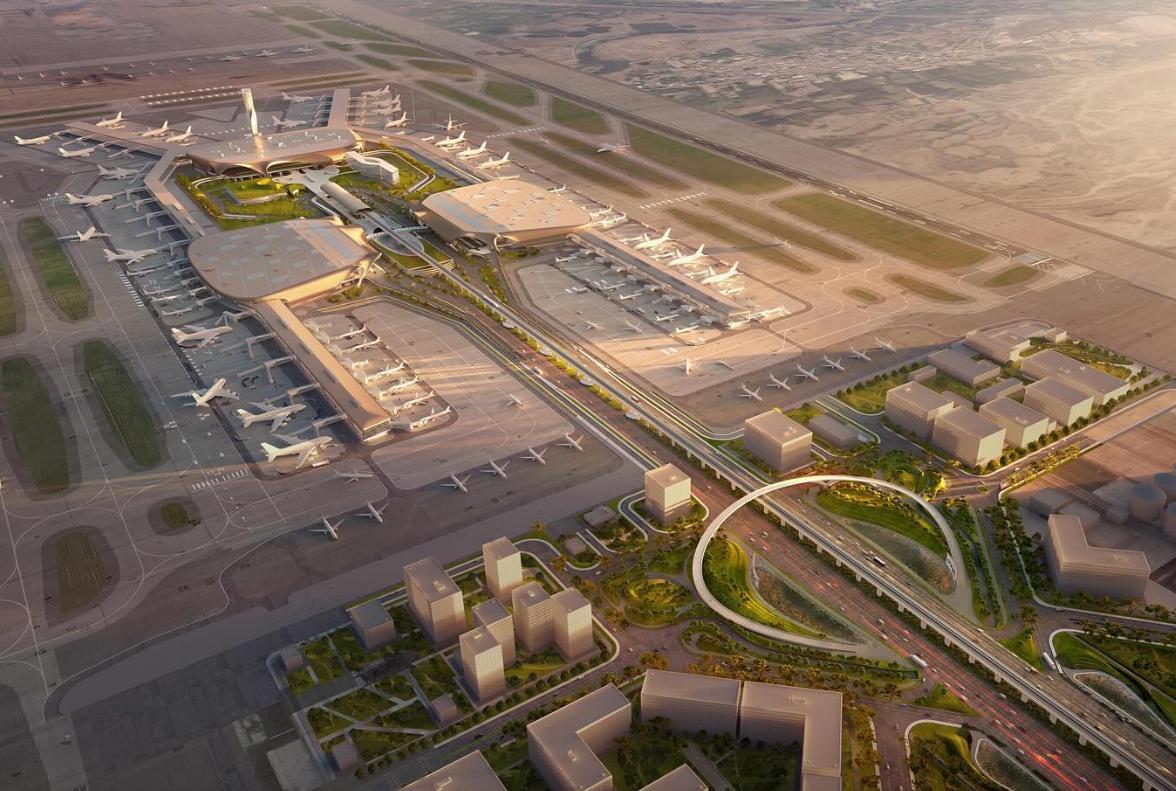
Olive Group, with more than four decades of experience across southern metropolitan markets and a growing footprint in Kerala and Karnataka, plans to invest in developments within the Navi Mumbai Airport Influence Notified Area (NAINA)—a planned zone structured around new town planning schemes and backed by significant infrastructure investments. The developer’s strategy is rooted in the coordinated execution of zoning, transport networks, utilities and social infrastructure that have emerged in tandem with the airport project. With the greenfield international airport expected to handle phased passenger growth into the tens of millions annually, planners and industry observers see the corridor transforming into a self‑sustaining urban economy rather than merely an extension of existing urban fringes.
Analysts highlight that the airport corridor model differs from traditional incremental real estate expansion by integrating public infrastructure with land use planning and multi‑modal transport links early in the development cycle. This model can markedly reduce retrofit costs for utilities, mobility and open spaces that often burden major metropolitan regions later in their growth trajectories. Urban planners note that such alignment between infrastructure and market demand enhances economic resilience and can improve outcomes for residents by prioritising connectivity and community services. For Olive Group, the corridor presents a chance to build integrated residential and commercial districts measured against infrastructure readiness and market absorption. The group has cited plans to develop roughly 50 lakh sq ft of space across mixed residential formats over the next five years, utilising partnerships and phased launches suited to absorptive capacity.
Local real estate market experts view the renewed focus on Navi Mumbai as part of a broader decentralising trend within MMR. The shift away from hyper‑concentrated development in central Mumbai towards satellite growth nodes underscored by strong infrastructure — from rapid transit links and arterial expressways to logistics and IT corridors — is reshaping investment flows and demand patterns. However, charting this growth sustainably will require careful calibration of planning norms, environmental safeguards and equitable community integration. The planned airport zone’s rapid transformation could strain existing social infrastructure if housing affordability, green spaces and public services are not woven into early planning frameworks. Urban governance specialists emphasise that developers and authorities must balance commercial imperatives with climate‑adaptive and inclusive urban design.
As MMR’s airport corridor readies for phased activation over the coming years, Olive Group’s investment signals confidence in long‑horizon urban growth tied to infrastructure symmetry. For city stakeholders, the evolution of the airport zone may serve as a litmus test for how India’s megaregions can orchestrate purposeful, resilient and equitable urban expansion in an era of constrained resources and heightened climate imperative