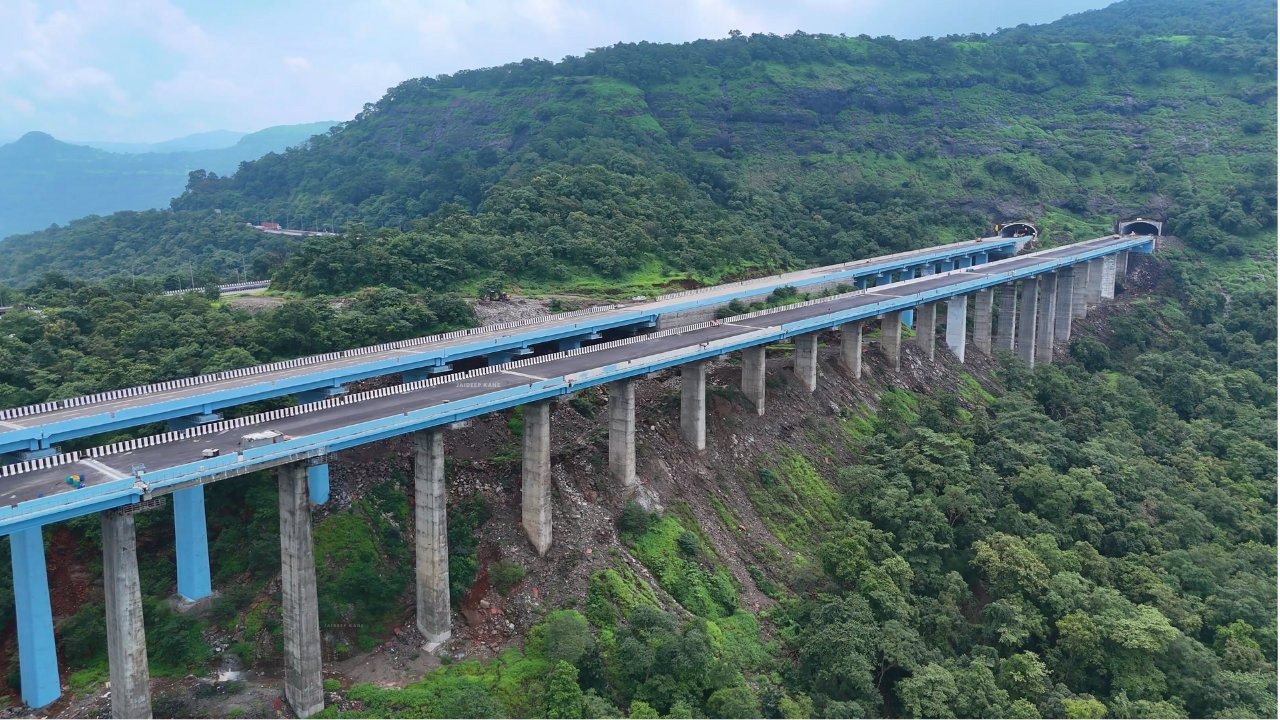
Maharashtra Mumbai Pune Expressway Missing Link Opens
Maharashtra’s flagship transportation corridor is on the brink of a transformative upgrade, with the long‑awaited Mumbai–Pune Expressway ‘Missing Link’ nearing completion and slated for public opening on May 1, 2026, coinciding with Maharashtra Day. This crucial infrastructure milestone is expected to significantly shorten travel times between the state’s two commercial anchors and deliver a safer, more efficient alternative to the existing ghats‑dependent route, potentially reshaping commuter patterns and regional logistics flows.
The Missing Link project — a roughly 13.3‑kilometre expressway stretch between Khopoli and Lonavala that bypasses the winding ghat section — combines extensive tunnelling, a cable‑stayed bridge and modern road engineering to create one of India’s most advanced road segments. Once operational, vehicles are projected to save up to 20–30 minutes in travel time and enjoy smoother gradient‑free travel, alleviating chronic congestion and safety risks associated with steep ghat curves. From an urban planning perspective, the project represents a rare comprehensive redesign of a major intercity corridor rather than incremental widening. Key features include a nearly nine‑kilometre, 10‑lane road tunnel — among the widest of its kind — supplemented by technology‑driven safety systems to mitigate monsoon landslide risks. The infrastructure has been developed with strategic oversight by the Mumbai Metropolitan Region Development Authority (MMRDA), laterally supported by state‑level directives to meet stringent safety and performance benchmarks before commissioning.
Transport economists note that faster, safer intercity links not only ease personal travel but can also catalyse regional economic flows. The expressway serves not just private commuters but also commercial freight movements and logistics networks critical to the Pune–Mumbai industrial corridor. Cutting travel time by up to half an hour can reduce fuel consumption, lower operating costs for goods transporters and enhance scheduling reliability for time‑sensitive supply chains that underpin manufacturing and services clusters in western India. Yet stakeholders caution that delivery of infrastructure is only half the story; its integration with broader mobility ecosystems — including public transport linkages, freight terminals, and last‑mile connectivity — will determine long‑term benefits. Traffic managers also face challenges in ensuring congestion does not simply shift to new bottlenecks at entry and exit nodes, particularly during peak travel seasons when demand spikes sharply. Planning experts suggest coordinated land‑use policy and multimodal transfer points could maximise public value from the expressway upgrade.
Environmental and safety considerations remain central to the project’s legacy. By diverting high‑speed traffic away from landslide‑prone ghat stretches, the Missing Link is expected to enhance corridor resilience, particularly during the monsoon when incidents on old routes are frequent and disruptive. The incorporation of modern tunnel safety measures, real‑time monitoring and risk mitigation infrastructure signals a shift toward smarter expressway design in India’s challenging terrain contexts.
As Maharashtra prepares to open this vital artery, focus will inevitably turn to how this corridor supports equitable economic opportunity — balancing mobility with sustainable land use, climate resilience and inclusive access for commuters and businesses alike.