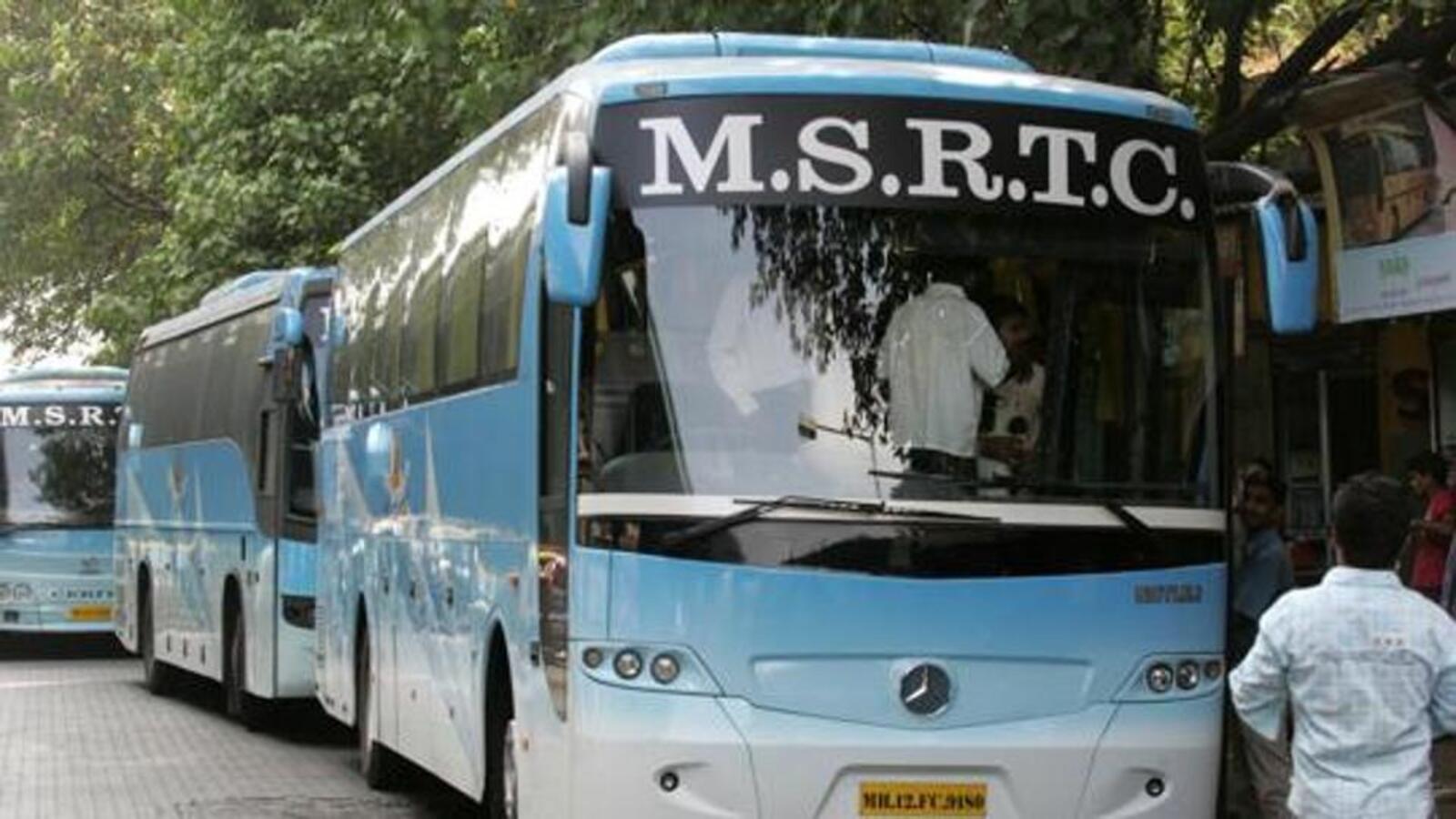
MSRTC Diesel Reform Cuts Costs For Public Transport
Maharashtra’s state-run bus network is poised for a significant leap in digital mobility as the Maharashtra State Road Transport Corporation (MSRTC) begins rolling out the National Common Mobility Card (NCMC) for travel across its extensive routes. The initiative is aimed at streamlining passenger payments, enhancing convenience and moving the state closer to an integrated, cashless public transport ecosystem.
The NCMC system will enable passengers to pay fares using a single smart card — already part of the national One Nation One Card scheme — across MSRTC buses, potentially replacing cash and traditional ticketing for many commuters. Concession categories such as students, senior citizens, women and persons with disabilities will also see their benefits digitally managed through the card, making eligibility verification and subsidy delivery more transparent.Officials overseeing the rollout say this development is part of a broader effort to modernise road transport services in Maharashtra, which currently operates one of India’s largest public bus fleets servicing millions of passengers daily. With digital payment infrastructure already supporting UPI and other contactless modes in recent years, the NCMC integration marks the next step in creating a seamless travel experience across both urban and rural corridors.
Urban transport analysts argue that embedded digital ticketing solutions like NCMC not only improve passenger convenience but also generate reliable data on travel patterns — an increasingly valuable tool for planning and decongesting heavily used routes. “Data-driven mobility systems help authorities align services with actual demand,” notes a transport systems researcher, “allowing for smarter route allocation and timetable optimisation in both high-density cities and remote districts.”However, transitioning a legacy system to a fully digital mobility platform poses operational challenges. MSRTC’s network spans diverse geographies, from dense urban peripheries to hilly and remote rural stretches, where digital literacy and network connectivity can vary widely. Ensuring widespread card distribution and user uptake — particularly among older passengers who are accustomed to cash fare payment — will require sustained outreach and support infrastructure at bus depots and terminals.
Transport equity advocates highlight that accessible payment systems must be paired with clear safeguards for marginalised commuters. Cards should remain affordable, with recharge options and physical outlets available even in low-income and rural locations to prevent exclusion. The state’s plans for a 3,000-agent distribution network, which includes on-site registration at bus stands, are designed to address this gap.The NCMC rollout sits within a broader agenda to bolster MSRTC’s operational sustainability. The corporation has been working to modernise its technology stack, from electronic ticketing machines to real-time bus tracking via mobile apps, and there are parallel efforts to expand fleet capacity and explore cleaner vehicle technologies. Recent policy commitments also suggest a long-term transition towards electric and alternative fuel buses by 2047, aligning with Maharashtra’s climate mitigation goals.
From commuters juggling daily work trips to students and seniors relying on concessional fares, the shift to a unified mobility card could reduce friction at boarding points, encourage higher ridership and strengthen public transit’s competitiveness with private vehicles. Success will depend on user adoption, reliable recharge infrastructure and ongoing alignment with broader transport planning — ensuring that digital upgrades translate into tangible benefits for passengers and contribute to a resilient, inclusive state-wide mobility network.