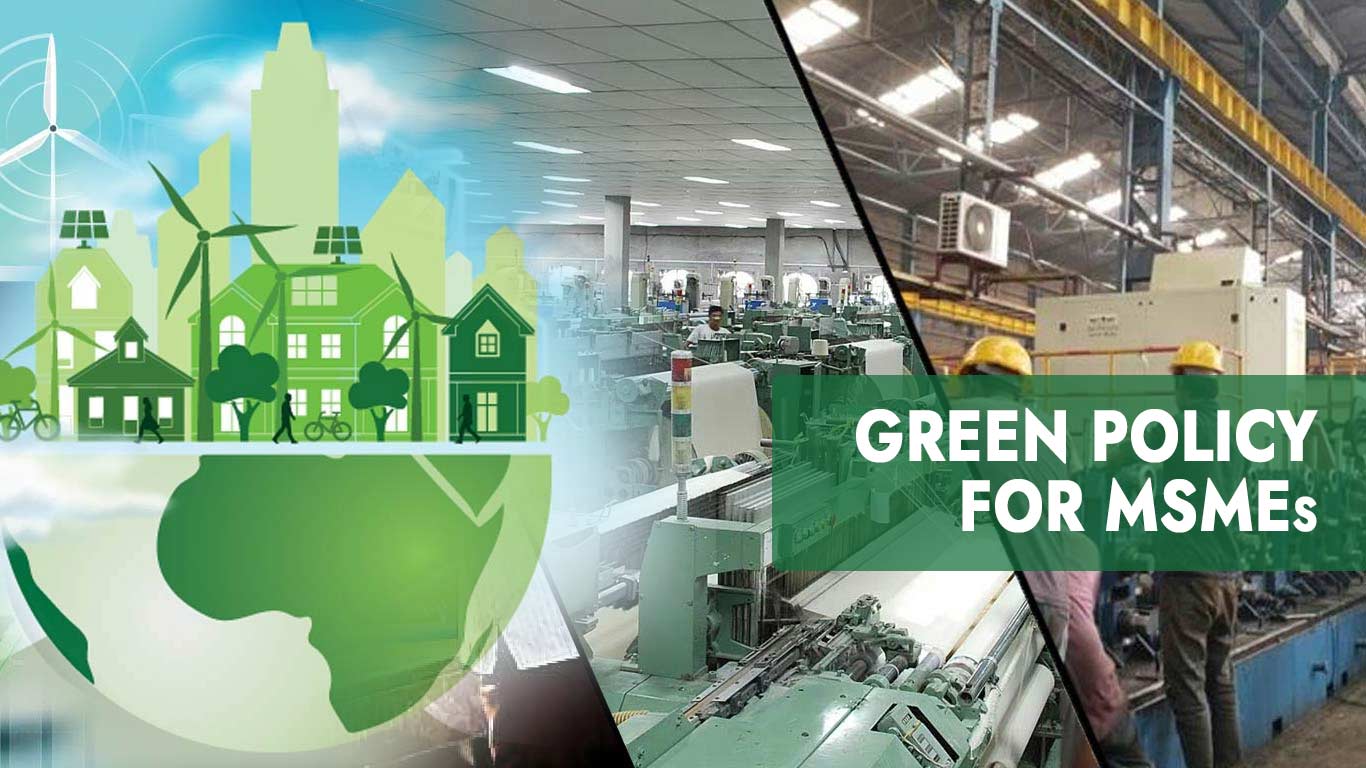
Maharashtra MSMEs Aim to Cut Over 4 Million Tonnes Emissions by 2031
Maharashtra, is charting a bold new course in industrial sustainability as it targets a reduction of over 4.05 million metric tonnes of carbon emissions from its MSME (Micro, Small and Medium Enterprises) sector by 2031. The ambitious effort is part of the state’s State Energy Efficiency Action Plan (SEEAP), a roadmap aimed at aligning economic growth with environmental responsibility.
Unveiled as part of World MSME Day observances on June 27, this initiative shines a spotlight on the pressing need to decarbonise one of India’s most dynamic yet energy-intensive sectors. Maharashtra, home to nearly 17% of India’s MSMEs—with over 82.6 lakh registered units—is emerging as the nucleus of this transformation. A key element of the strategy is a cluster-based intervention model, targeting high-emission hubs such as Pune Forging, Kolhapur Foundry, and Bhiwandi Textile clusters. These zones will implement mandatory energy audits, technology retrofits, and policy-based financial incentives to help reduce emissions from legacy systems that currently rely heavily on coal, coke, and other fossil fuels.
According to estimates from The Energy and Resources Institute (TERI) and Bureau of Energy Efficiency (BEE), Maharashtra’s MSMEs will play a pivotal role in achieving the state’s broader climate goals. The SEEAP, which targets a total carbon reduction of 55.15 million tonnes across sectors by 2031, will see the MSME sector contribute nearly 7.3% of this goal, equivalent to removing 900,000 vehicles from the road annually or eliminating the burning of 2 million tonnes of coal. The urgency stems from data showing that MSME sector emissions in India are set to more than double—from 30 MtCO₂e in 2016–17 to over 72 MtCO₂e by 2029–30. Maharashtra, with its dominant share in automotive, foundry, electronics, and engineering goods, is expected to contribute a substantial portion to that growth unless intervention is scaled quickly.
Nowhere is this challenge more evident than in the foundry sector. With more than 8,200 active MSME units in metal casting and secondary steel, Maharashtra is a national heavyweight in manufacturing components for vehicles, machinery, and infrastructure. These foundries consume an estimated 11.8 million tonnes of oil equivalent (Mtoe) annually and emit over 58 million tonnes of CO₂, according to SAMEEEKSHA, the national energy efficiency platform for MSMEs. “Foundries are vital to India’s industrial backbone,” experts said. “But these units are difficult to decarbonise due to high energy use, legacy equipment, and narrow profit margins. They simply lack the capital or policy clarity to modernise.”
This lack of preparedness may soon carry real economic consequences. Global trade mechanisms like the EU’s Carbon Border Adjustment Mechanism (CBAM) are set to impose tariffs on carbon-intensive imports from countries with less rigorous climate action. With MSMEs contributing 44% of India’s exports, especially in iron, steel, aluminium, and machinery, compliance with international climate norms is no longer optional—it’s existential. Officials echoed the sentiment: “There’s enthusiasm among small manufacturers to clean up their operations. But it can’t be done piecemeal. We need a cohesive support ecosystem—finance, training, clear policies, and technological support.”
Encouragingly, pilot projects within Maharashtra have yielded 20–30% energy savings, reduced fuel bills, and improved air quality in foundry-heavy towns. However, these pilots remain fragmented and underfunded, with only a few clusters benefiting from initiatives such as the Maharashtra State Industrial Cluster Development Programme (MSICDP) or SEEAP rollouts. Experts argue that to scale effectively, Maharashtra must adopt an “ease of decarbonisation” policy mindset, simplifying access to green financing, easing technology transfer bottlenecks, and making compliance with global standards less burdensome for small enterprises.
According to experts, the time is now. “Maharashtra is uniquely positioned to lead India’s climate transition. But it must do so by helping its smallest players thrive in a low-carbon economy—not just survive it.”
As MSMEs move closer to the centre of India’s climate commitments, Maharashtra’s evolving model offers a potential blueprint for other states. With over 1.3 crore people depending on MSMEs for livelihood, the stakes are high—but so is the potential to drive inclusive, green industrial growth that doesn’t leave the little guy behind.