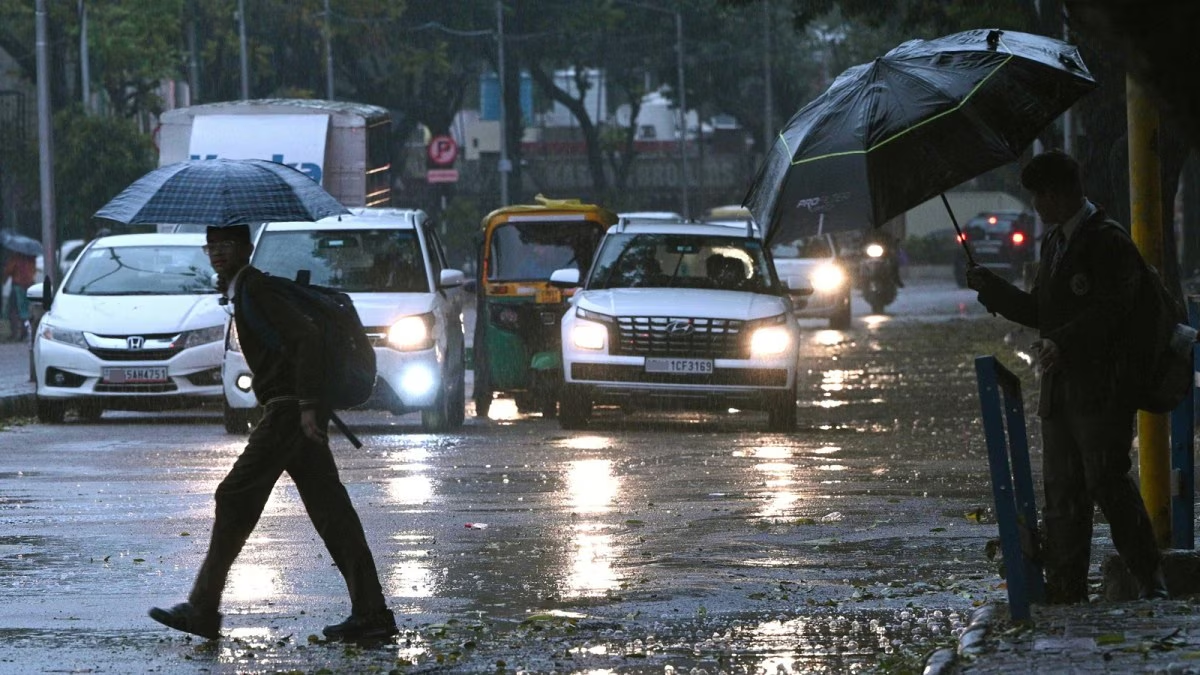
A short-duration weather warning covering parts of western Maharashtra has placed urban administrations on alert, as forecasts indicate thunderstorm activity with lightning and gusty winds across key districts including Pune, Ahilyanagar, Kolhapur and Sangli. The advisory, issued for a limited window on Friday evening, underscores the growing need for real-time climate response systems in rapidly expanding urban regions.
The Maharashtra lightning alert points to moderate atmospheric instability, with the possibility of lightning strikes accompanied by brief rainfall and wind speeds that could impact localised infrastructure. While the duration is relatively short, such events can disrupt transport, outdoor economic activity, and essential services, particularly in densely populated urban clusters. Civic authorities and disaster management teams have been placed on precautionary footing, with emphasis on minimising exposure to open areas and vulnerable structures. Officials indicate that even medium-intensity weather events can trigger cascading disruptions in cities where overhead wiring, construction activity, and informal settlements increase exposure to sudden weather shifts.
Urban planners highlight that incidents like the current Maharashtra lightning alert are becoming more frequent as climate variability intensifies across peninsular India. Pre-monsoon thunderstorms, once considered sporadic, are now showing less predictable patterns, complicating preparedness strategies for municipal bodies. This raises concerns for cities like Pune, where rapid expansion into peri-urban areas often outpaces resilient infrastructure planning. From an infrastructure standpoint, gusty winds in the 30–40 kmph range can affect temporary structures, roadside installations, and ongoing construction sites. In growth corridors, where real estate development is active, ensuring compliance with safety norms during such weather windows becomes critical to prevent accidents and material damage.
The economic dimension is equally relevant. Short but intense weather events can interrupt supply chains, delay project timelines, and affect daily wage earners who depend on outdoor work. For urban economies that rely on seamless mobility and service continuity, even a few hours of disruption can have ripple effects.
Experts also point to the importance of integrating weather intelligence into urban governance. Early warning systems, mobile alerts, and decentralised response mechanisms are increasingly seen as essential tools for climate-resilient cities. The effectiveness of such alerts ultimately depends on last-mile communication and public adherence to safety advisories.
In western Maharashtra’s riverine districts, local administrations are also monitoring conditions to ensure that drainage systems and low-lying areas do not face sudden stress from rainfall bursts. While the current alert does not indicate severe flooding risk, officials remain cautious given the region’s varied topography.
As cities across India confront more dynamic weather patterns, the focus is shifting from reactive measures to anticipatory planning. Strengthening urban resilience through better infrastructure design, responsive governance, and citizen awareness will be key to managing the increasing frequency of such climate-linked disruptions.
Maharashtra Lightning Alert Puts Cities On Watch