The Maharashtra government has unveiled a series of incentives to accelerate rental housing development across the Mumbai Metropolitan Region (MMR), aiming to address a growing housing shortage while promoting sustainable urban growth. Under the proposed framework, developers will benefit from a decade-long income tax waiver on rental income, five years of property tax exemption, GST concessions, and additional floor space allowances of 0.5 in Mumbai and 0.3 across the wider MMR at no extra cost.
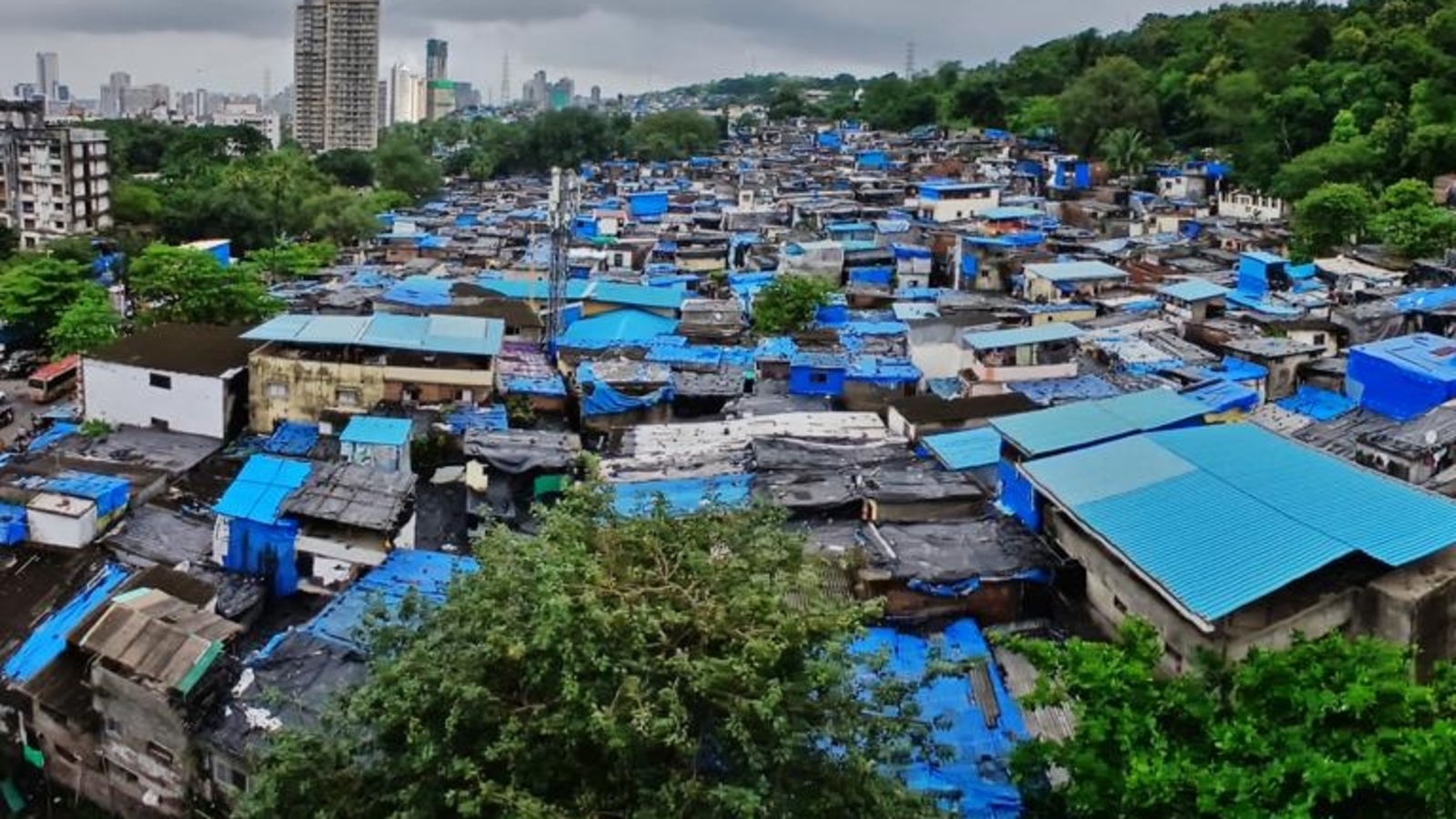
The draft policy, presented by the vice-president of MHADA to industry representatives, proposes a 50% reduction in development charges and a mechanism to return local body fees to housing societies for maintenance. Long-term leases, public-private partnerships, and hybrid models are being encouraged, alongside provisions allowing developers to exit projects by selling units either to tenants or on the open market. “This initiative is designed to make rental housing a viable option for migrants, students, working women, labourers, tourists, and economically weaker groups, offering an alternative to slum settlements,” a senior MHADA official explained. The policy also prioritises sustainability, with a focus on urban planning that accommodates high-density housing without compromising green spaces or long-term environmental goals.
Housing experts point to one of the sector’s biggest challenges: protracted dispute resolution in rental leases, which currently averages five to fifteen years. Approximately two-thirds of cases extend beyond five years, creating uncertainty for both tenants and owners. The proposed policy includes the development of a dedicated rental housing portal to provide transparent information and facilitate faster dispute resolution. MHADA and CIDCO currently hold substantial unsold inventories, with 44% of Maharashtra’s 21 lakh vacant homes located in the MMR. The government plans to build 30 lakh homes by 2030, with MHADA responsible for 8 lakh, encompassing both rental and ownership housing. Cluster redevelopment initiatives have also been approved for MHADA layouts above 20 acres, streamlining approvals and requiring consent only from housing societies rather than individual residents.
Industry experts emphasise that these measures could unlock the potential of Mumbai’s rental market while supporting inclusive and equitable urban growth. Financial incentives, streamlined approvals, and integrated technology platforms are expected to encourage private investment and improve housing accessibility for vulnerable populations. As Mumbai seeks to balance economic expansion with equitable urban development, rental housing is emerging as a strategic solution. By fostering sustainable and flexible housing options, the city can meet growing demand while ensuring long-term social and environmental resilience.
Maharashtra Launches Rental Housing Scheme To Address Urban Housing Shortage