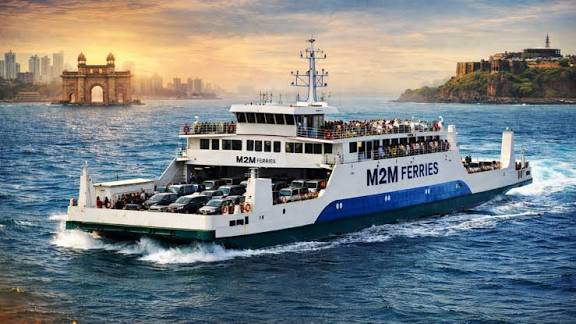
In a significant push for coastal connectivity and tourism infrastructure, the Maharashtra Ports Department has initiated a roll-on/roll-off (Ro-Ro) ferry service between Mumbai and Vijaydurg set to commence on 1 March 2026, offering travellers a quicker and less congested alternative to the 10-plus-hour road journey along the Mumbai–Goa corridor. The new service is projected to cut travel time by approximately three hours, easing pressure on highways while energising regional tourism and commerce ahead of the Shimga (Holi) festival.
The high-speed ferry — operated by M2M Ferries — will depart from Bhaucha Dhakka (Ferry Wharf) in Mumbai and traverse the Arabian Sea to reach Vijaydurg in Sindhudurg district in about seven hours, compared with the often slow and traffic-prone overland trip on the NH-66 corridor. Passengers will also be able to carry their own vehicles onboard, offering flexibility for onward travel within the Konkan region.Transport experts underscore that this initiative represents more than just a new travel option. By unlocking maritime connectivity along Maharashtra’s expansive coastline, planners see potential for decongesting road networks, reducing emissions associated with long highway commutes, and supporting local economies in the Konkan hinterland — a region rich in beach tourism, historical sites and agricultural produce.
The pilot phase of the service will feature eight sailings from each port over 16 days in March, allowing authorities to gauge passenger demand, operational challenges and commercial viability before decisions on scale-up or permanent scheduling. Regulatory clearances from authorities including the Directorate General of Shipping, Maharashtra Maritime Board and the Mumbai Port Authority have been obtained as part of preparatory work.For local communities and tourism stakeholders, the timing of the launch could be particularly strategic. The Konkan coast sees high recreational travel during festival peaks and summer months, and a traffic-free maritime route could make weekend getaways and regional travel more predictable and comfortable. Businesses such as homestays, hotels and transport operators are already positioning themselves to benefit from increased footfall and expanded travel options.
However, transport economists caution that success will depend on more than speed alone. Ticket pricing, last-mile road connectivity from the port terminals, and service reliability — especially during monsoon months with rougher sea conditions — will be key determinants of long-term adoption. Aligning ferry operations with integrated transport plans that include road upgrades and rail network linkages may further enhance the utility of the service for regular commuters and freight support.
The new Ro-Ro ferry reflects a broader trend in Maharashtra of using maritime routes to complement land-based infrastructure, easing pressure on highways while opening sustainable, scenic travel corridors that benefit both residents and visitors.