Maharashtra has outlined an expansive infrastructure and governance roadmap aimed at improving regional connectivity, urban mobility and household affordability, as the state government signalled a renewed focus on long-term economic competitiveness and everyday cost relief for citizens.
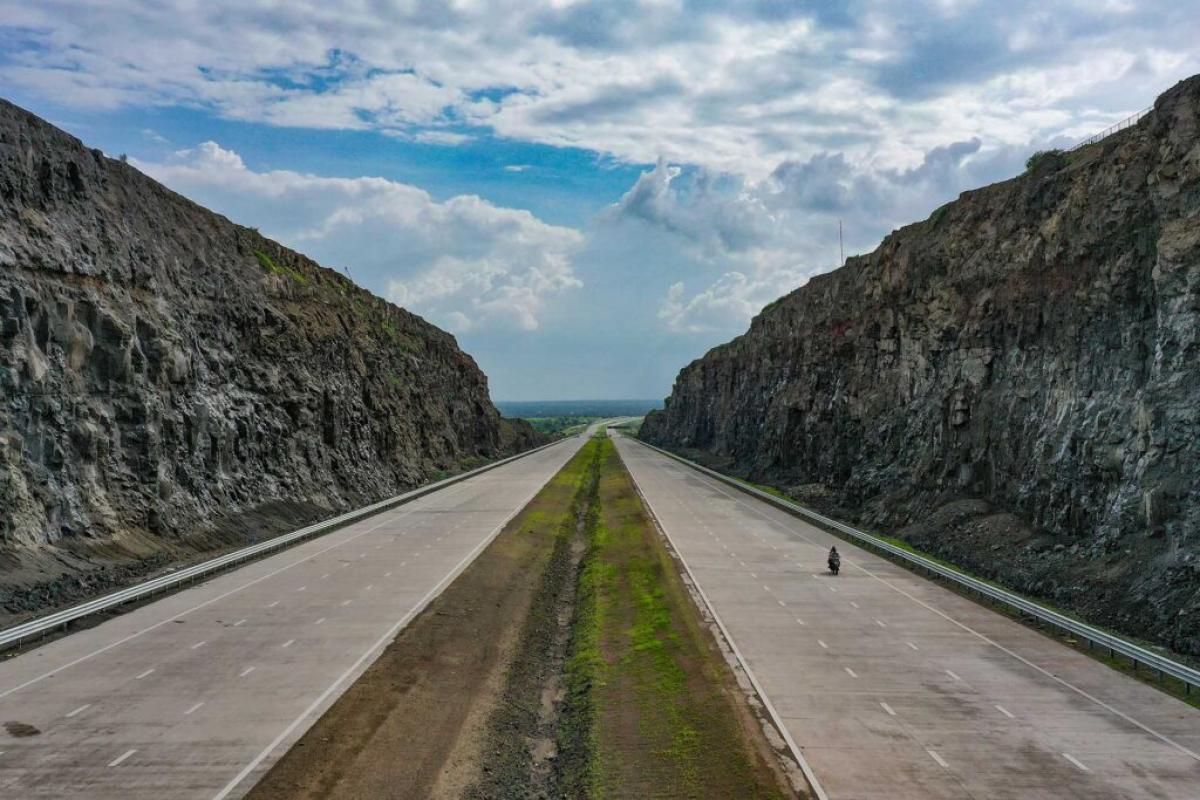
Responding to the concluding debate of the state legislature’s winter session, the chief executive of the state announced a series of initiatives spanning expressway development, metro rail expansion, power tariff reforms and regional economic hubs. Officials said the package reflects an effort to synchronise large infrastructure investments with measurable improvements in quality of life, particularly in fast-growing urban regions. At the centre of the connectivity push is a proposed access-controlled expressway linking Mumbai and Hyderabad through central Maharashtra. The 450-kilometre corridor is designed to significantly shorten travel distances and cut journey times across multiple districts. Transport planners say the route could reshape freight and passenger movement between western and southern India, while also unlocking economic opportunities in districts currently dependent on slower road networks. Improved links to major bridges and planned tunnels are expected to bring peripheral suburbs closer to Mumbai’s core, easing pressure on existing highways.
Urban mobility featured prominently, with the government committing to rapid expansion of metro rail systems. Mumbai’s operational metro network, currently under 100 kilometres, is set to cross 130 kilometres within two years, with a target of adding substantial new corridors annually. Comparable expansions are underway in Pune and Nagpur, reinforcing metro rail as a backbone for low-emission mass transit. Urban transport experts note that sustained metro expansion is critical for reducing congestion, lowering transport-related emissions and improving access to jobs across income groups. Beyond transport, the government highlighted improvements in policing efficiency and emergency response, alongside stronger cybercrime enforcement capacity. Officials said investments in technology and procedural reforms have helped speed up response times and improve case resolution, particularly in crimes affecting vulnerable groups. While challenges remain, the emphasis on faster trials and coordinated enforcement was positioned as part of broader urban safety reforms.
On the cost-of-living front, the announcement of phased annual reductions in domestic electricity tariffs marked a notable policy shift. Energy analysts said predictable tariff reductions could provide households with relief at a time of rising urban expenses, while also encouraging utilities to improve efficiency and integrate cleaner energy sources. Regional development initiatives were also outlined, including a new business district planned in central Maharashtra and an aviation training hub aimed at skill development and job creation. Planners say dispersing economic activity beyond traditional metros could ease migration pressures while supporting more balanced urban growth.
Taken together, the announcements point to a governance approach that links infrastructure scale with sustainability, affordability and inclusion. For Maharashtra’s cities, the challenge now lies in execution—ensuring that ambitious plans translate into accessible mobility, lower emissions and tangible benefits for everyday urban life.
Maharashtra Launches Mumbai Hyderabad Expressway Metro Expansion And Consumer Power Tariff Cuts