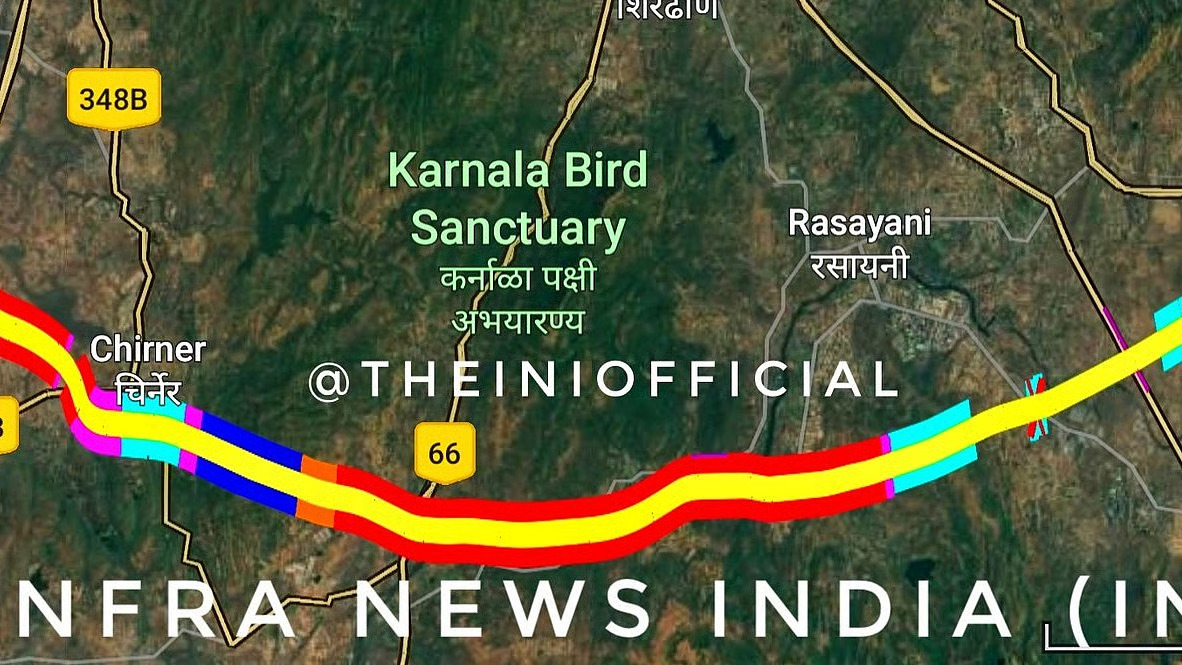
A critical road infrastructure project aimed at improving port-led connectivity in the Mumbai Metropolitan Region is advancing towards execution, with bidding scheduled to begin in April and regulatory approvals underway. The development underscores a broader push to strengthen freight efficiency and regional mobility through high-capacity corridors.
The Pagote Chouk Expressway is designed as a strategic connector linking Jawaharlal Nehru Port to key national highways, including the Mumbai–Pune Expressway and the Mumbai–Goa corridor. By creating a direct, access-controlled route, the project is expected to ease congestion on existing arterial roads that currently serve mixed traffic, particularly heavy cargo movement. Officials indicate that the Pagote Chouk Expressway will play a pivotal role in streamlining logistics operations associated with port activity. As India’s largest container port continues to handle growing cargo volumes, efficient evacuation routes are becoming essential to reduce turnaround times and improve supply chain reliability. Faster connectivity to inland industrial hubs is also expected to lower transportation costs and support trade competitiveness.
The corridor, planned as a six-lane greenfield alignment spanning close to 30 kilometres, incorporates complex engineering features to maintain uninterrupted flow. These include multiple bridges, elevated viaducts, and twin tunnels designed to navigate varied terrain while ensuring safety and speed. Infrastructure specialists note that such design elements are increasingly standard in modern expressways, reflecting a shift towards resilient, all-weather connectivity. Regulatory processes, including coastal zone clearances, are progressing in parallel with bid preparations. Urban planners point out that balancing infrastructure expansion with environmental safeguards remains a key challenge, particularly in coastal regions where ecological sensitivity is high. Ensuring compliance at the planning stage is seen as crucial for minimising long-term environmental risks.
Beyond logistics, the Pagote Chouk Expressway is expected to influence regional development patterns. Improved connectivity typically catalyses growth in warehousing, logistics parks, and ancillary industries along transport corridors. This could generate employment opportunities and stimulate economic activity in surrounding areas, provided development is guided by structured land-use planning. The project also carries implications for passenger mobility. Once operational, it is expected to reduce travel time between Pune and Navi Mumbai, enhancing connectivity to emerging infrastructure nodes such as the trans-harbour link. This could further integrate regional travel networks and expand commuting possibilities across the metropolitan region.
Experts caution, however, that infrastructure-led growth must be aligned with sustainable planning principles. Integrating green mobility solutions, managing land use responsibly, and ensuring ecological balance will be key to maximising long-term benefits. As the project moves into the bidding phase, its timely execution will be critical in addressing growing transport demand. For Maharashtra, the Pagote Chouk Expressway represents a significant step towards building a more efficient, resilient, and future-ready infrastructure network that supports both economic growth and sustainable urban development.
Maharashtra JNPT Link Expressway Project Moves Towards Bidding