Maharashtra has taken another step towards strengthening its electricity transmission network with the incorporation of a dedicated project entity for a high-capacity power substation. The move signals the state’s continued focus on grid resilience, renewable energy integration, and reliable power supply for rapidly growing urban and industrial regions.
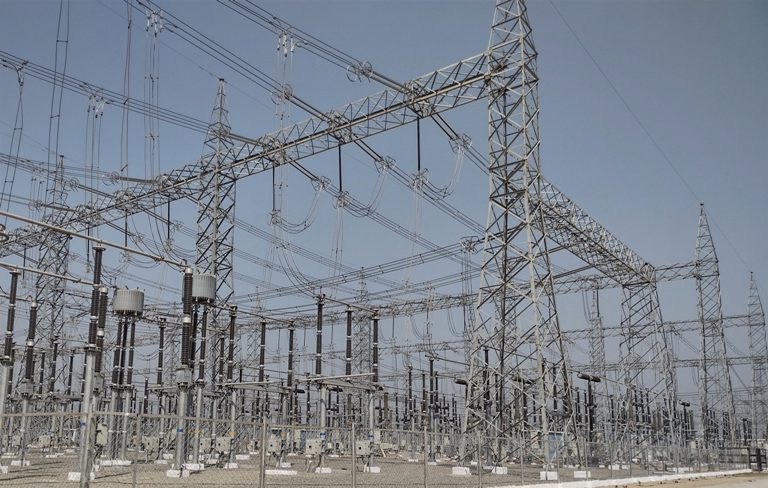
A government-owned power development and consultancy agency has incorporated a wholly owned special purpose vehicle to develop a 765 kilovolt air-insulated substation in Maharashtra. The project will be implemented under the tariff-based competitive bidding framework, a model designed to attract private investment while ensuring cost efficiency and transparent procurement. Industry experts say the substation will play a critical role in easing transmission bottlenecks across the state. Maharashtra’s electricity demand has been rising steadily due to urban expansion, new industrial clusters, and increasing electrification of transport and housing. High-voltage substations are essential to move power efficiently across long distances, reduce losses, and support stable supply to cities and peri-urban regions.
Officials involved in the process said the creation of a standalone project entity allows for clearer risk allocation, faster bidding, and smoother execution. Under the competitive bidding mechanism, developers will bid for the project based on tariffs, encouraging innovation and long-term operational efficiency. This approach has increasingly become the preferred route for large transmission projects across India. From a sustainability perspective, the project is also expected to support Maharashtra’s clean energy ambitions. As more renewable power is added to the grid, particularly from solar and wind sources located far from demand centres, robust transmission infrastructure becomes critical. A senior power sector expert noted that modern substations are no longer just about capacity but about flexibility, grid stability, and readiness for a low-carbon energy mix.
Urban planners highlight that reliable electricity infrastructure underpins equitable city development. Stable power supply supports public transport systems, affordable housing, healthcare facilities, and digital services, all of which are central to inclusive urban growth. By strengthening the backbone of its power network, Maharashtra is laying groundwork for cities that are more resilient to climate risks and future demand shocks. The substation project is expected to move into the bidding phase in the coming months, with construction timelines linked to demand projections and regional load requirements. Once operational, it is likely to enhance power security not only for major cities but also for emerging industrial and logistics corridors across the state.
Maharashtra Incorporates SPV For 765kV AIS Substation Under TBCB Mechanism