


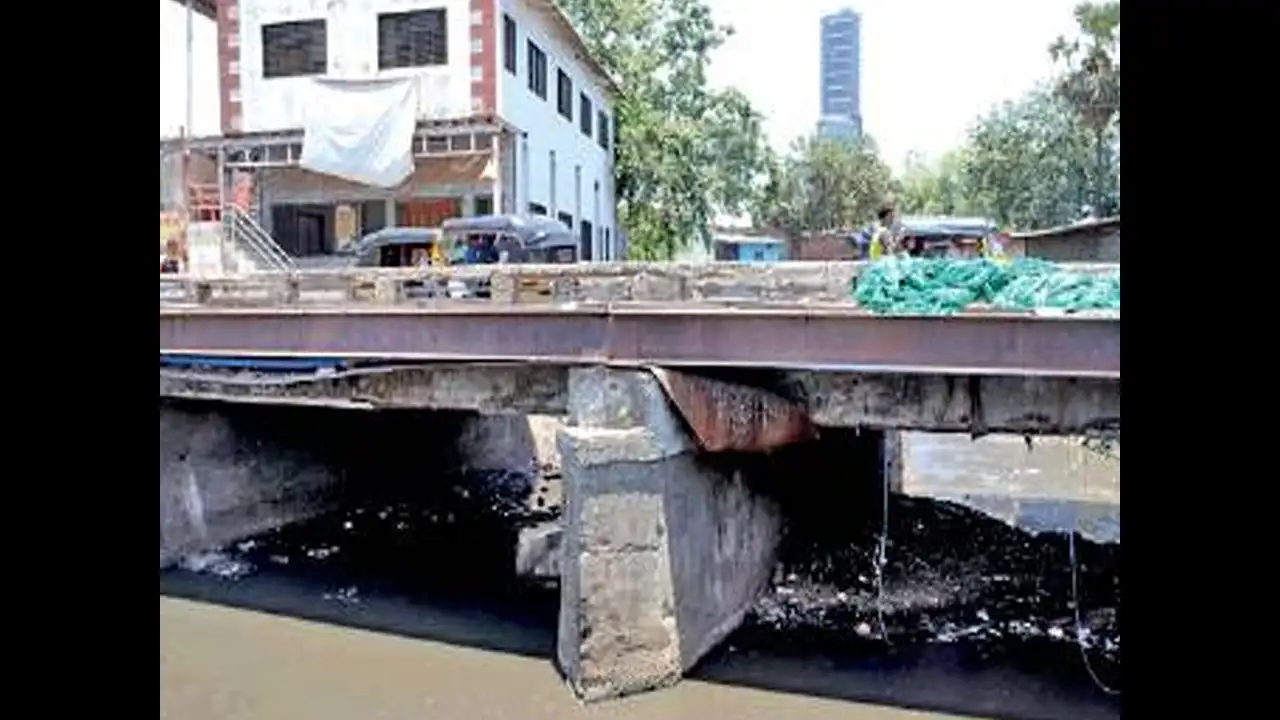
Four bridges across Maharashtra have been categorised as “very dangerous” following a comprehensive structural audit of 16,395 bridges conducted by the state’s public works department. The disclosure, made during the ongoing state assembly session, has triggered concern over the integrity of critical transport infrastructure, especially in light of recent incidents of bridge collapses, including the one over the Indrayani River near Pune.
According to officials, the audit was launched to assess the physical and structural health of road and river bridges across districts, and to classify them based on safety parameters. The revelation that four structures have been flagged for immediate attention has raised urgent questions about inspection cycles, repair timelines, and the capacity of local bodies to act swiftly to prevent failures. The structural audit is part of a broader state initiative to strengthen bridge monitoring following multiple high-profile incidents involving infrastructure failures in recent years. Public works department representatives stated that the government has not only completed inspection of over 16,000 bridges but also identified eight more that require urgent evaluation, the outcome of which will determine whether those bridges are to be repaired or completely rebuilt.
Infrastructure experts say that this level of audit was long overdue in a state with a rapidly expanding road network and a monsoon-prone climate that puts tremendous stress on civil structures. The concerns have been amplified by the increasing age of many bridges built during earlier development phases without contemporary engineering standards or routine maintenance protocols in place. Sources within the public works department confirmed that bridges classified as “very dangerous” have either shown signs of foundational degradation, serious rusting in load-bearing elements, or advanced material fatigue. A senior official explained that the government will now prioritise action plans for each of these bridges, which could include total demolition and reconstruction in some cases.
The urgent need for such audits became more evident after the partial collapse of a decades-old bridge over the Indrayani River last month, which brought traffic between Pune and adjoining regions to a halt and renewed public scrutiny on how bridge safety is managed. While no casualties were reported, the event served as a wake-up call regarding the fragility of civil infrastructure under heavy usage and climatic pressure. Urban transport planners and civil engineers argue that Maharashtra’s ageing infrastructure needs a shift from reactive maintenance to proactive asset management. Many bridges built in the 1960s and 1970s are now well past their design lifespan and require comprehensive structural health monitoring using digital tools such as load sensors, corrosion scanners, and AI-based modelling to track stress and predict failures.
The revelation of unsafe bridges is especially concerning given Maharashtra’s importance as a logistical and commercial hub. With thousands of tonnes of goods and lakhs of commuters moving daily across bridges in Mumbai, Pune, Nagpur, Nashik and other urban centres, any collapse can cause severe economic and human disruption. Environmental experts have also flagged concerns about unregulated construction activity around riverbanks and culverts, which may compromise bridge stability. Encroachments near bridge foundations, illegal dumping, and obstructed water flow beneath bridges during heavy monsoon spells can weaken structures from below, leading to unpredictable failures.
The state’s public works machinery has come under increasing pressure to balance development with safety. In recent years, several infrastructure announcements have promised new roads and expressways, but budgets allocated toward retrofitting and repair of existing assets often remain inadequate or delayed. Public safety advocates are urging greater transparency in audit disclosures, with demands that the locations and current status of flagged bridges be made public. Civic organisations believe that sharing this information openly will help local communities remain informed and also apply pressure on contractors and authorities to accelerate action.
Officials clarified in the assembly that each bridge’s case would be evaluated independently and technically before any decision is taken. While demolition remains a last resort, some bridges may undergo partial closure and reinforcement works before being reopened to full traffic. In the interim, the department is preparing diversion plans and safety barricades at identified sites. Transport officials are also working with disaster management agencies to map vulnerable zones and identify bridges at risk of collapse during heavy rainfall or flooding. With July and August being the peak monsoon months, there is heightened urgency to complete pending audits and initiate preventive repairs across the state.
Experts believe that this incident presents an opportunity for the state to adopt a new approach to infrastructure safety, incorporating global best practices in predictive maintenance, regular load assessments, and investment in modern monitoring tools. While new roads and bridges continue to be built, there is an urgent need to ensure that the old ones are not left behind in the rush for expansion. As Maharashtra grapples with these revelations, the question is no longer whether audits are necessary—but how frequently, transparently, and comprehensively they are executed. For a state that is home to some of India’s largest urban centres and industrial corridors, infrastructure safety is not merely a policy concern but a matter of everyday public life.
Whether the next steps involve rehabilitation or reconstruction, what matters now is that they are carried out swiftly, scientifically, and in a manner that reassures the public that the roads they use daily are structurally sound.
Also Read : Mumbai Under Yellow Alert as IMD Predicts Heavy Rainfall Throughout the Day
