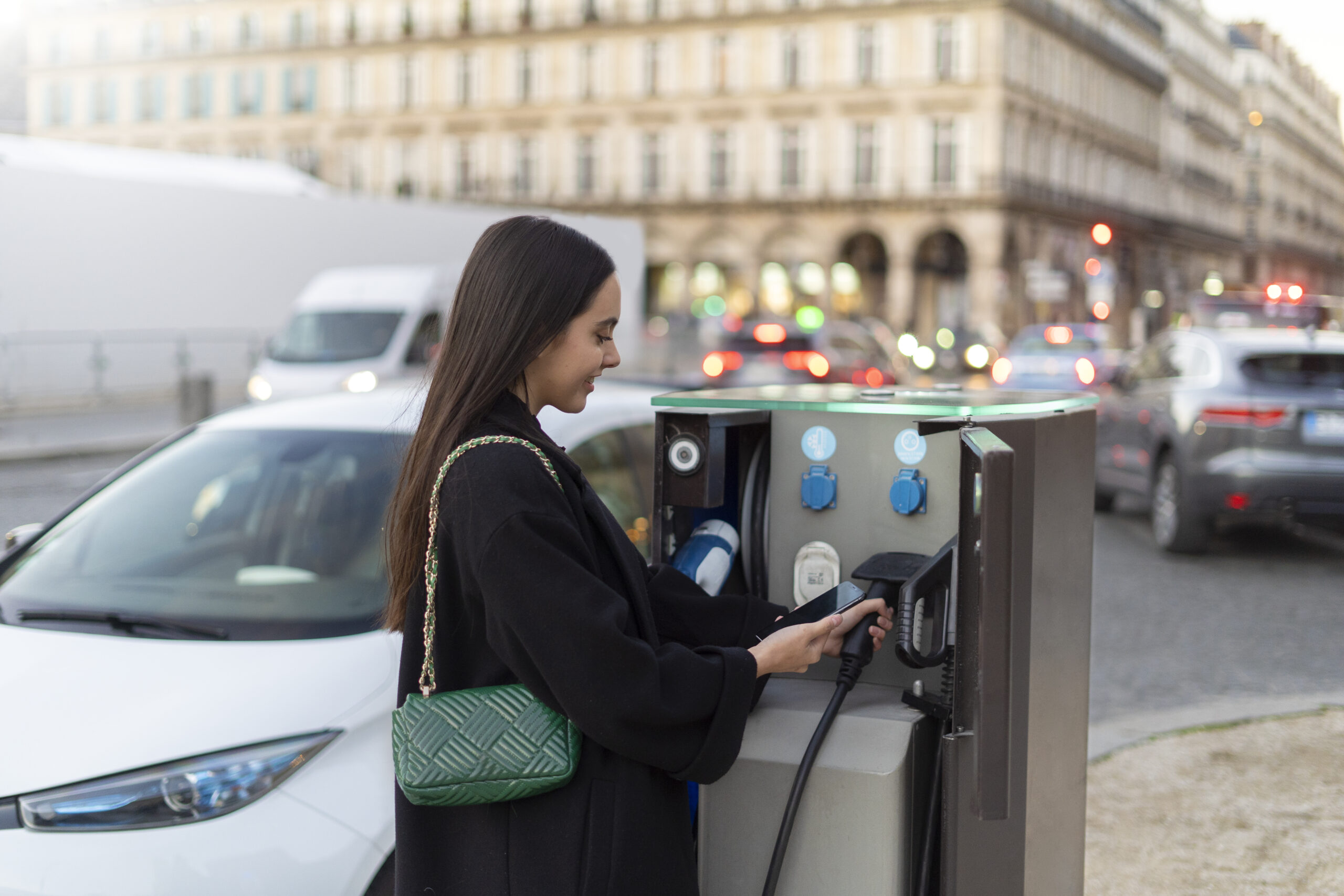
Maharashtra Highways Toll Free For Electric Vehicles
Maharashtra has introduced toll-free access for electric passenger cars and buses across major highways including the Atal Setu, Pune Expressway and Samruddhi Mahamarg, marking a significant step in its clean mobility push. The new policy, effective from Friday, aims to make sustainable travel affordable while accelerating the state’s transition towards zero-emission transport.
Officials confirmed that the waiver applies to private electric four-wheelers, state transport buses and city-based public transport e-buses. Electric goods carriers, however, are excluded from the scheme. The initiative is part of the state’s electric vehicle policy announced earlier this year, designed to reduce dependence on fossil fuels and promote climate-friendly mobility options.
Mumbai already hosts a fast-growing fleet of more than 43,000 registered EVs across categories, including nearly 13,000 electric cars and 25,000 e-bikes. With growing adoption, the toll exemption is expected to ease the financial burden on commuters, support public bus operators and encourage more motorists to switch to clean energy vehicles. Transport experts note that the move is particularly impactful along the Atal Setu, which carries over 60,000 vehicles daily and links Mumbai to the Pune Expressway, as well as on the Samruddhi Mahamarg, a vital corridor for long-distance travel and freight. By exempting electric passenger traffic from toll charges, officials believe more urban and intercity travellers will choose eco-friendly alternatives over conventional fuel vehicles.
The policy also signals the state’s long-term sustainability roadmap. Authorities are targeting 30 per cent of all new vehicle registrations to be electric in the coming years. Targets include 40 per cent adoption for two- and three-wheelers, 30 per cent for private cars and SUVs, 50 per cent for aggregator cabs and 15 per cent for buses. If achieved, officials estimate a reduction of one million tonnes of greenhouse gas emissions and 325 tonnes of PM 2.5 emissions by 2030. A key challenge, however, remains the availability of robust charging infrastructure. Officials acknowledged that the success of toll waivers will depend on reliable charging facilities across highways and urban centres. Plans are underway to set up fast-charging points at fuel stations, state transport depots and urban bus stands. Memoranda of understanding with petrol pump operators are being finalised to install four to five chargers at each outlet. This, officials argue, will ease range anxiety and build confidence among prospective EV buyers.
For a city like Mumbai, where traffic congestion and air pollution pose daily challenges, the toll waiver provides both symbolic and practical value. By supporting cleaner commutes and reducing emissions from public and private transport, the policy aligns with broader goals of building sustainable, resilient and equitable cities. Analysts suggest that the state’s decision could inspire similar incentives across India, where affordability and infrastructure remain the primary hurdles for EV adoption. The toll exemption, therefore, is not only an economic relief for commuters but also a decisive statement in India’s green mobility transition.