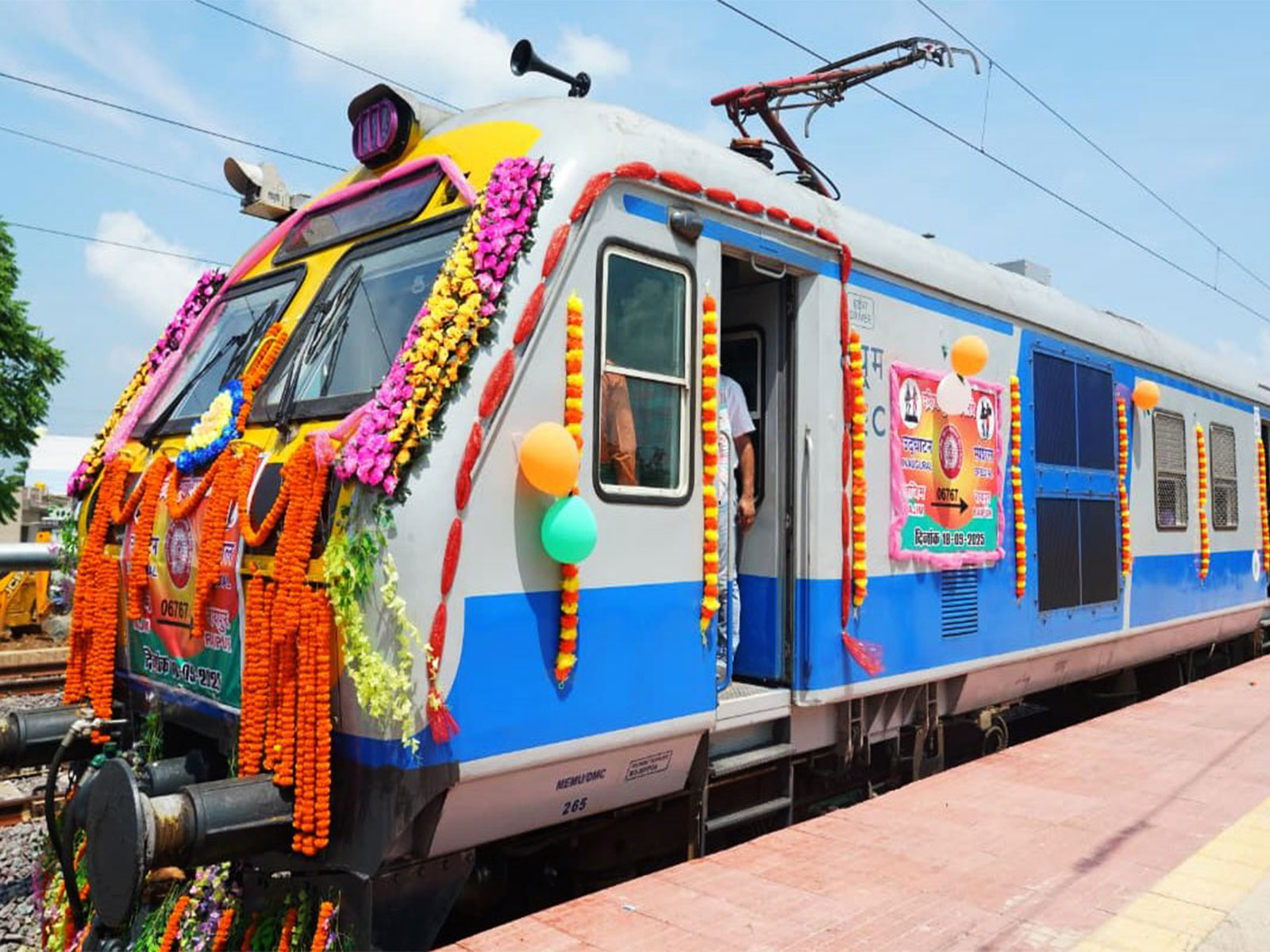
The Cabinet Committee on Economic Affairs (CCEA), chaired by the Prime Minister, has approved two major multitracking projects across Maharashtra and Gujarat, adding nearly 224 kilometres to the existing railway network at an estimated cost of Rs 2,781 crore. The projects are expected to enhance regional connectivity, improve freight and passenger movement, and support sustainable development across the western railway corridor.
The first initiative involves doubling the 141-kilometre Devbhumi Dwarka–Kanalus section in Gujarat, while the second project focuses on adding the third and fourth tracks on the 32-kilometre Badlapur–Karjat stretch in Maharashtra. An official from the Ministry of Railways highlighted that these projects will not only strengthen transport capacity but also contribute to regional economic self-reliance by generating employment and supporting local industries. Planned under the PM Gati Shakti National Master Plan, the projects aim to integrate multimodal transport solutions, optimise logistics, and streamline freight movement. Once completed, the upgrades are expected to benefit approximately 585 villages, serving a population of nearly 32 lakh. The Gujarat line, connecting to the Dwarkadhish temple, is anticipated to improve accessibility for pilgrims while stimulating local tourism and commerce.
In Maharashtra, the Badlapur–Karjat section forms a crucial corridor within the Mumbai suburban network. Expanding this section will ease passenger congestion, meet future demand, and facilitate efficient transport of commodities including coal, cement, petroleum products, and containers. “Enhancing capacity along these corridors is critical to sustaining Mumbai’s growing suburban and freight traffic while reducing travel times and congestion,” a senior railway official noted. From a sustainability perspective, the projects are designed to reduce environmental impact. The Railways anticipate a reduction of nearly 3 crore litres in oil imports annually and a decrease of approximately 16 crore kilograms in CO₂ emissions, equivalent to planting over 64 lakh trees. Industry experts emphasise that investment in energy-efficient rail transport aligns with India’s broader climate goals and contributes to the transition toward net zero urban development.
The projects are expected to stimulate regional growth, with improved transport links supporting industrial, commercial, and tourism sectors. “Strategic infrastructure development is central to equitable urban and rural integration, ensuring residents gain access to employment, services, and opportunities,” an urban planner said. With these multitracking initiatives, Maharashtra and Gujarat are set to achieve smoother passenger travel, enhanced freight efficiency, and environmentally conscious mobility—critical elements in building sustainable, connected cities for the future.
Maharashtra Gujarat Rail Projects Expand Network By 224 Kilometres