Pune Coordinated Action Ordered For Industrial Infrastructure Issues
The Maharashtra government has given its ‘in-principle’ approval for the merger of six cantonment boards with their respective municipalities. This pivotal move signifies a major step towards more integrated urban planning and aims to streamline governance and civic service delivery across previously fragmented zones. This decision is poised to significantly benefit areas like Pune, where the municipal corporation’s jurisdiction will expand, reflecting a broader state-level commitment to unified and equitable urban development.
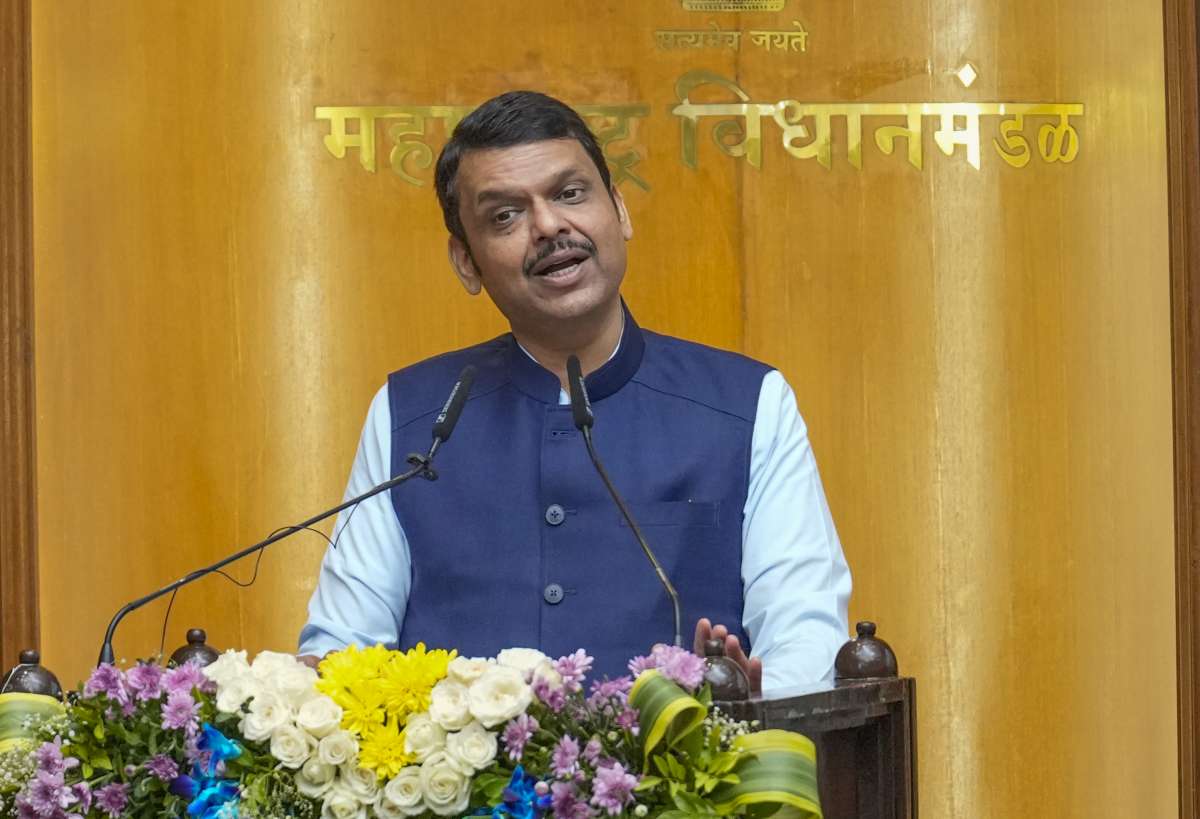
The significant approval came during a high-level meeting chaired by Chief Minister Devendra Fadnavis on Thursday, concluding discussions that had spanned over five years. Of Maharashtra’s seven cantonment boards, six are slated for integration, with the Dehu Road Cantonment notably retaining its independent status due to critical security and strategic considerations. As a key component of this decision, the Pune Cantonment and Khadki Cantonment are specifically designated to merge with the Pune Municipal Corporation (PMC), which will see its jurisdiction expand by approximately 1.65 square kilometres. Both the state government and the defence ministry have already provided their consent for this integration.
Officials indicate that the entire merger process is anticipated to be finalised within the next three months, with the proposal now moving to the central government for final clearance. Given that the Centre initially proposed these mergers, state officials anticipate no significant hurdles in securing the necessary approvals. The meeting saw attendance from various key ministers and top civic and defence officials, underscoring the comprehensive nature of this administrative reform.
Officials confirmed that both the Chief Minister and the Defence Ministry have approved the Pune and Khadki cantonment mergers with the PMC. He outlined that while formalities are expected to be completed swiftly, the roles of the defence department and the civic body will be clearly delineated. Defence authorities will continue to oversee sensitive establishments, while the PMC will assume full responsibility for civic services in civilian areas. This ensures that PMC’s development norms will apply, leading to more uniform and equitable service delivery for residents. This consolidation supports holistic urban planning, enabling more efficient resource allocation for sustainable projects like integrated waste management and enhanced public infrastructure across expanded municipal limits, benefiting all citizens.