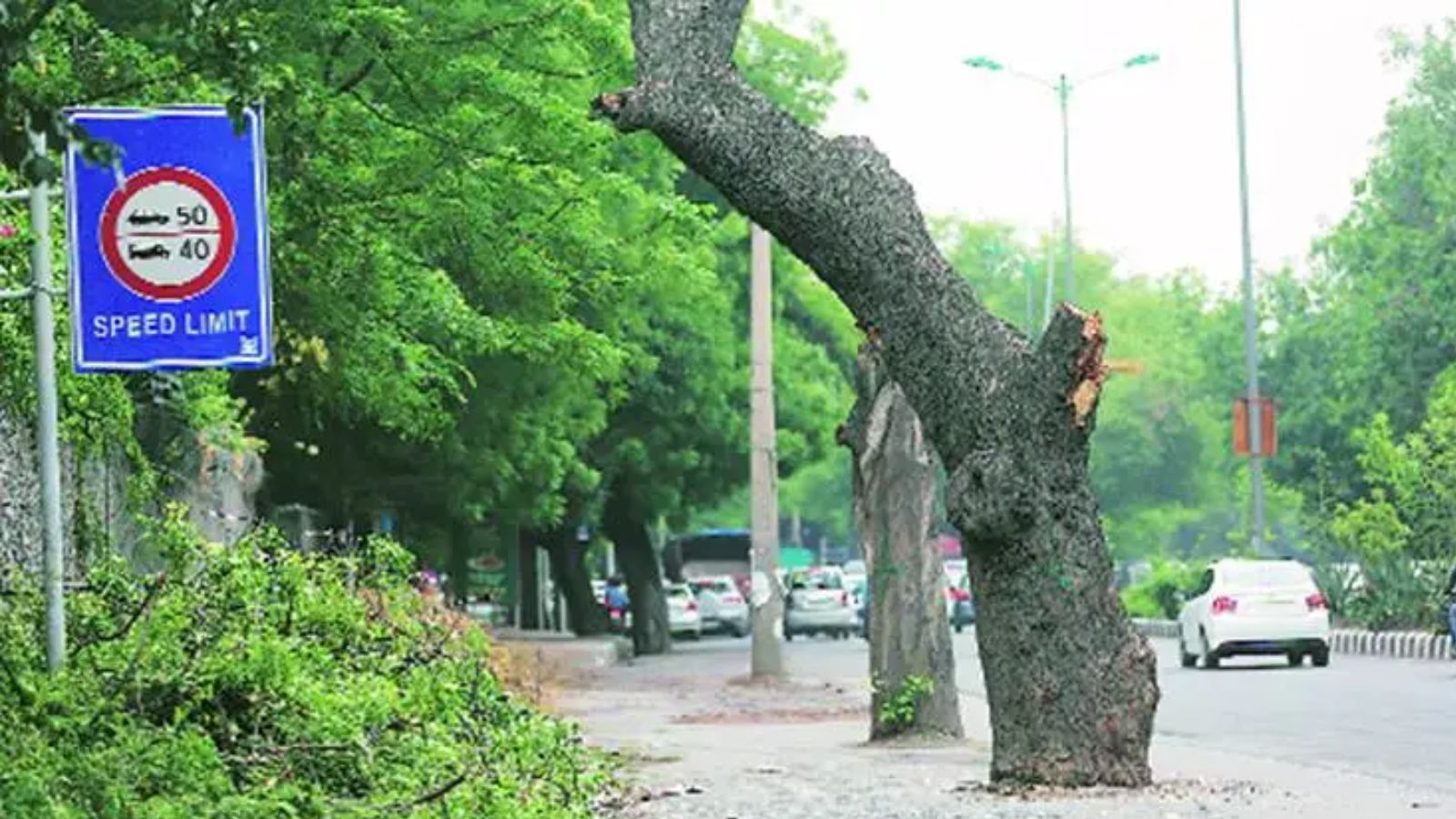
The Maharashtra government has sanctioned the removal of 382 trees to facilitate the Eastern Freeway expansion between Mulund and Anand Nagar in Thane, a strategic initiative to improve traffic connectivity along the Eastern Express Highway. Urban Development Minister Eknath Shinde informed the Legislative Assembly that a joint survey by BMC and MMRDA officials determined the number of trees that could be felled, preserved, or replanted, balancing urban development with ecological considerations.
The survey covered 1,652 trees along the proposed alignment. Of these, 382 trees will be cut, 341 earmarked for replanting, and the remaining 929 trees are unaffected. The BMC conducted a public hearing to review objections and suggestions before finalising the plan, reflecting procedural transparency in urban development initiatives. The Eastern Freeway extension, spanning from Chheda Nagar to Anand Nagar, Thane, aims to alleviate congestion on the Mumbai-Thane route and provide seamless connectivity to the Samruddhi Highway. According to officials, commuters are expected to save 25–30 minutes on travel between South Mumbai and Thane. Reduced stoppages will also lower fuel consumption, cut greenhouse gas emissions, and improve air quality, supporting the city’s sustainable mobility goals.
Enhanced road connectivity is expected to boost emergency response efficiency for ambulances, fire services, and police vehicles. Industrial and commercial movement is also projected to benefit, potentially driving economic growth along the corridor. “While the project will support traffic efficiency and economic activity, steps have been taken to maintain ecological balance,” said a senior urban planning official. The MMRDA plans to plant approximately 7,500 new trees to increase green cover in the affected zones, offsetting the ecological impact of tree removal. Environmental activists have raised concerns over tree felling along the freeway. In 2017–18, members of the Green Umbrella Organisation staged a tree-hugging protest along the Eastern Express Highway, planting over 200 saplings to safeguard the local ecosystem. Activists emphasised that while they support infrastructural development, long-term stewardship of urban greenery is crucial for sustainable city growth.
Urban planners argue that the project exemplifies the delicate balance between infrastructure expansion and environmental preservation. By integrating tree replanting and green cover augmentation into freeway planning, authorities aim to ensure that urban mobility improvements do not come at the cost of environmental sustainability. As Mumbai’s population grows and traffic pressures intensify, initiatives like the Eastern Freeway expansion demonstrate the challenges of urban development in dense metropolitan regions, highlighting the need for a pragmatic approach to balancing growth, sustainability, and ecological stewardship.
Maharashtra Govt Approves Tree Felling For Eastern Freeway Expansion