


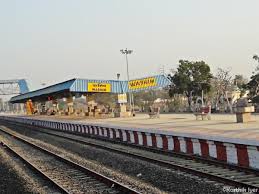
The Ministry of Railways has formally approved the construction of a crucial new rail line connecting Rahuri to Shani Shingnapur in Maharashtra.
This 21.84-kilometre railway link, sanctioned at an estimated cost of Rs 494.13 crore, marks a significant infrastructure development aimed at enhancing connectivity to one of the state’s most revered spiritual destinations. The project underscores a strategic governmental commitment to facilitating smoother movement for pilgrims and tourists while simultaneously stimulating local economic growth, aligning with broader objectives of regional development and sustainable transit. Shani Shingnapur, a prominent religious site, currently experiences a remarkable daily footfall of between 30,000 to 45,000 devotees. Despite this substantial visitor count, the spiritual hub has historically lacked direct rail connectivity, posing a logistical challenge for both pilgrims and the local economy. The newly approved rail line is set to bridge this crucial gap, offering a direct and convenient mode of transport for devotees, particularly those originating from Rahuri and its surrounding regions. This direct access is expected to significantly reduce travel times and improve the overall pilgrimage experience, fostering a more equitable access to cultural and religious sites.
Beyond its immediate impact on Shani Shingnapur, the proposed rail line is strategically poised to catalyse tourism across a wider array of religious and tourist attractions in the region. These include the globally renowned pilgrimage site of Shirdi, the Rahu-Ketu Temple in Rahuri, the ancient Mohini Raj Temple in Nevasa, and the culturally significant Pais Khamb Karaveereswar Temple, also in Nevasa. By weaving these sites into a more accessible rail network, the project is expected to create a synergistic effect, boosting local tourism revenues, generating employment opportunities, and stimulating overall economic prosperity in these areas. This enhanced connectivity will not only benefit the spiritual economy but also contribute to the economic resilience of the surrounding rural and semi-urban communities. The Detailed Project Report (DPR) for this rail line is ambitious, proposing the operation of four pairs of passenger trains daily. This operational capacity is projected to cater to an impressive annual ridership of 18 lakh passengers, indicating a high demand for enhanced connectivity to these spiritual destinations. The investment in this rail infrastructure not only addresses a long-standing connectivity gap but also demonstrates a forward-looking approach to integrating spiritual tourism with modern transportation networks, ensuring that cultural heritage sites are accessible without compromising environmental sustainability. Rail transport, being a lower-carbon emission alternative, aligns well with the broader goal of eco-friendly cities.
The construction of this new rail line represents a tangible commitment to strengthening Maharashtra’s internal connectivity, which is vital for facilitating regional economic development. Improved transportation linkages are critical for the efficient movement of goods and people, fostering trade, and unlocking the economic potential of hitherto less accessible regions. The project will also necessitate robust construction practices and materials to ensure the long-term viability and safety of the line, considering the regional climatic conditions and the importance of resilient infrastructure. This rail development in Maharashtra is a testament to the ongoing national focus on upgrading and expanding India’s vast railway network. Such projects are instrumental in contributing to the vision of smart, sustainable cities and interconnected regions, where efficient public transport acts as a backbone for economic activity and social mobility. The Rahuri-Shani Shingnapur rail line is not merely a transport corridor; it is an investment in cultural preservation, regional prosperity, and the continued integration of India’s diverse landscapes through modern, accessible infrastructure.
The anticipated benefits, both spiritual and economic, are set to transform this corridor into a vibrant and well-connected region.
Also Read: Mumbai rail block slows trains on May 24 and 25
