


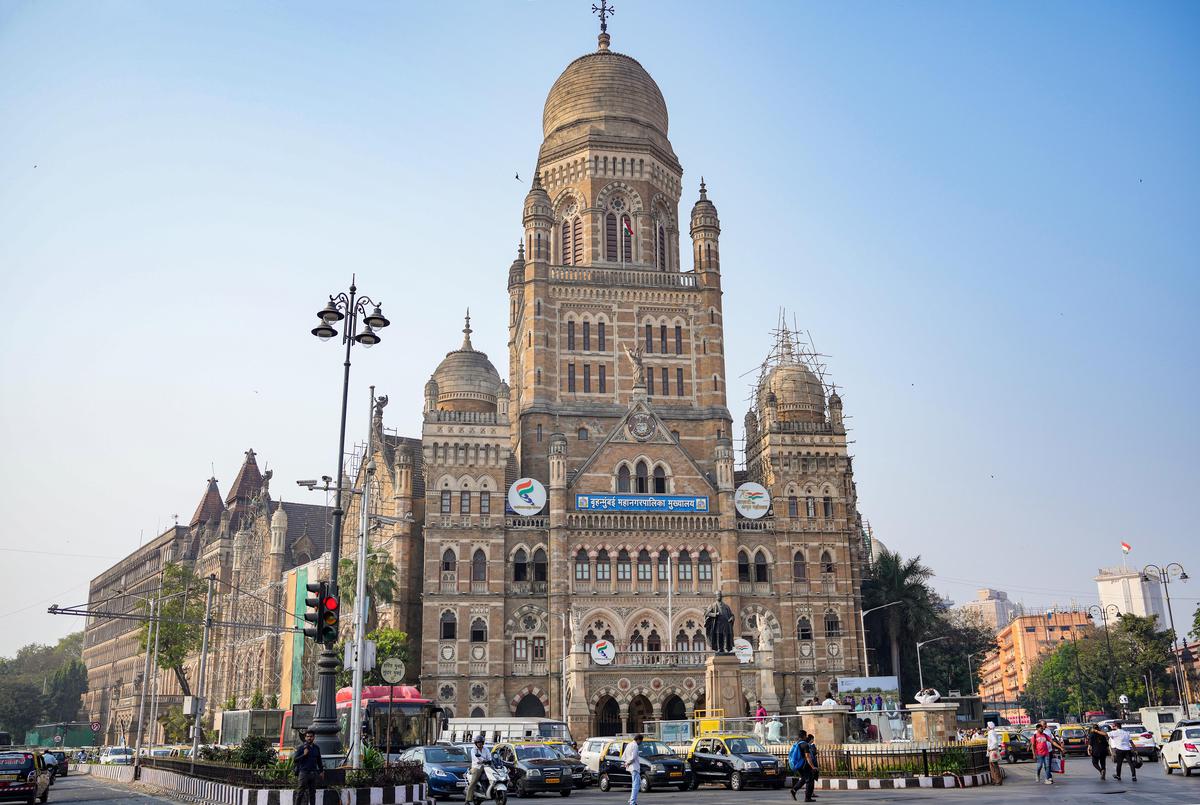
After nearly five years, Maharashtra is preparing to hold local body elections across 246 municipal councils and 42 Nagar Panchayats — a move expected to significantly reshape the state’s urban development and political balance. The polls, long overdue, are seen as pivotal in determining how smaller but fast-growing towns plan their infrastructure, governance, and sustainable growth over the next five years.
Since 2020, these local bodies have been managed by state-appointed administrators due to postponed elections, concentrating decision-making power within the state government. The upcoming polls will restore control to locally elected representatives, marking a return to grassroots governance and democratic participation. Officials noted that decentralisation is essential for effective urban management, especially as smaller towns increasingly face challenges linked to rapid population growth and inadequate civic infrastructure. For citizens, the elections represent more than a political event — they are an opportunity to directly influence local priorities such as waste management, water supply, affordable housing, and transport. “Local bodies are the first responders in urban planning. Empowering them through elections ensures policies align with community needs,” said an urban governance expert.
The polls will also serve as a litmus test for major political parties ahead of the much-anticipated municipal corporation elections in Mumbai, Pune, Thane, and Nagpur. Control over these smaller councils will provide parties with not just electoral influence but also administrative leverage — including authority to issue critical clearances like building permits, occupancy certificates, and no-objection certificates that shape local development. Districts such as Thane and Raigad are expected to witness closely contested battles. Towns like Kulgaon-Badlapur, Ambernath, Alibag, and Karjat have experienced rapid expansion, driven by infrastructure connectivity and real estate growth. Winning control in these regions could allow parties to direct development funding and influence long-term planning agendas.
Beyond their political implications, these elections could define how Maharashtra’s smaller cities approach sustainability and resilience. Urban planners highlight that empowered local governments are key to implementing climate-conscious infrastructure, regulating urban sprawl, and ensuring equitable access to basic amenities. Strengthened local governance could help towns integrate smart mobility, renewable energy use, and inclusive public spaces into their future plans. As Maharashtra’s civic polls approach, the outcome will determine not only the state’s political realignment but also its urban trajectory through 2030 — shaping how towns evolve into sustainable, citizen-centric, and well-governed urban centres.
Also Read: Maharashtra Cabinet Clears Urban Health Commissionerate And Doubles Scheme Coverage Statewide
