


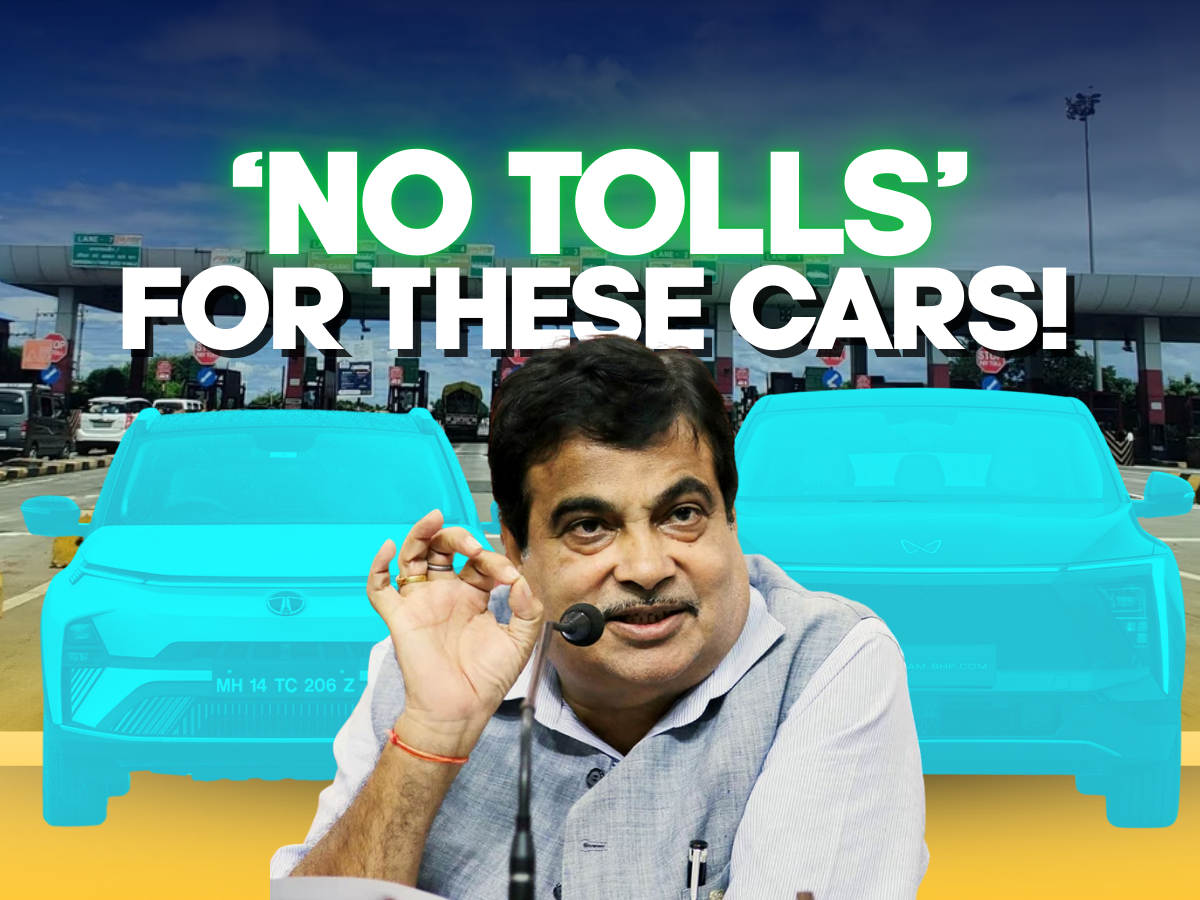
Maharashtra government has announced that from August 22, 2025, all eligible electric vehicles (EVs) will be exempt from toll charges on three crucial state routes: the Mumbai-Pune Expressway, the Mumbai-Nagpur Samruddhi Expressway, and the Atal Setu, also known as the Mumbai Trans Harbour Link. This move is expected to significantly reduce travel costs for EV owners and encourage a shift towards cleaner mobility.
Officials confirmed that the toll exemption applies to private electric cars, passenger electric vehicles, state-run electric buses, and urban public transport EVs. However, electric goods carriers will continue to pay applicable tolls. The government clarified that while these three highways will see complete toll waivers for specified EV categories, other state and national highways in Maharashtra will charge only 50 percent of regular tolls for electric vehicles, reflecting the state’s commitment to sustainable transportation. The announcement follows the April 2025 EV Policy, under which the state had already committed to promoting electric mobility through financial incentives and infrastructure support. Until now, toll operators continued charging EV owners despite the policy, causing disputes and frustration among vehicle owners. The new notification has mandated strict compliance from all toll booths across the state.
Experts in sustainable transport highlighted that the exemption will be particularly beneficial for commuters using the Atal Setu corridor, one of the costliest toll routes in Mumbai. Reducing toll expenses on high-traffic corridors is expected to enhance the cost-effectiveness of EV ownership, contributing to a rise in adoption. “This policy aligns with Maharashtra’s vision of cleaner urban transport, reduced fossil fuel dependency, and promoting sustainable mobility solutions,” said an official from the state transport department. Industry analysts note that the move could also bolster the electric vehicle market in India. Automakers such as Tata Motors, Mahindra Automotive, and MG Motor India already offer affordable EV models that will benefit from this policy. Enhanced cost savings for users, coupled with growing environmental awareness, is likely to increase demand and encourage first-time buyers to switch to electric vehicles.
The state government is closely monitoring EV adoption rates and plans to extend additional incentives in the future. While Maharashtra leads the initiative, other states may follow based on the results observed in terms of EV penetration, currently estimated at 7.8 percent nationally, with projections to reach 30 percent by 2030. Officials emphasised that such policy interventions are crucial for supporting India’s transition towards zero-emission transportation and building a sustainable urban mobility ecosystem. With this latest step, Maharashtra has set a benchmark for integrating policy, infrastructure, and financial incentives to accelerate the shift to electric vehicles, while simultaneously reducing urban carbon emissions and promoting equitable, eco-friendly mobility solutions.
Also Read : Mumbai Traffic Police Announces No Parking Zones Diversions Ganeshotsav August 27 to September 6
