Maharashtra Expressway Congestion Slows Key Transport Corridor
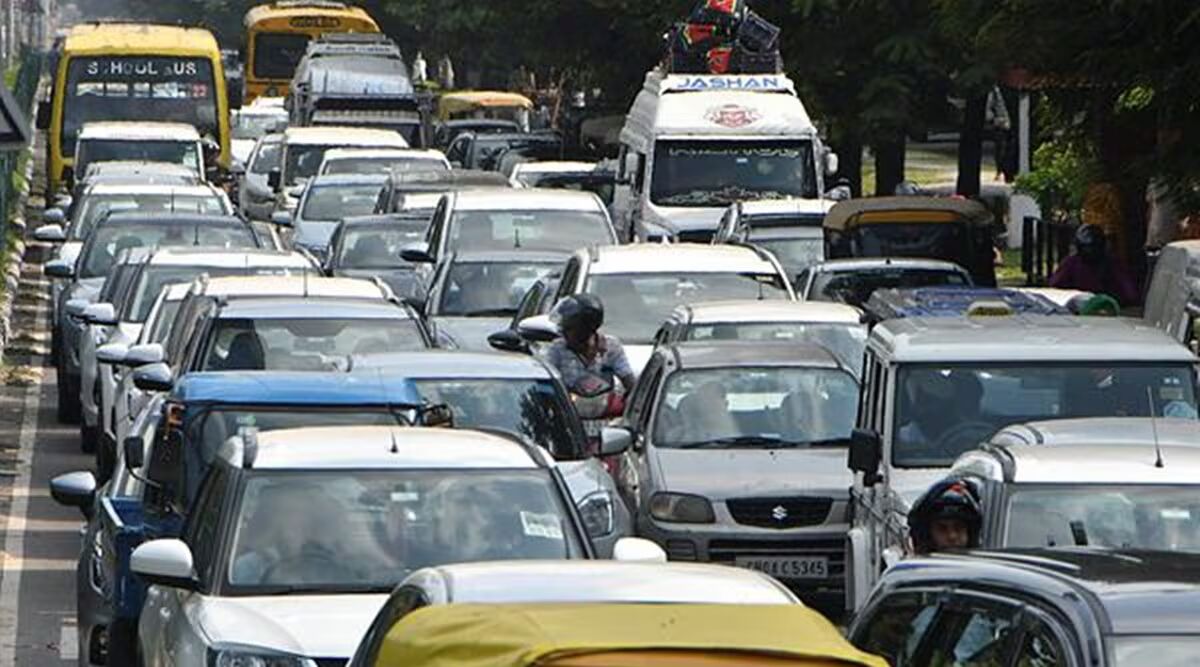
Heavy congestion on the Mumbai–Pune Expressway, one of India’s busiest intercity corridors, brought traffic to a near-standstill over several hours as three major choke points developed late on 19 February before authorities intervened to ease the pile-up. The gridlock — caused by a combination of high vehicle volumes, minor collisions and poor lane discipline — underscored ongoing challenges in managing transport flows on critical regional infrastructure that links Maharashtra’s two largest urban economies.
The expressway — a backbone of freight movement, commuter travel and passenger connectivity between India’s financial capital and the burgeoning industrial cluster of Pune — routinely carries tens of thousands of vehicles daily. Its strategic importance extends beyond economic throughput; it serves as a vital lifeline for time-sensitive logistics, tourism and labour mobility in western India.According to transport officials, the three worst-affected segments were located near toll plazas and merge zones where heavy truck movements create bottlenecks. When even a single slow-moving commercial vehicle blocks traffic, delays ripple quickly along the limited-access highway, as adjoining stretches lack adequate auxiliary lanes for overtaking or breakdown pull-outs.In response, Maharashtra traffic police and expressway management teams initiated dynamic lane management and controlled diversions, temporarily redirecting vehicles onto service roads and activating emergency response units to clear stalled vehicles. These measures — coupled with real-time traffic messaging via highway electronic boards and mobile apps — helped restore normal flows within hours, averting the risk of extended disruption.
Urban mobility experts say these episodes reveal a larger pattern: India’s rapid motorisation and cargo demand growth are increasingly pushing legacy expressway capacities toward saturation. Despite regular maintenance and periodic upgrades, the Mumbai–Pune corridor faces structural constraints that limit throughput, especially during peak holiday periods and seasonal travel surges.“The expressway was designed for efficiency, but traffic composition has shifted,” remarked a transport analyst. “Heavy goods vehicles, intercity buses, private cars and last-mile logistics all compete for the same space. Without calibrated demand management and lane prioritisation, even short incidents can cascade into system-wide gridlock.”The Maharashtra government has been exploring solutions to strengthen expressway performance, from allowing time-based heavy vehicle restrictions to scaling up freight-specific infrastructure such as dedicated truck bays and logistics hubs near major nodes. Some proposals also advocate for adaptive toll pricing to spread demand away from peak hours and investing in intelligent transport systems (ITS) — including automated incident detection and lane management — to reduce human response time.
Public safety advocates have further highlighted the need to reinforce driver education on expressway etiquette and compliance with lane rules, especially where high-speed differentials occur between vehicle classes. In the absence of auxiliary overtaking lanes, unsafe manoeuvres can quickly trigger chain reactions that reverberate over kilometres.For commuters and freight operators alike, the incident was a stark reminder of how quickly disruptions on a key artery can ripple through Maharashtra’s economy. Delays on the expressway not only inconvenience passengers but also affect delivery schedules, logistics costs and fuel consumption — with wider implications for regional business activity and emissions profiles.
Looking ahead, authorities are expected to accelerate dialogue on long-term capacity enhancements as part of Maharashtra’s transport master planning. The emphasis is shifting toward network resilience — ensuring that major corridors like the Mumbai–Pune Expressway can sustain growing traffic demand while maintaining safety, reliability and efficient movement of people and goods.