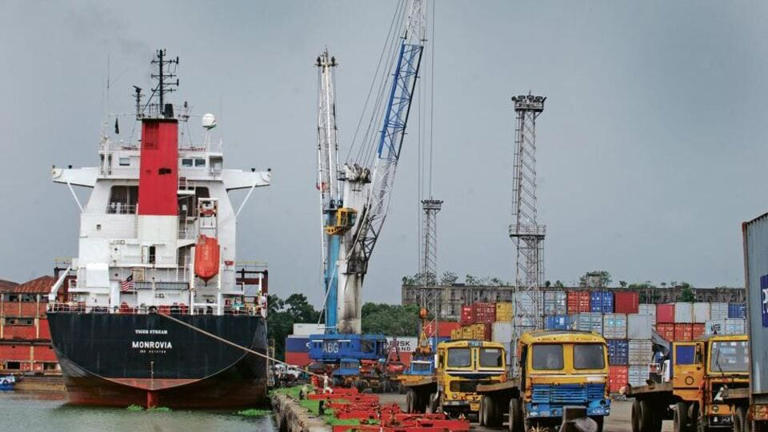
Maharashtra’s role as a key engine of India’s export‑led growth is confronting headwinds as a central policy think‑tank signals weakening competitiveness amid rising costs and structural bottlenecks, posing potential risks for jobs, investment and regional industrial ecosystems. The latest assessments underline that while Maharashtra remains a top ranked export‑ready state, cost dynamics and infrastructure gaps could erode its global market position if not addressed with targeted reforms.
The federal government’s NITI Aayog has highlighted that expensive industrial land, elevated energy tariffs and logistics cost disadvantages in core urban hubs — such as Mumbai, Pune and neighbouring belt areas — are making Maharashtra’s exports less price‑competitive relative to other regions. These pressures are squeezing margins for both large manufacturers and smaller enterprises that anchor the state’s diversified export base in goods such as engineering products, chemicals and consumer segments. Maharashtra continues to lead the export preparedness rankings among large Indian states, reflecting strengths in policy governance, business ecosystem and trade infrastructure; it scored highest in the latest Export Preparedness Index, surpassing Tamil Nadu and Gujarat. This ranking recognises robust institutional support and connectivity advantages — particularly port and logistics networks around Jawaharlal Nehru Port and domestic air cargo hubs that enable overseas shipments.
Yet, export performance data shows that merchandise exports from the state declined year‑on‑year in the recent fiscal period, signalling a gap between readiness indicators and actual output growth. Analysis points to persistent challenges in sectors such as gems and jewellery, where demand fluctuation has disproportionately affected export volumes, as well as an uneven industrial footprint that concentrates exports in a few urban clusters. Cost competitiveness is emerging as a critical constraint for manufacturers across Maharashtra’s urban‑industrial ecosystem. Higher wage bills, real estate premiums and power costs in key districts elevate production costs above several competing states and neighbouring regions — feeding into price formation that weakens export bids in cost‑sensitive global markets. Policy strategists warn that if these dynamics persist, capital and jobs could increasingly flow to lower‑cost, well‑connected industrial centres both within and outside the state.
Urban planners and global trade experts suggest that addressing these structural imbalances will require a multi‑pronged plan combining infrastructure investment, streamlined land allocation, and incentives that improve competitiveness for small and medium enterprises at district and regional levels. Strengthening skill‑linked supply chains and aligning cost frameworks with international norms are also emerging as priorities for sustaining export growth.
For Maharashtra — a cornerstone of India’s industrial and export strategy — balancing readiness with real‑world performance will be vital to preserving its leadership. As the state refines its exporters’ support systems and retools cost structures, policymakers and businesses must collaborate to ensure that ambition translates into resilient, inclusive trade growth