Maharashtra Explores Small Modular Reactors For Power
Maharashtra has initiated strategic discussions with Russian nuclear energy entities to explore the deployment of small modular reactors (SMRs) as part of its future energy infrastructure, seeking both reliable baseload power and cleaner electricity for industrial and digital ecosystems. The engagement signals a potential shift in how India’s most industrially advanced state addresses urban energy needs, decarbonisation goals and economic competitiveness.
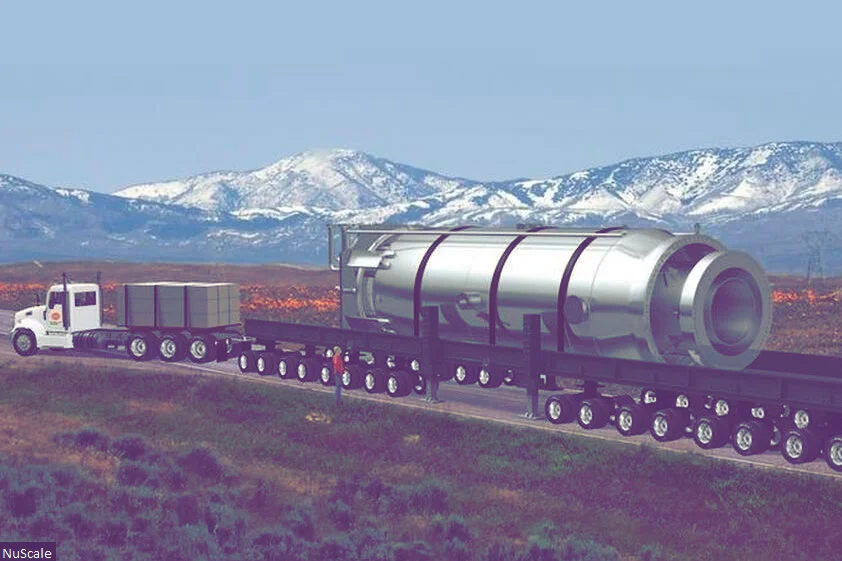
At a bilateral meeting held in Nagpur this week, state representatives and the Russian vice-consul focused on advancing cooperation around SMR technology — compact nuclear units designed to generate up to a few hundred megawatts of electricity with modular, factory-built components and inherently safer operations than conventional large nuclear plants. These discussions build on earlier agreements between Maharashtra state power firms and Russia’s Rosatom to develop thorium-based SMRs, an advanced fuel variant with potential safety and environmental advantages under Indian regulatory norms.Urban planners and energy experts argue that SMRs could help Maharashtra balance the competing demands of rapid industrialisation and climate commitments. Cities such as Pune, Mumbai and Nashik are witnessing rising electricity demand from data centres, global capacity centres and electric vehicle manufacturing, where uninterrupted clean power is essential to stay competitive. SMRs’ modular nature generally allows phased deployment and reduced upfront capital compared with large nuclear stations, potentially de-risking investment for public-private partnerships.
The state government’s interest in SMRs dovetails with national policies accelerating nuclear innovation. India’s Nuclear Energy Mission, with a ₹20,000-crore allocation for SMR research and development, aims to have multiple small reactors operational by 2033, helping diversify the energy mix and enhancing energy security. Under this framework, several reactor designs — including 200 MWe and 55 MWe units — are being developed for industrial and captive usage, aligning with Maharashtra’s industrial electricity needs.For Maharashtra’s cities and towns, reliable low-carbon power could reduce dependence on fossil fuels and stabilise energy costs, which are critical for equitable economic growth. Urban energy security remains a core challenge as heatwaves and climate extremes increase electricity demand — especially when renewable sources like solar and wind are intermittent. SMRs, with their potential for high capacity factors and grid reliability, may serve as a complement to renewables in a deeply decarbonised grid, provided rigorous safety and waste protocols are maintained.
However, experts emphasise that the path from discussion to deployment will be long and complex. Nuclear energy regulation in India remains centrally controlled, requiring state initiatives to align tightly with Atomic Energy Regulatory Board standards and national policy structures. Public engagement and transparent risk assessments will be essential to maintaining urban trust in nuclear-powered infrastructure.As Maharashtra positions itself at the intersection of energy transition, industrial demand and climate resilience, the outcome of these SMR engagements could inform a broader blueprint for state-level participation in clean energy innovation — a model with implications for other rapidly urbanising regions across India.