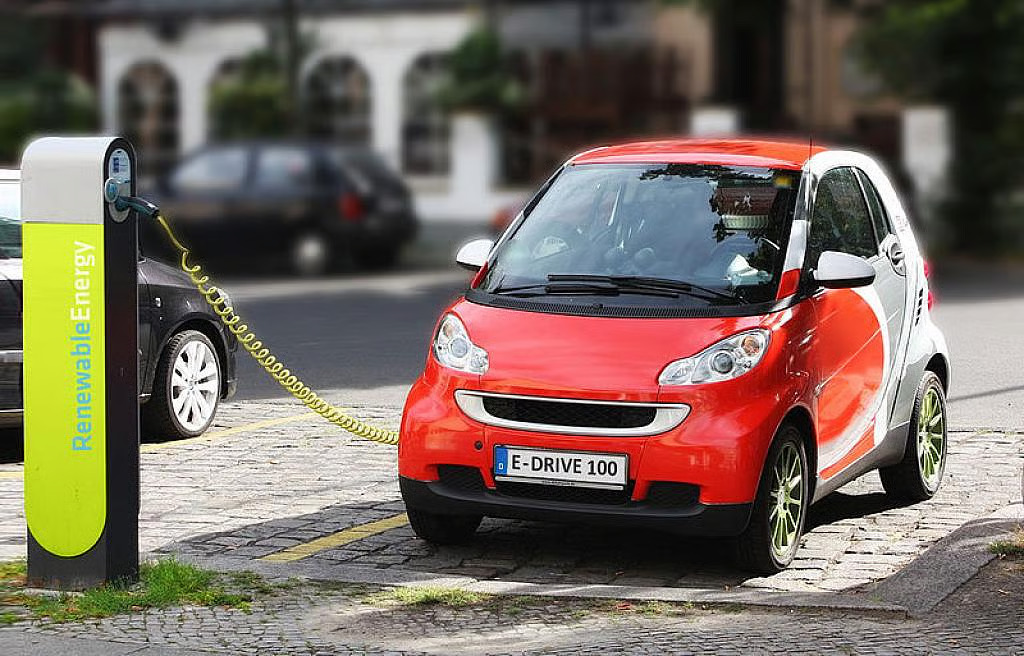
Electric mobility adoption in Maharashtra has regained momentum after a temporary slowdown, even as the state’s overall vehicle base continues to expand rapidly. Fresh economic data indicates that electric vehicle registrations declined significantly in one financial year before rebounding the following year, signalling both structural challenges and renewed market confidence in the transition to cleaner transport.
The latest government economic assessment shows that Maharashtra electric vehicle registrations fell during the 2024–25 financial year before recovering in the subsequent fiscal period with double-digit growth. The rebound reflects improvements in charging infrastructure availability, wider model choices and policy measures aimed at strengthening the state’s electric mobility ecosystem. At the same time, the broader vehicle fleet in the state continued to grow steadily. The total number of registered vehicles crossed 5.3 crore by the beginning of 2026, representing an increase of more than eight per cent in just twelve months. Two-wheelers remain the dominant category within this expanding fleet, accounting for the vast majority of registrations.
Urban transport analysts say this pattern highlights a critical challenge for large and rapidly urbanising states. Rising personal vehicle ownership can increase congestion, emissions and pressure on urban roads unless balanced with low-carbon mobility solutions such as public transport and electric vehicles. The temporary slowdown in Maharashtra electric vehicle registrations has been partly linked to concerns among consumers about battery range and charging accessibility. In many smaller towns and peri-urban regions, the absence of a dense charging network previously discouraged potential buyers from shifting away from conventional fuel vehicles.
Industry observers note that the situation has begun to improve over the past year. Power distribution utilities and local authorities have expanded public charging points in urban areas and along major highway corridors. In parallel, residential societies have increasingly been encouraged to install dedicated charging connections, with utilities offering favourable electricity tariffs for such installations. The availability of new electric vehicle models has also broadened consumer options. Automobile manufacturers have introduced several electric cars and two-wheelers across price segments, helping address different mobility needs ranging from daily commuting to premium urban travel. Electric scooters and motorcycles continue to account for a significant share of adoption due to their lower acquisition cost and suitability for short urban trips.
As of late 2025, the state had recorded more than nine lakh battery-powered vehicles on its roads. Officials involved in mobility planning indicate that long-term policy efforts remain focused on accelerating the transition toward cleaner transport. These include strengthening manufacturing capacity, building charging networks across both cities and highways, and promoting electrification in public transport systems. Urban planners argue that the recovery in Maharashtra electric vehicle registrations is an encouraging indicator, but the broader mobility challenge remains complex. With vehicle ownership rising steadily, cities must simultaneously expand public transport networks, improve last-mile connectivity and support cleaner vehicle technologies.
How effectively these strategies converge will influence whether Maharashtra’s rapidly growing cities can move toward a more sustainable, climate-aligned transport future.
Maharashtra Electric Vehicle Registrations Rebound After Dip