Maharashtra Directs BMC To Deploy AI IoT Pollution Tracking
The Maharashtra government has instructed the Brihanmumbai Municipal Corporation (BMC) to develop and deploy a fully AI- and IoT-enabled system to dynamically track sources of air pollution across Mumbai, signalling a strategic infusion of digital technology into environmental governance. Announced in the state legislative council this week, the directive aims to move beyond periodic manual checks to a real-time, data-driven monitoring framework that could reshape how cities confront industrial and construction emissions.
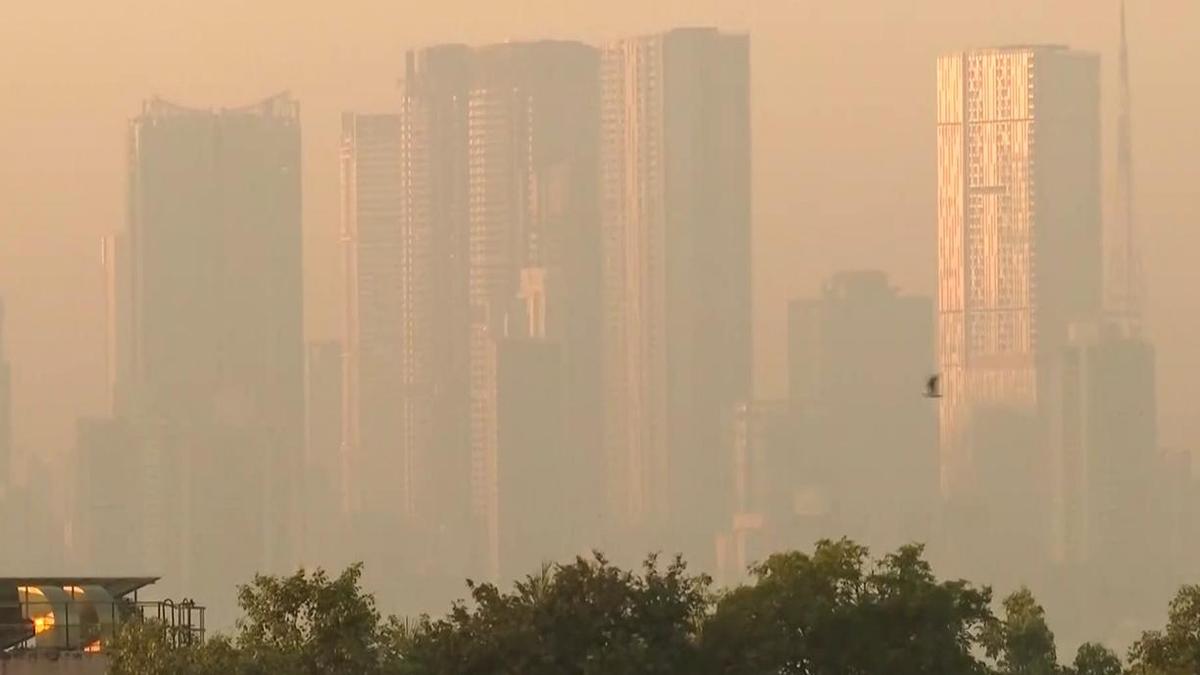
Chief Minister Devendra Fadnavis emphasised that traditional approaches to air quality monitoring are inadequate, especially in identifying and attributing pollution to specific sites — whether government infrastructure projects or private construction. The mandate would see sensors and networked systems linked with artificial intelligence (AI) and the Internet of Things (IoT) to continuously collect, analyse and visualise pollution data across the urban landscape.Urban environment experts consider this a notable shift towards precision regulation. Rather than relying solely on fixed monitoring stations and intermittent inspections, an AI-IoT ecosystem could generate hyper-local insights, enabling authorities to detect emissions “hotspots” in real time and respond swiftly. This capability is especially relevant as Mumbai confronts rising air quality concerns linked to dense construction activity and heavy traffic — drivers of particulate pollution measured as PM2.5 and PM10.
The proposed system would integrate real-time data streams, likely from on-site sensors and regional air quality networks, to create a continuously updated picture of emission sources. This approach aligns with smart city planning principles, embedding environmental intelligence into the broader urban management infrastructure. For residents in high-density neighbourhoods such as Bandra (East), where lawmakers have flagged excessive dust and deteriorating air quality, this could translate into more transparent and accountable pollution control.However, integrating advanced technologies into civic operations poses challenges. Costs of sensor deployment, maintenance and AI model training are significant, and require robust governance mechanisms to ensure data accuracy and privacy. Additionally, translating insights into action depends on coordinated enforcement — from construction contractors to regulatory bodies such as the Maharashtra Pollution Control Board (MPCB) and the Central Pollution Control Board (CPCB).
Policy advocates highlight that tech-enabled monitoring can dovetail with the National Clean Air Programme (NCAP), which sets targets to reduce particulate pollution across Indian cities. Yet, effective deployment will hinge on how rapidly the BMC can scale the system to cover all significant emission sources and ensure interoperability with existing environmental data platforms.For urban managers balancing growth and sustainability, the directive reflects a broader recognition that emerging technologies must play a central role in future city planning. As Mumbai expands, the successful integration of AI and IoT into air quality governance could serve as a model for other Indian megacities grappling with similar environmental pressures, signalling a hopeful direction for inclusive and climate-responsive urban development.