


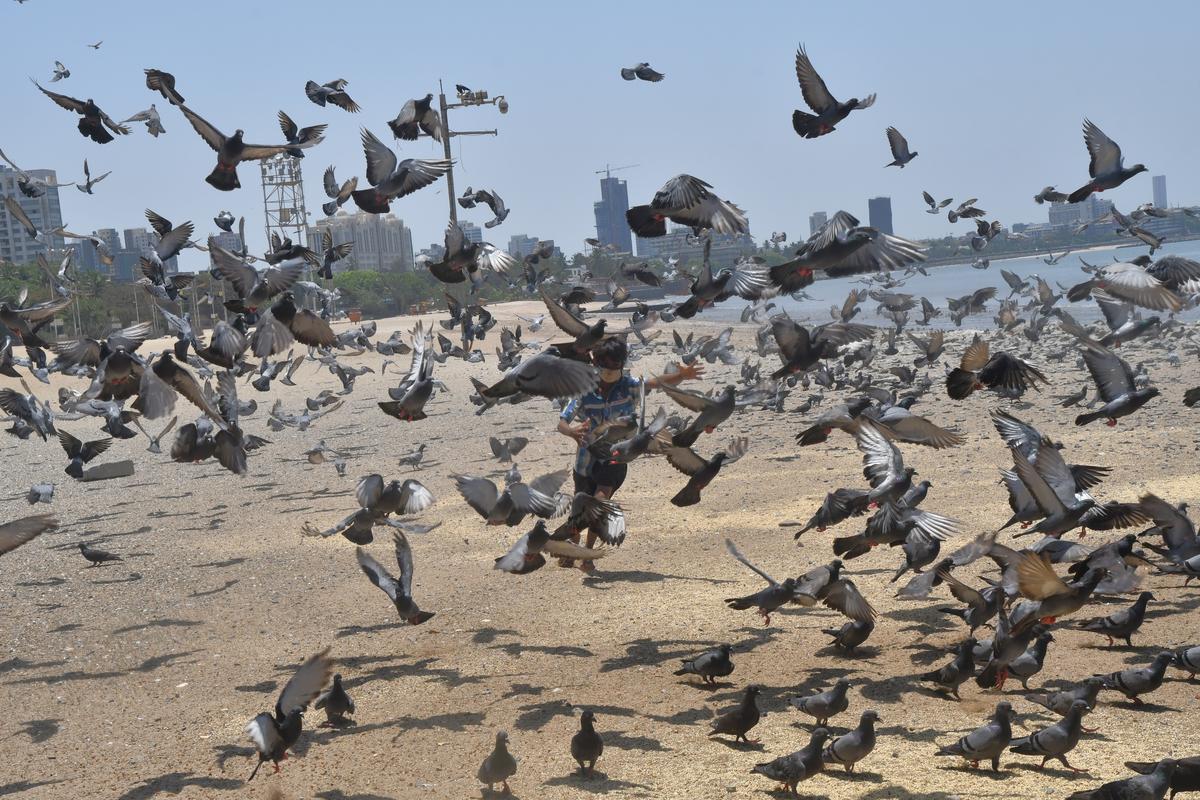
The Maharashtra government has issued stringent directives to the Brihanmumbai Municipal Corporation (BMC) to take decisive action against unauthorised pigeon feeding spots, known as ‘kabootar khanas’, across Mumbai. This significant move prioritises public health and the reclamation of public spaces, signalling a commitment to fostering more hygienic, eco-friendly, and equitable urban environments. The decision underscores the complex challenges faced by metropolitan areas in balancing civic traditions with modern public health imperatives.
The issue, brought to the forefront by Shiv Sena (UBT) MLC Manisha Kayande in the legislative council, highlighted the alarming proliferation of these informal feeding zones on footpaths, contributing to significant respiratory ailments among residents. Citing medical research, including documentation from the Indian Journal of Allergy, Asthma and Immunology, Kayande emphasised how pigeon droppings and feathers, when airborne, can infiltrate the human respiratory system, causing chronic health conditions. This scientific validation forms the bedrock of the government’s intervention, aiming to safeguard the well-being of all Mumbai citizens, particularly vulnerable populations.
Urban Development Minister Uday Samant, in response, acknowledged that the BMC officially recognises 51 such feeding spots across the city. His announcement included a clear directive for the civic body to not only initiate immediate action against these sites but also to launch a comprehensive public awareness campaign. This dual approach aims to educate citizens about the genuine health risks associated with unregulated pigeon feeding, a practice often rooted in cultural or compassionate beliefs. The minister’s candid remark about pigeons being fed “pizza and burgers” at some locations further illustrates the unchecked nature of this activity and its impact on urban hygiene.
The case of the Dadar ‘kabootar khana’ serves as a poignant example of the challenges involved. Despite previous removal efforts following public protests, the spot resumed operations under the patronage of a private trust. This recurrence highlights the deeply ingrained nature of these practices and the need for sustained civic enforcement coupled with community engagement. The ongoing presence of such unsanctioned sites not only poses a direct health threat but also constitutes encroachment on public footpaths, affecting pedestrian mobility and contributing to overall urban clutter, thereby impeding the development of truly walkable and accessible cities.
From an urban planning perspective, the proliferation of large pigeon populations in dense urban areas can strain existing infrastructure and sanitation systems. Pigeon droppings are not only unsightly and unhygienic but also corrosive to buildings and public monuments, adding to maintenance burdens. By addressing these feeding spots, the Maharashtra government is taking a proactive step towards creating a cleaner urban environment, reducing the incidence of pest infestations, and enhancing public spaces for human use. This aligns with the broader objective of developing zero net carbon cities, where environmental health is meticulously managed.
This decisive action by the Maharashtra government reflects a growing recognition of the delicate balance between urban biodiversity and human well-being. While empathy for animals is a valued sentiment, it must be exercised in ways that do not inadvertently jeopardise public health or undermine urban sustainability efforts. The impending crackdown, coupled with awareness initiatives, represents a critical intervention to reclaim public spaces for all citizens and to ensure that Mumbai evolves into a city that is not only smart and connected but also profoundly healthy, equitable, and environmentally conscious for current and future generations.
Also Read: Amit Shah Visit Boosts Pune’s Culture Health Sports Development
