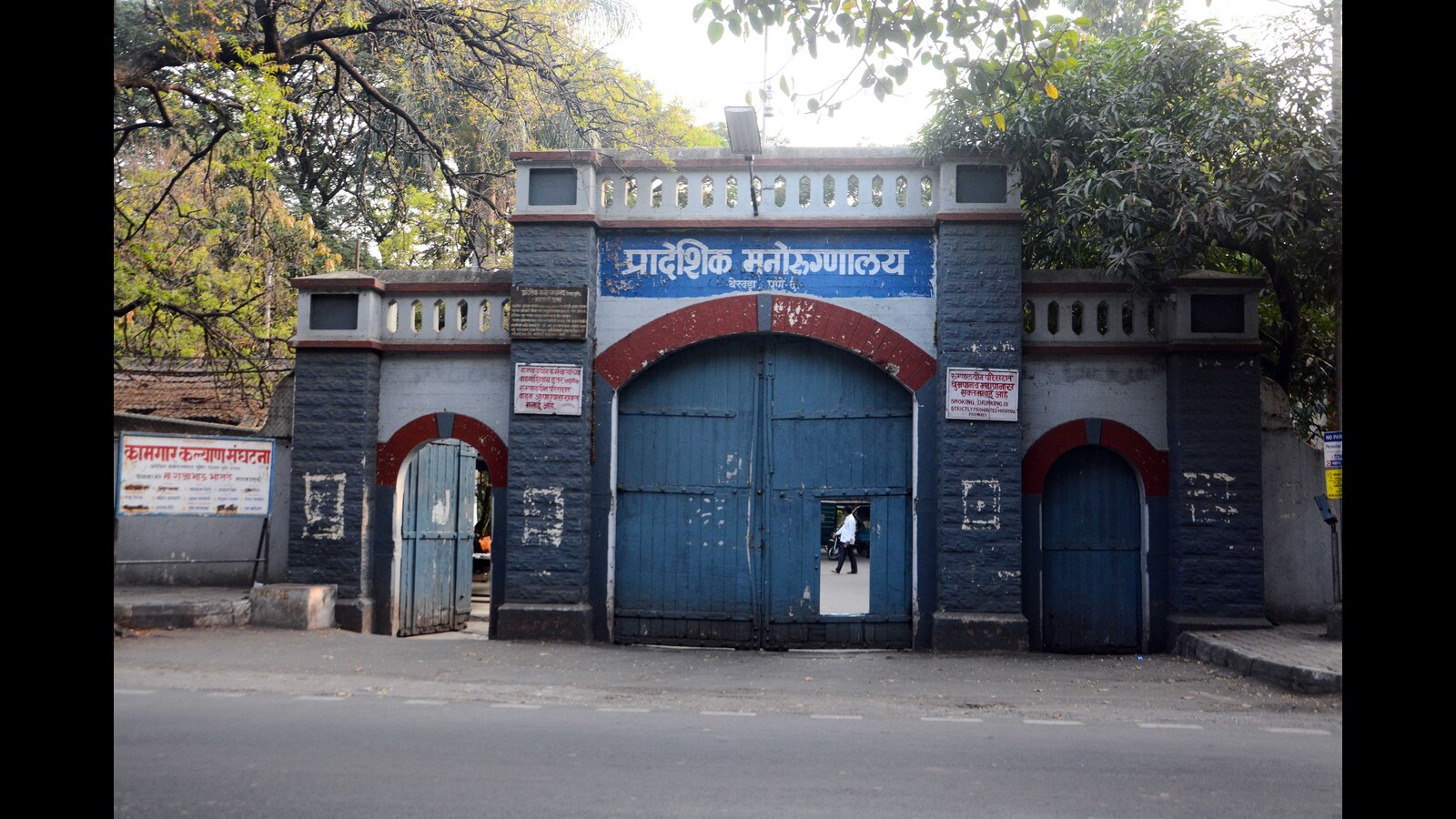
The Nagpur bench of the Bombay High Court has broadened judicial scrutiny of public health infrastructure at the Regional Mental Hospital (RMH), intensifying oversight of long-standing facility and service deficiencies that affect hundreds of patients daily. The move comes after a detailed inspection of conditions at the state-run institution exposed gaps in medicines, staffing and basic amenities, raising broader questions about healthcare provisioning and vulnerable populations’ access to essential services in urban centres.
A division bench of the court formally expanded the ambit of a suo motu public interest litigation (PIL) initially triggered by reports of prolonged shortages of critical psychiatric drugs. Senior justices emphasised that uninterrupted access to necessary medications is a fundamental necessity for mental health patients and cannot be treated as discretionary. Following an on-site review led by an appointed amicus curiae, the bench added structural and operational shortcomings at RMH to the case’s scope, issuing notices to state authorities and scheduling a substantive hearing later this month.The hospital — which registers roughly 300 outpatient visits per day and accommodates more than 500 inpatients — reportedly relied on a stock of only a limited number of medicines over an extended period, despite clinical protocols that require a broader range of therapies. Relatives and carers have at times been compelled to seek external prescriptions, highlighting systemic gaps that have persisted for nearly 18 months, according to court filings.
Beyond pharmaceutical supply, the court’s expanded mandate now encompasses a constellation of underlying deficiencies long cited by advocates. Previous petitions dating back to the mid-2010s flagged chronic vacancies in staffing, inconsistent water access, a lack of adequate winter clothing for patients, and troubling accounts of deaths potentially linked to neglect. Such recurrent patterns of civic service failure in specialised public health facilities have drawn concern from legal observers and healthcare policy analysts alike.Urban governance experts say the RMH case underscores a structural challenge in rapidly growing cities: ensuring that essential care infrastructure keeps pace with increasing demand and inclusive service standards. In the context of secondary cities such as Nagpur — where industrial growth, population influx and socio-economic diversity converge — robust support systems for mental health are especially critical. They warn that fragmented updates to facilities, rather than integrated planning and monitoring, risk leaving the most vulnerable at the margins of civic provisioning.
Maharashtra’s public health framework is now under court scrutiny not merely on isolated service lapses, but as a litmus test of institutional accountability. Civil society sources indicate that authorities have been asked to present clear action plans, timelines and resource commitments to address gaps comprehensively. The upcoming hearing is expected to delve into these proposals, offering a platform for judicial oversight on performance, transparency and measurable outcomes.
As cities like Nagpur expand and healthcare demands intensify, the court’s intervention could set a precedent for how Indian urban systems prioritise mental health infrastructure as part of broader resilience and equity goals.