


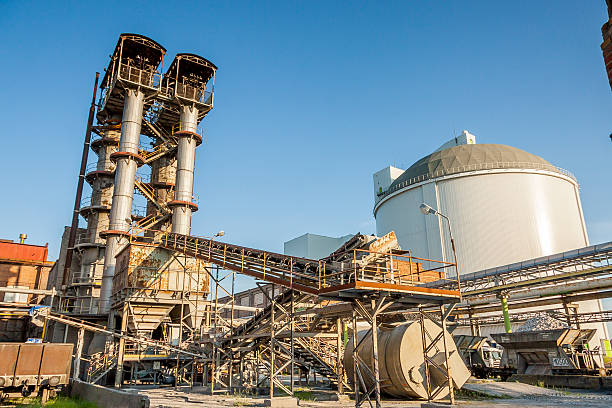
Maharashtra has approved a new policy framework aimed at reviving financially stressed cooperative sugar factories through private investment and modern infrastructure management models. The initiative introduces the cooperative sugar mills revival policy, allowing investors to operate closed or struggling mills under build-operate-transfer (BOT) and build-own-operate-transfer (BOOT) arrangements.State authorities believe the cooperative sugar mills revival policy could help restore production in several sugar factories that have remained non-operational due to financial distress, outdated equipment and governance challenges. Many cooperative mills across Maharashtra, particularly in rural districts, have struggled to remain competitive amid rising operational costs and changing market conditions. Under the newly approved framework, private investors will be permitted to take over the operation and modernisation of idle or loss-making mills for a specified concession period. During this period, the investor may upgrade machinery, improve efficiency and restart sugar production while sharing economic benefits with the cooperative structure.
Officials involved in agricultural and industrial policy say the new framework aims to balance cooperative ownership with professional management. By introducing private capital and technical expertise, policymakers hope to revive production while protecting the interests of farmer members who are historically linked to these mills.The cooperative sugar mills revival policy carries wider economic implications for rural Maharashtra. Sugar factories have traditionally served as economic anchors in many districts, supporting employment, farm incomes and local infrastructure development. When mills shut down, surrounding agricultural ecosystems and rural economies often face prolonged disruption.Agriculture economists point out that cooperative sugar mills also play a critical role in the sugarcane value chain. They provide procurement systems, processing facilities and market linkages for farmers. Reviving these institutions can therefore help stabilise farmer incomes and strengthen rural supply chains. Industry experts also note that modernising sugar factories could enable diversification into allied sectors such as ethanol production, power generation from bagasse and other bioenergy applications. These additional revenue streams are increasingly important as the sugar industry adapts to changing energy and environmental policies.Infrastructure planners suggest that BOT and BOOT models are commonly used in sectors where public assets require capital-intensive upgrades but government funding remains limited. Such arrangements allow private investors to finance improvements while ensuring that long-term ownership or benefits remain aligned with public or cooperative interests.The cooperative sugar mills revival policy may also contribute to broader sustainability objectives. Modernised sugar factories can adopt more energy-efficient technologies, reduce water consumption and integrate renewable energy systems within processing facilities.
For Maharashtra’s rural economy, the revival of dormant mills could restore economic activity across multiple sectors, including agriculture, transportation and rural services. However, experts emphasise that successful implementation will depend on transparent bidding processes, clear regulatory oversight and long-term financial viability.As the policy begins to take effect, its success will likely be measured by how effectively it revives production while safeguarding the cooperative ethos that has historically shaped Maharashtra’s sugar industry.
ALSO READ- Gadchiroli Farming Project Receives NABARD Grant Support
Maharashtra Cooperative Sugar Mills Revival Framework Approved
