


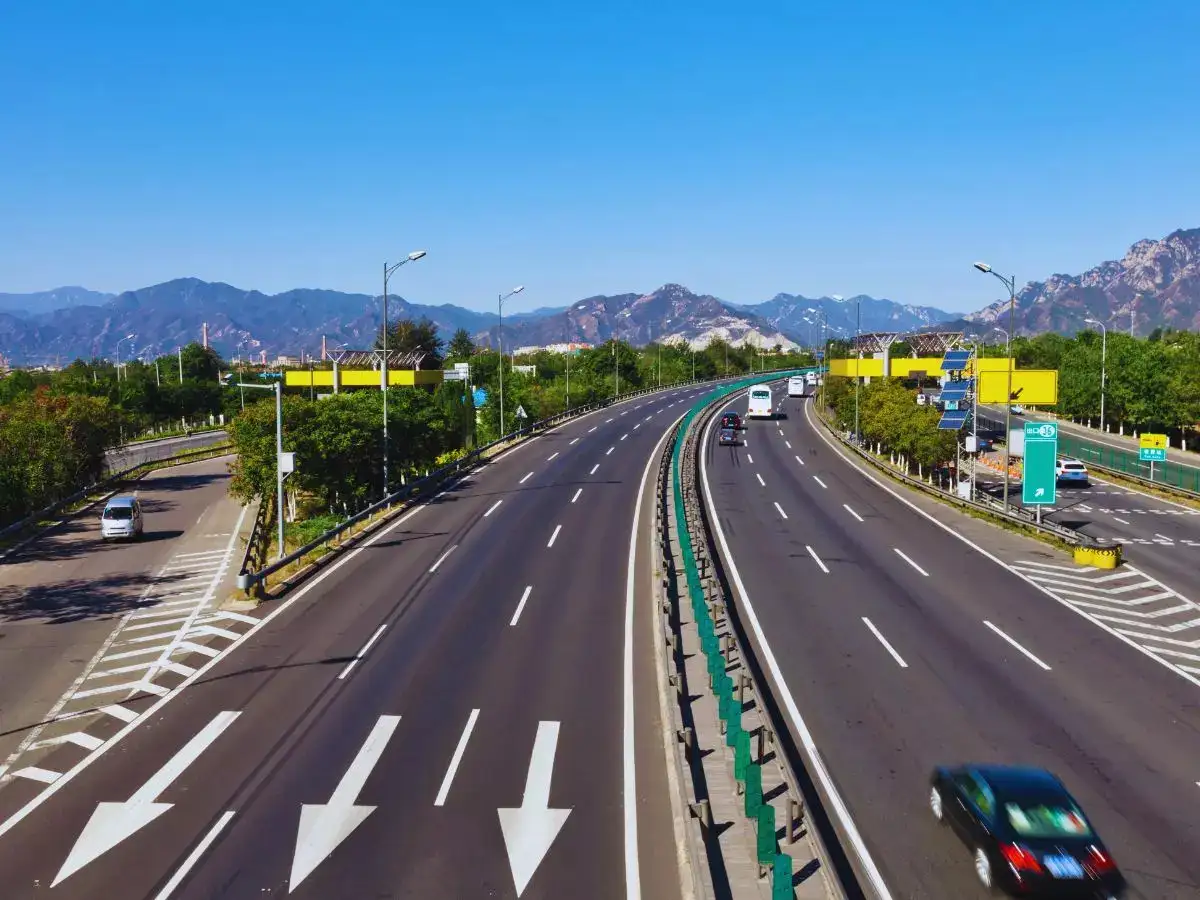
Maharashtra Cabinet has formally approved the ambitious 800-kilometre-long Shaktipeeth Expressway, which will link key pilgrimage destinations across the state. Spearheaded by the Maharashtra State Road Development Corporation (MSRDC), the six-lane corridor is expected to transform spiritual travel and stimulate economic activity across 12 districts, while also triggering debates over land acquisition and farmer rights.
The expressway, stretching from Pawanar in Wardha district to Patradevi on the Goa border in Sindhudurg, is estimated to cost ₹86,300 crore. A sum of ₹20,787 crore has already been allocated for project design and land acquisition, including ₹12,000 crore raised through a HUDCO loan. Once completed, the expressway will slash travel time from 18–20 hours to just 8–10 hours, offering a vital arterial route through the heart of Maharashtra’s spiritual landscape.
The route will cover 18 pilgrimage sites, including three Shaktipeeths—Mahalaxmi in Kolhapur, Tulja Bhawani in Dharashiv, and the Patradevi shrine on the Goa border—alongside the Jyotirlingas of Aundha Nagnath in Hingoli and Parli Vaijnath in Beed. It will also offer direct access to iconic destinations like Pandharpur and Ambajogai. These links are expected to boost religious tourism and improve last-mile connectivity in interior Maharashtra.Chief Minister Devendra Fadnavis, who has long championed the project, emphasised that it will be developed as a green expressway with sustainable infrastructure, tree plantations, and provisions for solar energy. “The project will open new economic corridors while preserving ecological balance. Timely land acquisition is critical, and all agencies have been given specific deadlines,” said a senior official familiar with the project roadmap.
Despite the government’s enthusiasm, the expressway has drawn sharp criticism from opposition parties and farming communities. The Maha Vikas Aghadi alliance has reiterated that the proposed route would displace farmers and damage irrigated farmlands. Meanwhile, sections of the farming community in Kolhapur and Sangli have threatened intensified protests. The issue is likely to be taken up in the upcoming monsoon session of the state legislature.In response, the state government has maintained that the land acquisition process will not be coercive and that open dialogue with stakeholders will remain a priority. Fadnavis assured that the government would “listen and understand” farmers’ concerns, promising that no forced takeovers would occur.
This infrastructure push comes after the temporary halt of land acquisition in 2023, when protests threatened to derail the project ahead of state elections. The revived momentum behind the expressway signals the ruling coalition’s resolve to deliver large-scale infrastructure while balancing public concerns.
As Maharashtra positions itself as a hub for pilgrimage tourism and multi-modal infrastructure, the Shaktipeeth Expressway is poised to become a flagship project—uniting spiritual tradition, economic potential, and modern engineering. Yet its success will depend on how sensitively the state manages the social and environmental impacts along its expansive route.
Also Read : Mumbai Bakeries Lag in Switching to Green Fuel
