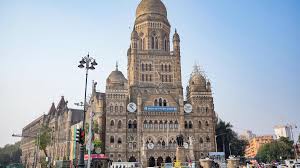
Maharashtra Civic Elections Spotlight On BMC Infrastructure Priorities
Campaigning for Maharashtra’s long‑deferred civic elections concluded on Tuesday evening, drawing political activity to a close ahead of polling on January 15 in 29 municipal corporations including the cash‑rich Brihanmumbai Municipal Corporation (BMC). With days of high‑voltage rallies now in the rearview mirror, attention shifts to what urban voters prioritise for city governance — from air quality to infrastructure delivery — underscoring how city‑level issues are shaping civic politics in India’s fastest‑growing metropolitan regions.
The campaign silence period began at 5.30 pm, in compliance with electoral norms, setting the stage for a decisive test of local political fortunes in Mumbai, Pune, Thane and other cities. The BMC — India’s richest civic body with a multi‑thousand‑crore budget — is seen as the marquee contest, with key alliances contesting control of an institution that directly influences urban services, planning and development. Final campaign dynamics reflected a blend of broad political narratives and local civic concerns. High‑profile leaders crisscrossed the state in the run‑up to January 15, with parties seeking to consolidate votes on both identity and governance themes. In the closing days, authorities also reported isolated clashes between supporters of rival parties in some municipalities, illustrating the heightened competitive environment even as campaigning ended.
Urban residents in Mumbai and the wider metropolitan region have consistently flagged infrastructure, air quality and public service delivery as priorities in this election cycle — themes that often transcend partisan slogans. Ahead of polling, the civic administration distributed millions of voter information slips and mobilised sanitation and accessibility measures at polling stations, signalling an administrative focus on voter facilitation and participatory governance. The timing of this election — after more than three years without elected councillors in several municipal bodies — has heightened public interest in effective local representation. In parts of the city such as Dharavi, permission for large celebratory events on polling day has been denied, reflecting a balance between civic order and festive traditions amid the election logistics.
For city planners and infrastructure stakeholders, the outcome in Mumbai’s corporation holds implications far beyond party control. The BMC’s budgetary allocations, project execution capacity and regulatory authority directly shape priorities such as sustainable transport, waste management, flood mitigation and climate‑adaptive urban planning. The election thus doubles as an informal referendum on civic performance and future service delivery models.
As voting day approaches with campaign activity now silent, political analysts and civic observers are watching whether electoral outcomes align with on‑ground priorities such as equitable infrastructure rollout, environmental resilience, and people‑centric governance. With results due on January 16, Maharashtra’s urban electorate may well signal the direction of municipal politics for the coming decade.