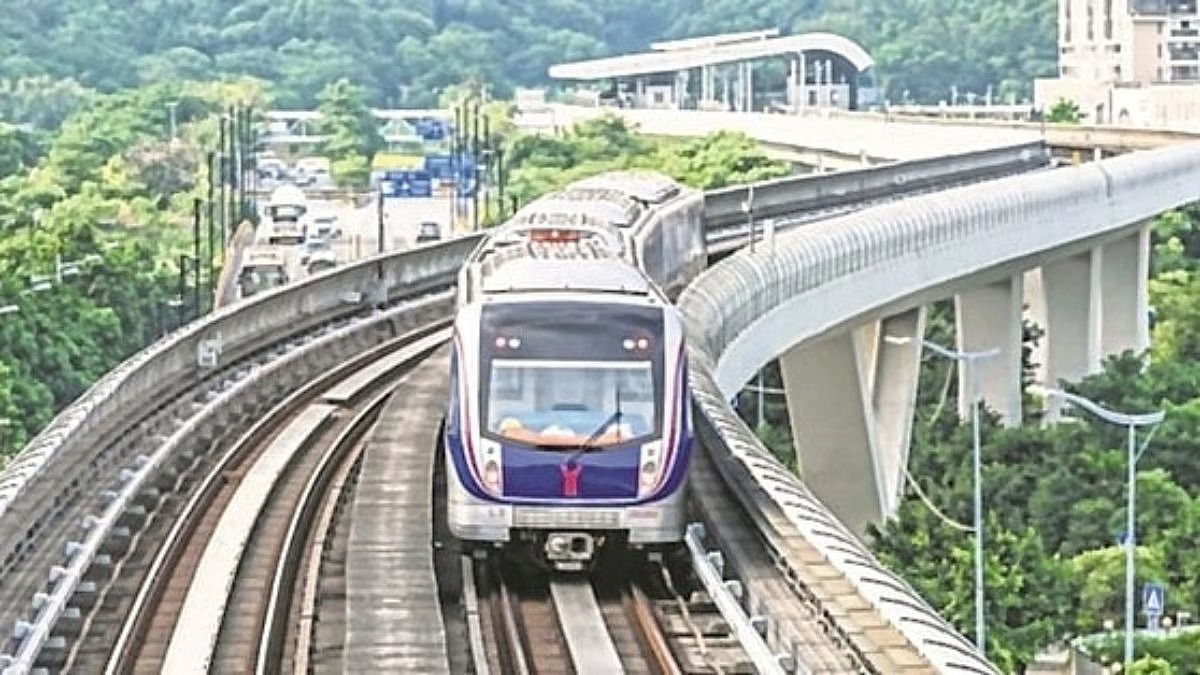
Maharashtra Budget Prioritises Urban Expansion And Metro Growth
The state’s 2026–27 budget has set out a bold blueprint to transform Maharashtra’s urban landscape, targeting an expansion of the metro rail network to 1,200 km and a major scale‑up of expressways and regional development authorities to future‑proof cities facing rapid demographic and economic pressures. The plan signals a strategic pivot toward integrated mobility, housing inclusivity and resilient urban infrastructure.
Presented last week, the ₹7.69 lakh crore budget underscores urbanisation’s growing role in the state’s economy, with projections that 70 per cent of Maharashtrians will live in urban areas by 2047 and contribute nearly 80 per cent of state gross domestic product. The metro expansion target — roughly doubling current rail network aspirations — is central to Maharashtra’s vision for seamless multimodal connectivity. Key corridors planned include new lines in Mumbai and extensions across the Mumbai Metropolitan Region (MMR), as well as expansions in Pune and other tier‑2 cities, aimed at reducing congestion and enhancing access to employment hubs. Transport planners say a dense metro network is essential for equitable city growth. High‑capacity rail systems can reduce car dependence, lower emissions and unlock transit‑oriented development (TOD) opportunities that integrate housing, jobs and services. “Every kilometre of rapid transit unlocks new economic nodes while enabling lower‑carbon commuting choices,” said a senior urban mobility expert in Mumbai.
Accompanying the metro roadmap is a plan to expand the state’s expressway network to over 6,000 km, intending to knit together urban and peri‑urban regions with high‑speed corridors. This is expected to further support logistics, manufacturing clusters and labour mobility, particularly for emerging economic regions outside core metro centres. The budget also introduces a “Third Mumbai” urban zone — a 200 sq km development linked to the Atal Setu and designed to decentralise economic activity. Around this new zone, housing, commercial and industrial functions are expected to co‑locate, a concept urban planners describe as strategic cluster development to relieve pressure on existing urban cores. On the housing front, the budget includes a “No New Slum Framework,” aiming to redevelop 20 lakh existing slum tenements and create 10 lakh affordable units within the Mumbai region, part of a longer‑term goal to deliver 6–7 million affordable homes by 2047. Governance reforms are another highlight, with the creation of empowered regional development authorities beyond traditional municipal structures. These entities will have greater fiscal and administrative autonomy, intended to address the diverse infrastructure and service needs of fast‑growing cities such as Nashik, Nagpur and Solapur‑Latur.
However, experts caution that delivering on these ambitious targets will require robust funding mechanisms, streamlined regulatory approvals and strong community engagement to ensure equitable outcomes. As urban populations rise, ensuring that growth does not intensify social inequities or environmental stress will be a central test for policymakers.