Maharashtra Braces For Unseasonal Weather Shift Amid IMD Yellow Alert
The India Meteorological Department (IMD) has flagged an unexpected mid-winter weather shift across northern Maharashtra, including the Pune metropolitan region, issuing a yellow alert that signals light rainfall and cloudy conditions over the next 24–48 hours. The advisory reflects emerging atmospheric changes that could influence air quality, urban mobility and seasonal climate expectations for major cities such as Pune, Mumbai and Thane.
Cities across western and central Maharashtra, long accustomed to stable dry conditions during January, are now anticipating intermittent showers, rising cloud cover and subtle temperature variations as a weak Western disturbance interacts with regional wind patterns. Meteorological risk categories like the yellow alert are aimed at keeping citizens and civic agencies alert to short-term weather variability that falls below severe thunderstorm thresholds but can still disrupt daily life. In Pune, partly cloudy skies are forecast to prevail, with temperatures expected to hover between the upper teens at night and close to 29°C during the day. The gradual uptick in both minimum and maximum temperatures in recent days hints at broader seasonal transition trends, as winter recedes into pre-summer conditions. This shift has implications for sectors such as construction, transport and informal outdoor labour, where workers adapt schedules around humidity and cloud cover.
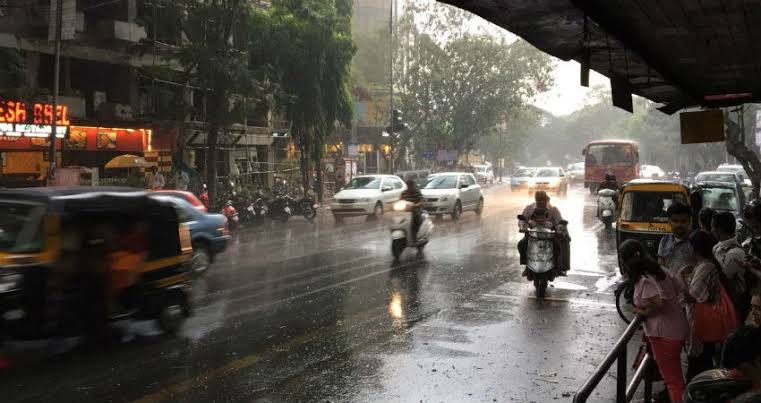
To the west, Mumbai and Thane are bracing for light rain spells in the hours after the alert was issued, with increased moisture bringing more overcast skies and the likelihood of scattered showers. Urban planners and transport officials often watch such alerts closely because even modest rainfall can affect commuter flows, traffic congestion and micro-drainage systems in densely populated areas. Air quality in core metropolitan zones remains moderate, with particulate matter levels that may aggravate respiratory sensitivity for vulnerable groups. This intersection of weather and air quality highlights how climate variability, even outside of monsoon periods, can influence public health considerations in India’s rapidly urbanising megaregions.
Senior meteorological officials note that this yellow alert does not indicate severe weather but is reflective of unseasonal rain probabilities and enhanced cloud formation associated with transient atmospheric disturbances. These events, increasingly detectable with advanced forecasting tools, underscore the value of urban climate resilience frameworks that cities are beginning to integrate across planning and infrastructure strategies.
For citizens and municipal authorities, the immediate steps are straightforward: anticipate light showers, monitor updates from the IMD, and factor weather patterns into transport and outdoor activity planning. Looking ahead, longer-range forecasts will determine whether this shift is a short blip or part of a broader trend of erratic mid-season weather patterns, which experts say merit closer study as climate signals evolve.