Navi Mumbai Airport Introduces Contactless DigiYatra Service
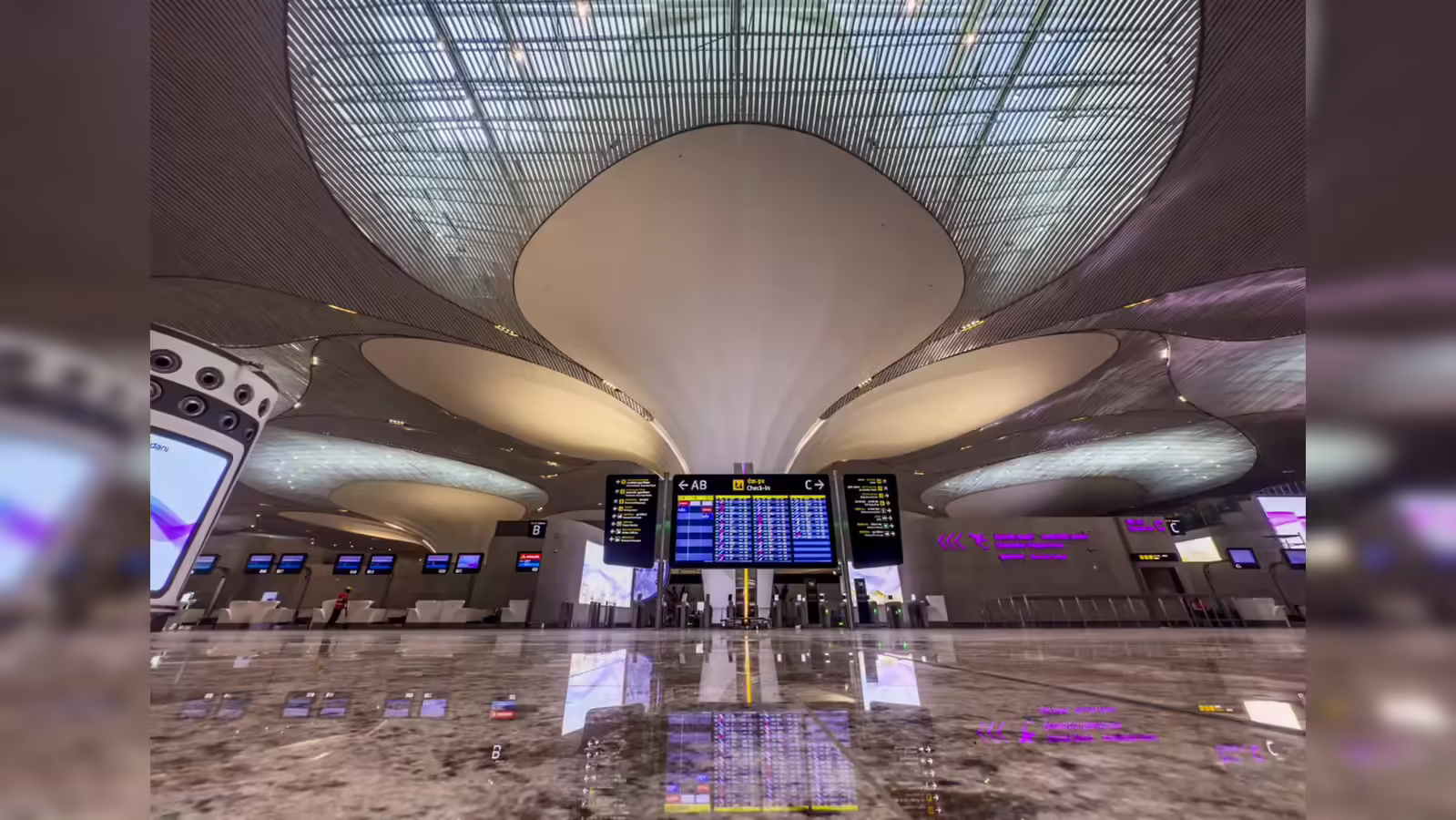
The Navi Mumbai International Airport (NMIA) has begun commercial operations, marking a watershed moment for the Mumbai Metropolitan Region’s (MMR) transport infrastructure and long‑anticipated expansion of air connectivity. The operational launch of this greenfield airport — designed as a complement to the existing Chhatrapati Shivaji Maharaj International Airport — is expected to relieve congestion, expand economic opportunity and recalibrate how people and goods move in and out of western India.
The airport, developed and operated under a public‑private partnership with a majority stake held by a private infrastructure firm and the remainder by a state‑level development agency, comes after decades of planning, clearances and construction. It is intended to serve as a high‑capacity aviation hub capable of handling increasing passenger volumes and air cargo flows for the region. Early operations have already seen significant uptake, with tens of thousands of travellers passing through the terminal in just the first days of service.In its initial phase, NMIA will operate on a limited schedule, gradually ramping up domestic services as systems settle and additional flight slots are added. Airlines have begun integrating NMIA into their route networks, connecting the new airport with major domestic markets, while plans are underway to scale operations and introduce international flights in the coming quarters. Aviation analysts view this measured rollout as vital to ensuring operational reliability and passenger confidence.
Urban planners highlight that the new airport’s launch has broader implications for sustainable regional growth. With Mumbai’s existing airport operating near capacity, NMIA provides much‑needed slack for meeting rising travel demand without exacerbating congestion or air quality pressures around the city’s primary aviation node. Expanded air connectivity can support business travel, tourism and logistics activity, diversifying economic opportunities across the MMR and neighbouring districts.However, the benefits are contingent on integrating the airport into the region’s wider multimodal transport ecosystem. A key challenge remains improving rail and road links — including the proposed high‑capacity metro corridor that would connect central Mumbai with NMIA — so that passengers can access the airport efficiently without relying excessively on private vehicles. Effective first‑ and last‑mile connectivity is essential to both reduce carbon emissions and ensure the airport’s economic impact is broadly shared.
Environmental resilience is another aspect under scrutiny. Aviation hubs generate significant energy use and greenhouse gas emissions, and NMIA’s long‑term sustainability will depend on how green infrastructure, renewable energy integration and emissions mitigation are embedded into expansion plans. Urban mobility experts stress that aligning aviation growth with low‑carbon transport options and land‑use planning will be crucial to maintaining quality of life in surrounding communities.
The airport’s opening also dovetails with new investment flows into the region — from logistics parks and technology sectors to hospitality and real estate — catalysed by greater connectivity. As NMIA scales operations through 2026 and beyond, monitoring how these economic trends materialise will help policymakers and planners refine strategies for equitable, climate‑resilient regional development.