NHRC Seeks Detailed Report On Meghalaya Mine Tragedy
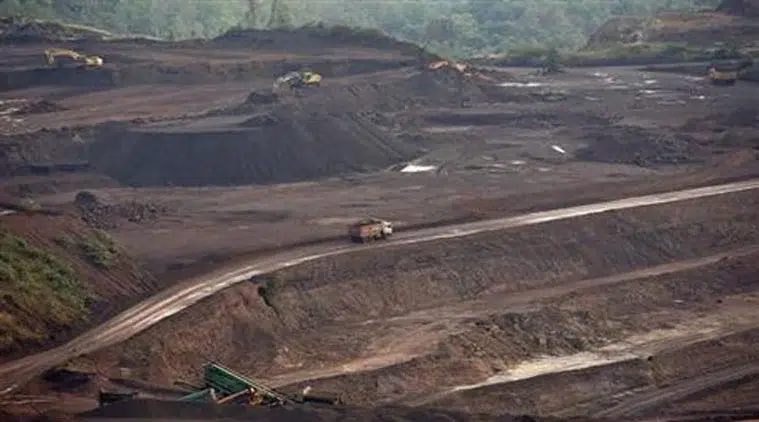
The Maharashtra government has greenlit a major infrastructure push in eastern Vidarbha with approval for an 85.76‑km four‑lane mineral highway connecting Navegaon Mor to Surjagad in Gadchiroli district, a move poised to reshape regional connectivity and economic prospects in one of the state’s historically underinvested areas. The decision, taken by the Cabinet Infrastructure Committee, signals a strategic shift towards integrating infrastructure with resource logistics and inclusive regional development.
The Gadchiroli Mineral Highway project aims to provide a durable, cement‑concrete road to streamline the movement of mineral freight, notably iron ore from mines around Surjagad, to broader state and national markets. By anchoring logistical efficiency in a district where road conditions have long constrained economic activity and emergency services access, the project is expected to reduce transport costs and travel times while opening opportunities for local enterprise growth. For urban and economic planners, the highway is more than a transport link: it is an enabling infrastructure that could catalyse ancillary development. Gadchiroli, with significant iron ore reserves and expanding industrial interest — including plans for integrated steel manufacturing — has the potential to benefit from improved connectivity that supports both heavy freight and mobility for local communities. Analysts suggest that enhanced infrastructure can attract investment, bolster job creation and support tribal and rural livelihoods that have remained economically peripheral.
However, the highway’s development must navigate complex socio‑environmental dynamics. Gadchiroli lies in a region where infrastructure expansion overlaps with sensitive ecological zones and historically challenging security terrain. Sustained declines in insurgent activity have improved access for civil administration, yet policymakers and planners stress that road construction must be accompanied by environmental safeguards and community engagement to ensure infrastructure does not exacerbate ecological stress or marginalise vulnerable groups. Officials have outlined a three‑year completion target post‑land acquisition, incorporating incentive‑penalty frameworks to maintain schedule discipline. The inclusion of provisions for future energy infrastructure, such as utility corridors alongside the highway, demonstrates a long‑term view towards integrated planning, anticipating demand for industrial power and possibly clean energy links across the region.
Beyond Gadchiroli, the cabinet cleared other projects including a new metro link between Mumbai and Navi Mumbai airports and expanded ring roads around Nashik — reflecting a broader state strategy to balance metropolitan transport needs with rural and resource‑driven infrastructure.
Meeting planners caution that translating approvals into inclusive economic outcomes will require vigilant project governance, transparent land acquisition practices and partnerships with local stakeholders. If implemented thoughtfully, the mineral highway could anchor a more equitable growth trajectory for Vidarbha, improving access to markets, healthcare and services while reinforcing Maharashtra’s infrastructure network in a way that supports climate‑resilient, people‑centric development.