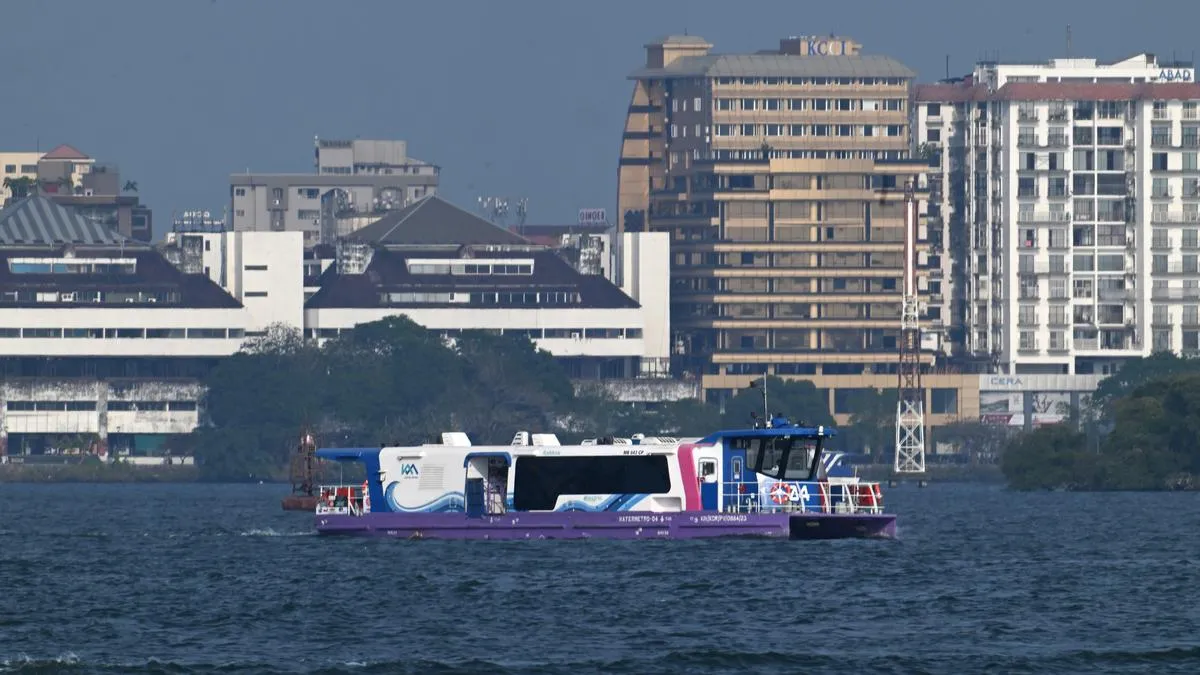
Maharashtra has intensified its maritime infrastructure ambitions with instructions to fast-track an all-electric Water Metro for Mumbai and advance plans for what is expected to be the country’s largest shipyard by 2026. The directives, issued during a high-level review of the state’s port development strategy in Nagpur, signal a push towards cleaner mobility systems and stronger coastal-led economic growth.
According to senior officials present at the meeting, the Water Metro proposal aims to reorganise Mumbai’s fragmented water transport services into a modern, high-capacity network capable of easing road congestion and supporting low-carbon mobility goals. The system, they said, is being designed to exceed the scale and technology benchmarks set by Kochi’s Water Metro, currently India’s most advanced urban water transport system. A detailed project report under preparation outlines a network of 21 terminals and an extensive 200-nautical-mile route matrix across the Mumbai Metropolitan Region. Officials noted that demand for structured services is evident, with nearly 1.80 crore passengers already using water routes annually, including 1.60 crore commuters on intra-Mumbai connections. The proposed electric fleet is expected to reduce emissions, noise and fuel dependency, while hybrid vessels may operate in the initial phase before a full transition to electric propulsion.
Industry experts said the project aligns with global movements where coastal cities are turning to waterways to create efficient, inclusive and climate-resilient mobility systems. They added that electrified water transport can offer safer and more gender-sensitive commuting options when integrated with last-mile facilities and secure terminals. Beyond mobility, the state is preparing for long-term maritime expansion, especially around the under-construction Vadhavan port. Officials were directed to expedite the search for a suitable location for a new shipyard, which is intended to become the country’s largest by 2026. The shipyard is expected to create high-skilled employment opportunities and strengthen India’s shipbuilding capabilities, which remain underleveraged compared with other coastal economies.
Connectivity emerged as another priority in the review. Departments have been instructed to begin land acquisition for the Kolhapur–Vaibhavwadi railway line, viewed as a critical catalyst for enhancing cargo movement across ports such as Jaigad, Angre, Redi and Vijaywada. Officials emphasised the need for coordinated funding to ensure timely completion, noting the project’s potential to unlock industrial growth in coastal districts. The review also covered the upcoming Vadhavan–Nashik highway being developed by the state road corporation. Authorities were asked to plan the corridor carefully, with attention to rehabilitation needs as well as opportunities for sustainable industrial clusters. Proposals for a joint venture between the industries agency and the ports department, along with a dedicated planning authority for the Vadhavan region, reflect efforts to manage growth responsibly, balancing economic gains with environmental safeguards.
As Maharashtra expands its maritime footprint, the emphasis on electric mobility, integrated logistics and climate-aligned development signals a shift towards a more sustainable coastal economy capable of serving both residents and future industries.
Maharashtra Advances Electric Mumbai Water Metro As State Targets Largest Shipyard By 2026