Maharashtra Adachiwadi Village Redefines Rural Infrastructure
A small village in Maharashtra is drawing national attention for demonstrating how community-led planning and basic infrastructure upgrades can transform rural living into a model for future-ready development. Adachiwadi, located about 60 km from Pune, has emerged as a benchmark for smart village development, combining cleanliness, technology, and social cohesion.
The village has introduced facilities typically associated with urban centres, including water ATMs, CCTV-enabled streets, a community gym, and digital learning spaces. These interventions have been implemented alongside strong local participation, ensuring that infrastructure is not only built but also maintained collectively. A defining feature of Adachiwadi’s transformation is its emphasis on sanitation and civic responsibility. Residents actively participate in daily cleaning routines, with streets kept consistently litter-free. This behavioural shift, supported by awareness initiatives and visual messaging across public spaces, has helped institutionalise cleanliness as a shared responsibility rather than a one-time intervention.
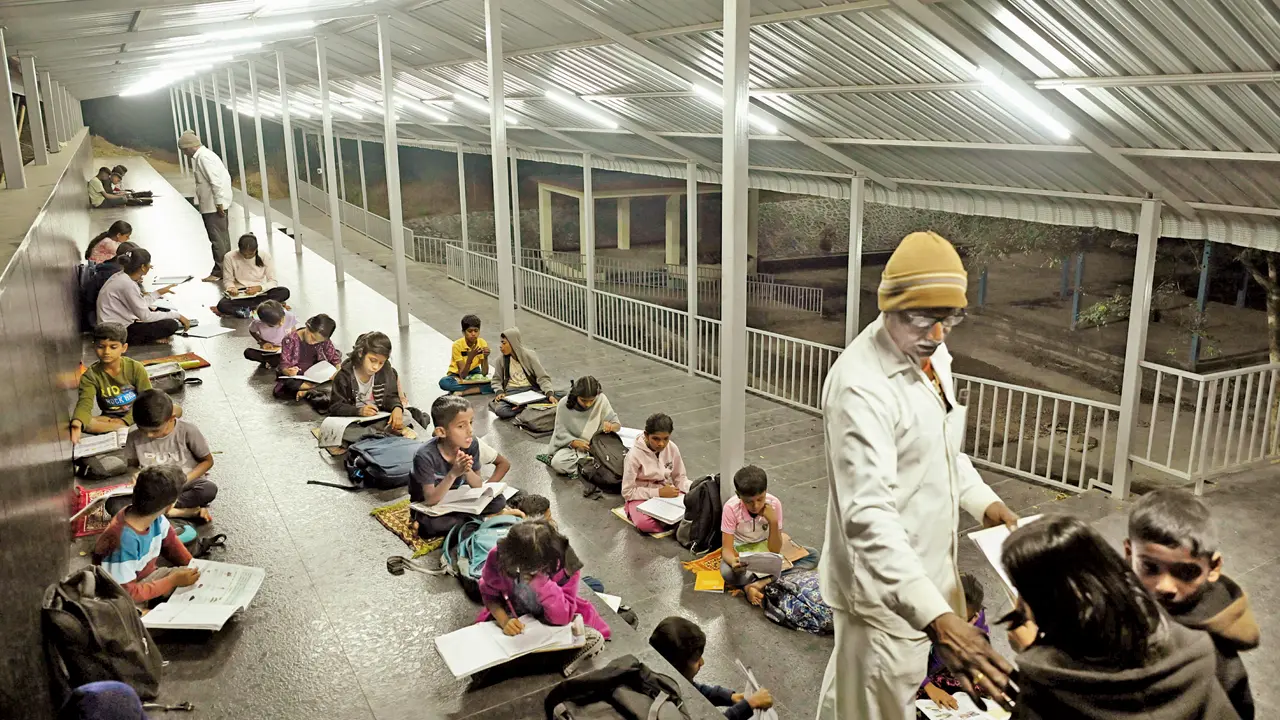
The introduction of water ATMs has improved access to safe drinking water, while also promoting efficient usage through metered systems. Such decentralised solutions are increasingly relevant in regions facing water stress, offering scalable alternatives to traditional supply models. Equally significant is the village’s focus on education and social infrastructure. Smart classrooms and structured evening study sessions have been integrated into the local ecosystem, improving learning outcomes without requiring large-scale institutional expansion. This reflects a broader shift towards distributed, community-based education models in rural India. Urban planners and development experts see Adachiwadi as an example of how smart village development can reduce migration pressures on cities. By improving quality of life in rural areas—through infrastructure, services, and social systems—villages can retain populations while supporting local economic activity. This has implications for balanced regional growth and reduced strain on urban infrastructure.
The village’s approach also highlights the importance of governance at the grassroots level. Rather than relying solely on external funding, its progress has been driven by collective decision-making and local accountability. This model of participatory development is increasingly being recognised as critical for long-term sustainability.From a climate and resource perspective, the integration of efficient water systems, reduced waste, and compact infrastructure aligns with broader goals of low-impact development. While modest in scale, such interventions contribute to building resilience against environmental and economic shocks.The visibility Adachiwadi is gaining may encourage replication across other regions, particularly in states seeking to modernise rural settlements without replicating the high-resource footprint of cities. The challenge will lie in adapting the model to different socio-economic contexts while preserving its core principle—community ownership.
As India navigates rapid urbanisation, the lessons from Adachiwadi suggest that the future of development may not lie solely in expanding cities, but in strengthening villages as viable, sustainable, and aspirational places to live.