Maharashtra Accounts For Ten Percent Of India’s Respiratory Illnesses
A new health analysis reveals that Maharashtra carries a disproportionate share of India’s chronic respiratory disease (CRD) burden, underscoring deep public health challenges tied to environmental and lifestyle risk factors in the state’s rapidly growing urban and peri-urban regions. The study, based on **Global Burden of Disease (GBD) data and independent research by a Pune-based foundation, found that around 67 lakh people in the state were living with chronic respiratory conditions in 2023, representing approximately 10 per cent of India’s total CRD cases.
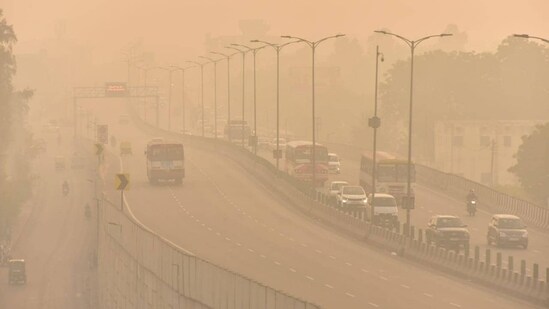
Chronic respiratory diseases — chiefly asthma and chronic obstructive pulmonary disease (COPD) — are longstanding contributors to morbidity and disability worldwide, and India’s burden is among the highest globally. The analysis attributes nearly 11 per cent of India’s COPD cases and 8.3 per cent of its asthma cases to Maharashtra, where decades of urbanisation, industrial activity and transport emissions have exacerbated risk exposures.Public health researchers frame these findings against the backdrop of intensifying air quality concerns in Maharashtra’s major cities, including Mumbai and Pune, where particulate pollution levels frequently exceed national standards. Expanded construction activity, increased vehicle numbers and diesel-dominant freight contribute to air pollution that penetrates deep into lungs, intensifying chronic conditions and fuelling repeated exacerbations among vulnerable groups such as the elderly and children.
The study also highlights the disability impact of respiratory illness: Maharashtra is estimated to have lost 34 lakh disability-adjusted life years (DALYs) due to CRDs in 2023. DALYs combine years of life lost due to premature death with years lived in disabling health states, offering a broad measure of societal health loss. High DALYs reflect both the severity of disease and gaps in early detection, care access and preventive measures.Risk factors identified in the research span ambient air pollution, household air pollution — including biomass and indoor smoke exposure — and tobacco use. Urban epidemiologists note that crowded housing, fluctuating compliance with emissions norms and incomplete uptake of cleaner cooking fuels amplify exposure disparities, especially among low-income and marginalised communities where health services are less accessible.
Policy analysts emphasise that Maharashtra’s contribution to the national burden is not merely a statistical artefact of its population size — though it is India’s second-most populous state — but reflects persistent challenges in aligning rapid economic growth with environmental health safeguards. Regulatory oversight of industrial emissions, vehicular pollution control, and urban greening have improved incrementally, yet CRD trends suggest that these measures have not kept pace with structural risk drivers.Clinicians and community health advocates stress the importance of strengthening primary healthcare capacity for early screening and continuous management of respiratory illnesses. Spirometry — a key diagnostic tool — remains under-utilised at the primary care level, limiting timely identification of COPD and other obstructive lung diseases and delaying interventions that could prevent severe disease progression.
The findings arrive amid broader conversations on air quality and public health across India, where respiratory illnesses contribute significantly to disease burden and mortality. National health policy analysts have linked poor air quality to millions of premature deaths and chronic health loss, reinforcing calls for integrated strategies that marry urban planning, transport reform and emission reductions with robust healthcare delivery.As Maharashtra charts its next phase of urban and industrial growth, these insights highlight the need for multisectoral responses — from strengthening clean air action plans to expanding community-level healthcare support — to diminish respiratory disease burdens and enhance urban resilience.