Mahagenco Coal Transport Upgrade Signals Cleaner Logistics
A major upgrade in coal logistics by Maharashtra State Power Generation Company Limited is signalling a shift towards cleaner and more efficient fuel transport systems in India’s power sector. The adoption of a closed pipe conveyor network marks a transition away from conventional road-based coal movement, with implications for both environmental performance and operational efficiency.
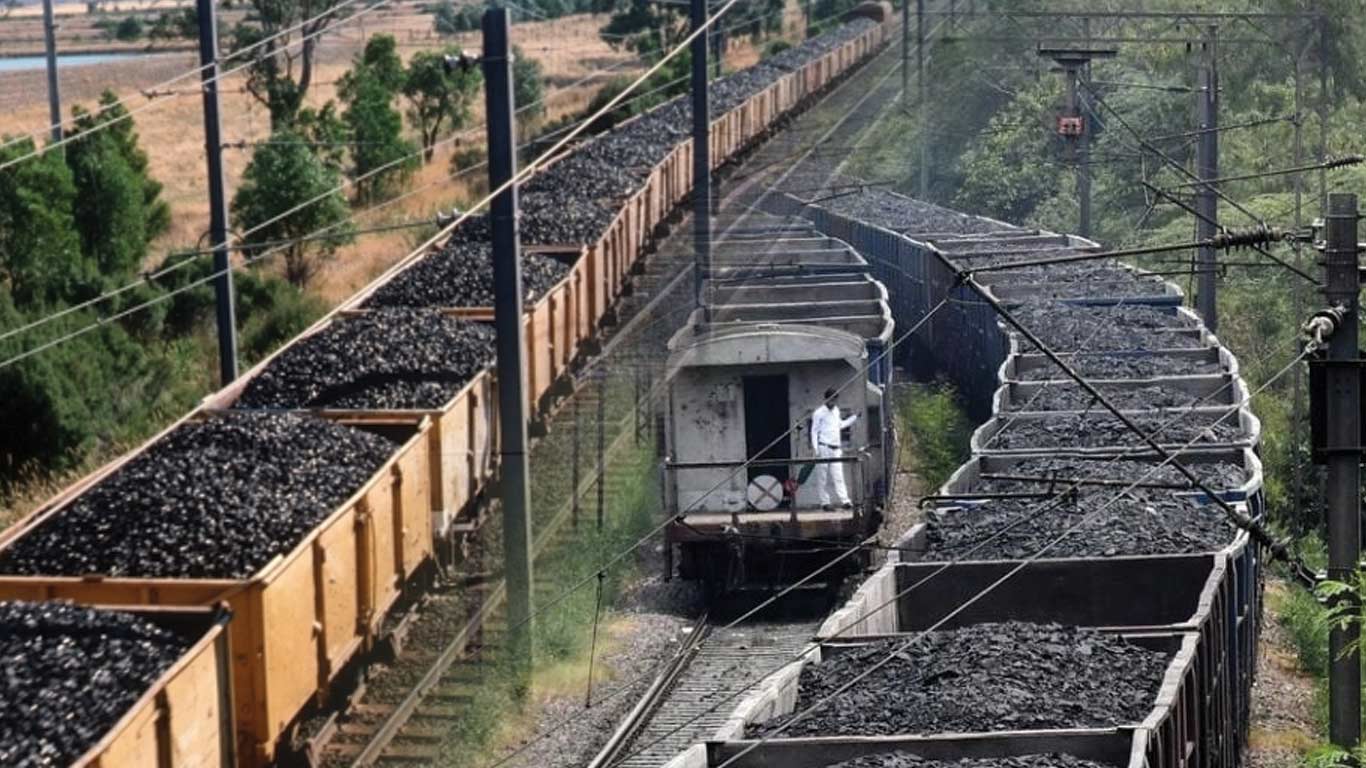
The system is designed to transport coal through a fully enclosed pipeline over long distances, directly connecting mines to thermal power plants. In projects of this nature, conveyor networks can span over 16 kilometres and handle capacities exceeding 7 million tonnes per annum, ensuring continuous and high-volume material flow. Unlike traditional transport methods such as trucks or open rail wagons, closed pipe conveyors prevent coal spillage and significantly reduce dust emissions. This is particularly relevant for regions surrounding thermal power plants, where air pollution and material loss have long been associated with coal handling and logistics. By containing the material within a sealed system, the technology minimises environmental exposure and improves safety standards.From an operational standpoint, the shift offers multiple efficiencies. Conveyor-based transport enables uninterrupted, automated movement of coal, reducing dependency on road traffic and lowering transit delays. It also cuts handling costs over time, as continuous systems require less manual intervention compared to conventional loading and unloading processes.
Industry experts highlight that such systems are increasingly being adopted globally due to their cost-effectiveness and environmental benefits. Conveyor-based logistics reduce greenhouse gas emissions by eliminating diesel-powered trucking over short to medium distances, while also offering higher reliability in challenging terrains. For India’s power sector, the implications are significant. Coal remains the primary fuel for electricity generation, and improving its transport efficiency directly impacts plant performance and energy reliability. By modernising coal logistics, utilities like Mahagenco can ensure more consistent fuel supply, reducing the risk of disruptions that affect power generation.The development also aligns with broader policy efforts to optimise coal supply chains. As demand for electricity continues to grow alongside urbanisation and industrial activity, efficient logistics systems are becoming critical to maintaining stable energy output. Modern transport infrastructure not only supports higher throughput but also reduces the overall cost of power production.From an urban and environmental perspective, the transition to enclosed conveyor systems represents a step towards cleaner industrial operations. Reduced dust pollution improves air quality in surrounding communities, while lower fuel consumption contributes to climate goals. These benefits are particularly important as cities expand closer to industrial zones and power generation hubs.
Looking ahead, the adoption of closed pipe conveyor networks could reshape coal logistics across India. As more utilities invest in similar systems, the sector may gradually move towards standardised, low-impact transport solutions that balance efficiency with environmental responsibility.For the energy ecosystem, this shift underscores a broader transition—where even traditional sectors like coal are being re-engineered to meet the demands of a cleaner, more resilient future.